


Bhutan’s Existing QR Network Opens the Door to USDT Payments
Binance Pay connects to Bhutan’s DK Bank QR network, letting customers spend USDT at more than 3,700 merchants with automatic conversion.
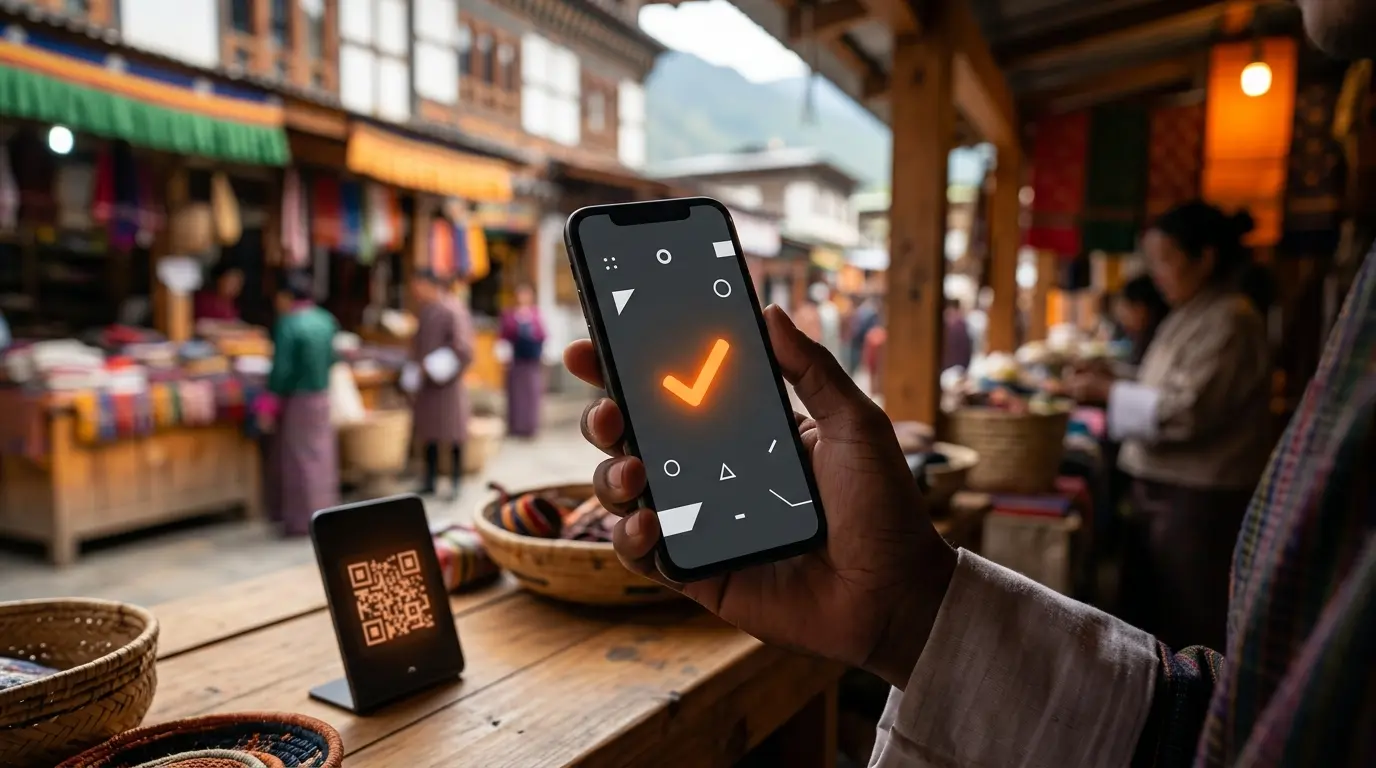
Binance Pay is now available at more than 3,700 merchants across Bhutan through an integration with DK Bank’s domestic QR payment network. Travelers and local customers can scan existing merchant QR codes and settle transactions in USDT through automatic currency conversion.
DK Bank QR Network Becomes the Rail for Crypto Spending
Customers open the Binance app, scan a merchant’s existing DK Bank QR code, and enter the purchase amount in Bhutanese ngultrum (BTN). They then confirm the transaction in the app, while automatic currency conversion handles settlement in USDT, Tether’s dollar-pegged stablecoin.
The arrangement integrates Binance Pay into DK Bank’s existing payment infrastructure without requiring participating businesses to replace their QR codes. Eligible transactions include travel, accommodation, dining, and retail purchases where a DK Bank domestic QR code is accepted.
Binance said customers will pay no additional fees and receive a competitive exchange rate during a promotional period running through December 31. The announcement does not identify the provider of the exchange rate or explain how conversion spreads are calculated.
Building on a 2025 Tourism Launch
The expansion follows an initial nationwide tourism-payment launch in May 2025 that began with more than 100 participating merchants. The current integration extends the service to more than 3,700 merchants across Bhutan.
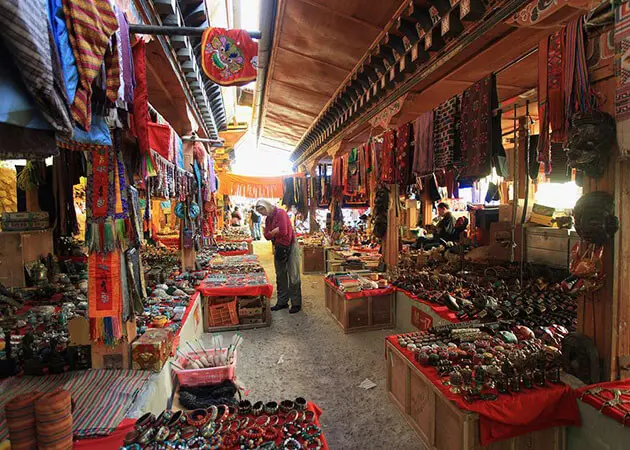
Binance Pay’s global merchant network surpassed 21 million in March, according to Binance. The company has also said its local QR network integrations processed $40 million in their first year of operation. Bhutan’s rollout applies that local-QR model by connecting crypto balances with payment codes merchants already use.
Executives Describe a Tourism-Market Model
SB Seker, Head of APAC at Binance, described the integration as a model for other tourism-dependent markets. He said the connection to Bhutan’s domestic QR network demonstrates how crypto adoption can build on payment infrastructure that people already trust.
Ugyen Tenzin, Country CEO at DK Bank for Bhutan and Gelephu Mindfulness City, said the partnership with Binance brings crypto-payment options to Bhutan’s merchants and visitors while retaining the payment infrastructure already in use. He added that the initiative supports Bhutan’s focus on innovation and modern payment options for visitors.
Binance’s Other Local QR Deployments
Bhutan is part of Binance’s broader effort to connect crypto payments with established domestic QR networks. The company introduced a comparable QR-payment connection in Argentina in October 2025, allowing users to scan merchant codes through the Binance app while conversion occurs in the background.
Binance said in May that it intends to expand the local-QR model to at least 10 countries by Q3 2026. The approach connects crypto balances to domestic payment infrastructure already used by merchants rather than requiring separate crypto-specific payment systems.
Stablecoin Settlement Considerations
USDT is designed to track the U.S. dollar across supported blockchain networks. Using a dollar-pegged asset provides a consistent settlement currency after customers enter prices in local currency.
Stablecoin stability depends on reserves, redemption arrangements, market liquidity, and trust in the issuer. Those considerations remain relevant whenever stablecoins are used for payment settlement.
Bhutan has also linked DK Bank to broader digital-asset initiatives through Gelephu Mindfulness City, where a financial-services licensing framework includes bank-account requirements. The QR integration extends that digital-finance strategy into everyday tourism and retail payments.

Expansion Target
The Bhutan rollout adds to Binance’s stated plan to take its local-QR payment model to at least 10 countries by the third quarter of 2026. The promotional fee waiver in Bhutan is scheduled to run through December 31.