


Best Crypto to Stake for Passive Income: Guide 2026, Top Coins & How It Works
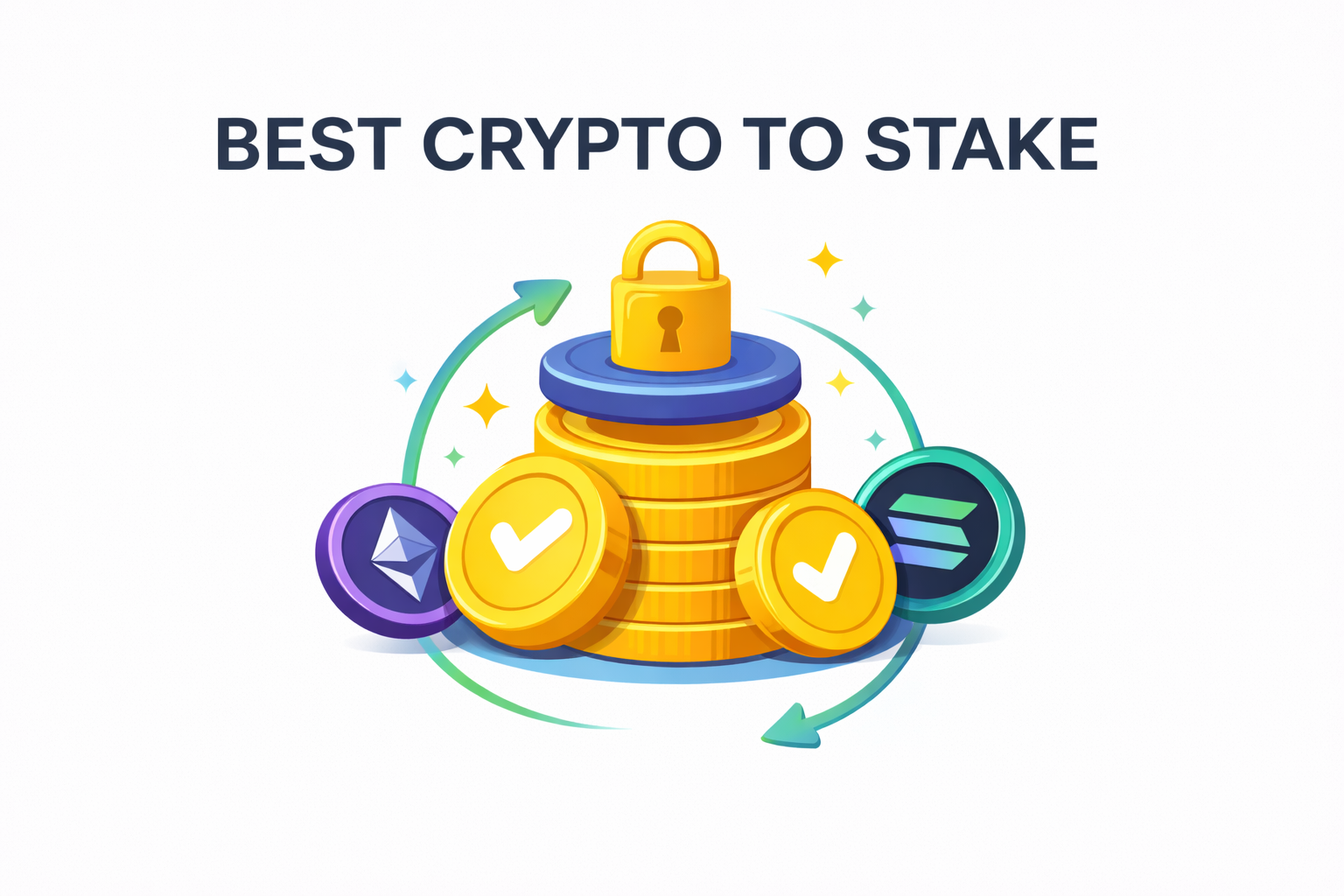
Crypto staking lets you put your idle coins to work. You lock tokens in a blockchain network, help validate transactions, and receive rewards in return.
It works much like a savings account, except the annual yields can reach anywhere from 2% to over 20%, depending on the coin and staking platform you choose. More than $50 billion in crypto assets are currently staked across proof-of-stake networks, and major platforms like Coinbase and Kraken continue to expand their institutional staking services.
You’ll learn which coins are the best crypto for staking in 2026, how the process actually works, and what risks you need to watch for. The article covers centralized exchanges like Binance and decentralized platforms like Lido, so you can choose the approach that fits your needs.
▪️Staking rewards range from 2% to 22% APY across different networks, but higher yields often come with longer lock-up periods and slashing penalties that can eat into your principal.
▪️Cosmos (ATOM) leads with 16% APY among established networks, while USDT offers stable returns between 2% and 10% without price volatility risk.
▪️Lock-up periods vary from zero days on Tezos to 28 days on Polkadot, which can trap your funds during market crashes and prevent you from exiting positions when prices drop.
▪️Platform failures like FTX, Celsius, and BlockFi proved that centralized staking adds counterparty risk, while DeFi protocols expose you to smart contract vulnerabilities despite higher yields.
▪️Tax obligations apply in most jurisdictions since staking rewards count as ordinary income at receipt, and you owe capital gains tax when you sell appreciated rewards later.
Overview: What Is Crypto Staking?
Staking means you deposit crypto into a Proof-of-Stake blockchain to help secure the network. These blockchains choose validators based on the number of tokens they commit. A larger stake increases the likelihood of validating transactions and earning rewards.
You earn from two sources: newly minted coins and transaction fees. Your staked tokens support validators who process transactions and maintain the blockchain’s integrity.
The value is simple. You already hold coins, so staking turns idle assets into income generators. If the blockchain grows, your staked tokens appreciate alongside your staking rewards.
How Crypto Staking Works
💡 You hold 1,000 ATOM tokens worth approximately $3,200. Instead of leaving them idle, you delegate these tokens to a Cosmos validator through a wallet like Keplr. The validator bundles your stake with others and participates in block production.
💡 Each time the validator successfully proposes or validates a block, rewards flow to the pool. You receive your share based on your stake size, minus the validator’s commission of 5% to 15%. Cosmos distributes staking rewards roughly every 6 seconds.
💡 At a 16% APY, your 1,000 ATOM would generate approximately 160 ATOM over a year. That equals around $512 in passive income at current prices.
💡 When you unstake, you trigger an unbonding period of 21 days for Cosmos. Your tokens remain locked during this time and stop earning rewards.
Best Crypto to Stake in 2026: Coinnews Ranking
After reviewing market data, staking yields, lock-up requirements, and risk profiles, we selected these coins as the best options for staking in 2026.
| 🪙Coin | 📌 Overview | ✅ Why It’s Good for Staking | ❌ Risks |
|---|---|---|---|
| BNB (BNB) | Powers the BNB Chain and supports DeFi, NFTs, and on-chain apps tied to Binance. | Offers flexible staking with low entry points | Lower yields and partial centralization |
| TRON (TRX) | Runs a high-volume network focused on fast and cheap stablecoin transfers. | Pays steady rewards from strong on-chain activity | Validator control remains concentrated |
| Cosmos (ATOM) | Secures the Cosmos Hub and connects multiple blockchains through IBC. | Delivers high yields among large PoS networks | Long unbonding limits liquidity |
| Tether (USDT) | Maintains a dollar peg and earns yield through lending platforms. | Avoids price swings while generating yield | Exposes users to platform and regulatory risk |
| Avalanche (AVAX) | Provides fast finality and custom subnets for DeFi and gaming use cases. | Avoids slashing risk for delegators | Architecture adds complexity |
| Tezos (XTZ) | Uses on-chain governance and allows delegation without lock-ups. | Keeps funds liquid with no minimum stake | Validator choice affects outcomes |
| NEAR Protocol (NEAR) | Uses sharding to scale while keeping staking simple and accessible. | Compounds rewards automatically with fast exits | Smaller ecosystem than major rivals |
| Aptos (APT) | Uses the Move language to support secure and parallel transactions. | Shows strong network participation and frequent rewards | Unstaking time varies |
| Sui (SUI) | Executes transactions in parallel with an object-based design. | Allows fast unstaking with no minimum | Lower returns and shorter history |
| Algorand (ALGO) | Uses Pure Proof-of-Stake with instant finality and real-time rewards. | Removes lock-ups and slashing concerns | High entry barrier for direct staking |
Before the Exchanges: Presale Tokens with Built-In Staking
Presale tokens frequently launch with staking programs at their Token Generation Event. Early participants can lock tokens immediately after launch to earn rewards while projects build liquidity and community commitment.
🎯Bitcoin Hyper (HYPER) connects Bitcoin’s brand power with institutional DeFi infrastructure. The project offers retail investors high-yield staking at the TGE while pursuing traditional finance partnerships. HYPER plans cross-chain bridges that link Bitcoin liquidity to multiple DeFi ecosystems.
- APY/ROI: 38%
🎯MaxiDoge (MAXI) hands control to token holders through on-chain governance from day one. Stakers vote on validators and protocol changes while they earn tiered rewards based on lock-up duration. The community decides treasury allocation through direct proposals.
- APY/ROI: 68%
🎯BMIC Token (BMIC) pays stakers who secure quantum-resistant wallet infrastructure and keep network reliability intact. Institutions and service nodes stake BMIC to strengthen the security layer, and ecosystem revenue funds deflationary buybacks and burns. Out of 1.5 billion tokens, 50% go to presale buyers with full unlock at TGE.
- APY/ROI: N/A
🎯LiquidChain (LIQUID) removes unbonding periods through liquid staking derivatives at launch. You stake LIQUID and receive tradeable tokens immediately, then deploy them across integrated DeFi platforms. The protocol secures the network while staked positions earn additional yield through loans and liquidity pools.
- APY/ROI: 1973%
🎯SUBBD Token (SUBBD) grants locked holders premium access to AI creator tools, which include image generation and automated content production. Token lockers pay reduced subscription fees and unlock exclusive platform features unavailable to regular users.
- APY/ROI: 20%
🎯Little Pepe (LILPEPE) distributes Layer-2 transaction fees directly to stakers who secure the meme-focused network through validation. Participants collect revenue from every swap and launch that occurs on-chain without inflationary emissions.
- APY/ROI: TBA
🎯 VFX Token (VFX) stakers earn real yield from Vortex FX’s licensed forex trading operations, with rewards funded by actual trading rebates across forex, gold, and crypto markets. Staking APY ranges from 15% to 67.7% based on lock duration, and holders gain access to no-KYC Visa and Mastercard payment cards.
- APY/ROI: Up to 67.7%
🎯AgoraLend (AGORA) stakers collect their cut from protocol revenue that comes from borrowing interest, liquidation penalties, and flash loan fees. Depositors receive dTokens that accrue yield automatically based on pool utilization rates, and 40% of protocol revenue goes toward AGORA buybacks and burns.
- APY/ROI: N/A
🎯Pumpd (PUMPD) stakers unlock AI trading tools, launchpad allocation rights, and surprise rewards during random Pumpd Days. Each staker’s activity directly drives daily price movements through the stake-to-pump index, and secret bonus events trigger 2x and 3x staking multipliers at random intervals.
- APY/ROI: TBA
1. BNB (BNB) –Built for Binance’s Blockchain Empire
BNB powers the BNB Chain, which supports one of crypto’s most extensive ecosystems. When you stake BNB, you secure a network that hosts thousands of DeFi protocols, NFT platforms, and Web3 applications.
The chain runs on Delegated Proof-of-Stake with a 7-day withdrawal period for direct validator delegation. You need at least 1 BNB to stake on-chain, though Binance’s internal products accept smaller amounts and offer more flexible terms.
| 💸 Current Price | BNB live price |
| 📈 Market Cap | $105B |
| 🔍 Where to Stake | Binance, KuCoin, Trust Wallet, Ankr |
| 📌 Why It Made Our List | Deep ecosystem integration, multiple staking options |
| 🎁 Expected Rewards | 1% – 7% APY |
| 🔒 Lock-up Period | Flexible to 120 days |
| 💡 Best For | Traders who use Binance services |
| ✅ Pros: | • Strong ecosystem utility • Flexible staking options • No slashing risk on BNB Chain |
| ❌ Cons: | • Lower APY compared to other chains • Centralized elements in network governance • Regulatory uncertainty in some jurisdictions |
Resources
Website | Explorer | Official X / Telegram
2. TRON (TRX) – Stablecoin Highway with Steady Yields
TRON handles more USDT transfers than any competing blockchain. This massive transaction volume generates substantial fees that flow directly to TRX stakers as rewards.
You vote for Super Representatives who produce blocks under the Delegated Proof-of-Stake model. The network distributes payments every 6 hours. Specialized platforms like Tronsave combine staking with energy-lending mechanisms to boost returns above 20% APY.
| 💸 Current Price | TRX live price |
| 📈 Market Cap | $26.85B |
| 🔍 Where to Stake | TronScan, Kraken, Binance, TronLink |
| 📌 Why It Made Our List | High network activity, solid APY, no slashing |
| 🎁 Expected Rewards | 3% – 7% APY |
| 🔒 Lock-up Period | None to 14 days |
| 💡 Best For | Users who seek a steady yield with liquidity |
| ✅ Pros: | • Massive network activity • No slashing penalties • Established DeFi ecosystem |
| ❌ Cons: | • Centralized governance concerns • Reward rates vary by Super Representative • Limited smart contract innovation |
Resources
Website | Whitepaper | Explorer | Official X / Telegram
3. Cosmos (ATOM) – The Original Blockchain Interoperability Hub

Cosmos created the Inter-Blockchain Communication protocol that links over 250 independent chains. ATOM secures the Cosmos Hub, which coordinates this interconnected network of blockchains.
More than 180 validators accept delegations on the Hub. Network inflation fluctuates between 7% and 20% based on how many tokens participants stake. With current participation above 65%, yields settle around 16% APY before validator fees.
| 💸 Current Price | ATOM live price |
| 📈 Market Cap | $982M |
| 🔍 Where to Stake | Keplr, Kraken, Coinbase, Ledger Live |
| 📌 Why It Made Our List | Highest APY among major PoS coins, strong governance |
| 🎁 Expected Rewards | 14% – 22% APY |
| 🔒 Lock-up Period | 21 days |
| 💡Best For | Yield-focused investors with medium-term horizons |
| ✅ Pros: | • Industry-leading APY • Robust validator ecosystem • Auto-compounding available through Restake |
| ❌ Cons: | • 21-day unbonding creates liquidity risk • Slashing is possible for double-signing • Complex IBC mechanics |
Resources
Website | Whitepaper | Explorer | Official X / Telegram
4. Tether (USDT) – Low Volatility with Predictable Returns

USDT operates differently since it’s a stablecoin rather than a proof-of-stake asset. You generate yield by supplying USDT to lending markets where borrowers pay interest for access to liquidity.
Returns vary with market demand for leverage. Volatile periods drive yields higher as traders compete for borrowing capacity. DeFi protocols like Aave and Compound provide transparent on-chain lending, while centralized platforms offer convenience with additional custody considerations.
| 💸 Current Price | USDT live price |
| 📈 Market Cap | $185.2B |
| 🔍 Where to Stake | Binance, Kraken, Aave, Compound, Yearn |
| 📌 Why It Made Our List | Eliminates price volatility risk, accessible yield |
| 🎁 Expected Rewards | 2% – 10% APY |
| 🔒 Lock-up Period | Flexible up to 12 months |
| 💡 Best For | Risk-averse investors seeking stable income |
| ✅ Pros: | • No price volatility on principal • Familiar dollar-pegged value • Many platform options |
| ❌ Cons: | • Yields fluctuate with market conditions • Smart contract risks on DeFi • Tether has faced regulatory scrutiny |
Resources
Website | Whitepaper | Explorer | Official X / Telegram
5. Avalanche (AVAX) – Instant Finality Without Slashing Risk
Avalanche achieves near-instant transaction finality and lets developers launch customized subnet blockchains. This architecture attracts institutional projects and performance-intensive applications like gaming.
You need 25 AVAX to delegate or 2,000 AVAX to operate your own validator. The network eliminates slashing entirely. When validators experience downtime, you simply stop earning until they recover rather than lose principal.
| 💸 Current Price | AVAX live price |
| 📈 Market Cap | $4.34B |
| 🔍 Where to Stake | Core Wallet, Binance, Kraken, Coinbase |
| 📌 Why It Made Our List | No slashing, institutional adoption, fast unstaking |
| 🎁 Expected Rewards | 5% – 8% APY |
| 🔒 Lock-up Period | Minimum 14 days |
| 💡 Best For | Investors seeking balanced risk-reward |
| ✅ Pros: | • No slashing risk, fast finality • Growing subnet ecosystem • Reasonable minimums for delegation |
| ❌ Cons: | • Higher minimum stake for validators • Moderate APY compared to alternatives • Complex three-chain structure |
Resources
Website | Whitepaper | Explorer | Official X / Telegram
6. Tezos (XTZ) – Protocol That Supports Automatic Upgrades
Tezos pioneered self-amendment through on-chain voting that upgrades the protocol without splitting the community. The recent Paris upgrade introduced enhanced participation options besides traditional delegation.
You can stake any amount while your tokens remain liquid. The new staker role delivers triple the rewards compared to standard delegation. Bakers who validate blocks need 6,000 XTZ minimum and automatically distribute earnings to their delegators.
| 💸 Current Price | XTZ live price |
| 📈 Market Cap | $522M |
| 🔍 Where to Stake | Temple Wallet, Ledger, Kraken, Binance.US |
| 📌 Why It Made Our List | No minimum, no lock-up, liquid staking |
| 🎁 Expected Rewards | 5% – 16% APY |
| 🔒 Lock-up Period | None |
| 💡 Best For | Beginners seeking flexibility |
| ✅ Pros: | • No minimum stake • No lock-up period • Self-custodial friendly |
| ❌ Cons: | • Complex baker selection • Lower market cap limits liquidity • Slashing is now possible for stakers |
Resources
Website | Whitepaper | Explorer | Official X / Telegram
7. NEAR Protocol (NEAR) – Sharded Network Optimized for Developer Use

NEAR prioritizes developer accessibility through familiar programming tools and intuitive account systems. The network achieves scale through sharding while it maintains decentralization across validators.
Rewards compound automatically every 12 hours when each epoch completes. You face no minimum requirement to participate, and the brief withdrawal period preserves capital flexibility. Validators risk slashing for attacks, but this penalty doesn’t affect delegators.
| 💸 Current Price | NEAR protocol |
| 📈 Market Cap | $1.95B |
| 🔍 Where to Stake | NEAR Wallet, Ledger, Binance |
| 📌 Why It Made Our List | Strong developer tools, auto-compounding rewards |
| 🎁 Expected Rewards | 5% – 11% APY |
| 🔒 Lock-up Period | 2 – 4 days |
| 💡 Best For | Tech-savvy investors eyeing ecosystem growth |
| ✅ Pros: | • Auto-compounding • Short unbonding • Strong developer ecosystem |
| ❌ Cons: | • Slashing exists at the protocol level • Validator selection matters • Smaller DeFi ecosystem than competitors |
Resources
Website | Whitepaper | Explorer | Official X / Telegram
8. Aptos (APT) – Meta’s Blockchain Legacy

Aptos evolved from the technology Meta developed for its abandoned Diem cryptocurrency project. The network employs the Move programming language, which prioritizes asset safety and processes transactions in parallel.
You need 11 APT minimum to delegate, and the network operates on 2-hour reward cycles. Over 93% of the circulating supply currently participates in staking. The protocol hasn’t activated slashing yet, though governance may introduce it later.
| 💸 Current Price | APT live price |
| 📈 Market Cap | $969M |
| 🔍 Where to Stake | Petra Wallet, Binance, OKX, Bitget |
| 📌 Why It Made Our List | High staking participation, no slashing yet |
| 🎁 Expected Rewards | 6% – 7% APY |
| 🔒 Lock-up Period | 0 – 30 days |
| 💡 Best For | Early adopters of new-gen blockchains |
| ✅ Pros: | • No slashing implemented • High network participation • 2-hour reward epochs |
| ❌ Cons: | • Variable unstaking period up to 30 days • Relatively new network • Governance proposals may reduce rewards |
Resources
Website | Whitepaper | Explorer | Official X / Telegram
9. Sui (SUI) – Object-Based Transaction Network

Sui shares origins with Aptos from the former Meta blockchain team, but pursued distinct technical innovations. The platform excels at parallel execution and uses object-centric programming models.
You can stake any amount with 24-hour epochs for reward distribution. The single-day withdrawal period ranks among the shortest available. More than 74% of the total supply currently participates across the validator set.
| 💸 Current Price | SUI live price |
| 📈 Market Cap | $4.36B |
| 🔍 Where to Stake | Sui Wallet, Binance, Kraken, OKX |
| 📌 Why It Made Our List | Low entry barrier, short epoch cycles |
| 🎁 Expected Rewards | 2% – 5% APY |
| 🔒 Lock-up Period | 24 hours |
| 💡 Best For | Investors seeking quick liquidity |
| ✅ Pros: | • No minimum stake • 24-hour unbonding • High-throughput chain |
| ❌ Cons: | • Lower APY than competitors • Slashing risk exists • Newer network with less track record |
Resources
Website | Whitepaper | Explorer | Official X
10. Algorand (ALGO) – Instant Finality With Zero Forks

Algorand employs Pure Proof-of-Stake, where the protocol randomly selects validators weighted by their stake. Transactions achieve immediate finality with zero chance of chain reorganization or rollbacks.
The network launched its current staking program with real-time reward distribution. Direct consensus participation requires 30,000 ALGO, but liquid staking protocols from Folks Finance and Tinyman accommodate smaller positions.
| 💸 Current Price | ALGO live price |
| 📈 Market Cap | $934M |
| 🔍 Where to Stake | Pera Wallet, Exodus, Ledger, Folks Finance |
| 📌 Why It Made Our List | No slashing, instant finality, real-time rewards |
| 🎁 Expected Rewards | 5% – 15% APY |
| 🔒 Lock-up Period | None |
| 💡 Best For | Security-conscious investors |
| ✅ Pros: | • No slashing and no lock-ups • Instant finality • Real-time rewards |
| ❌ Cons: | • High minimum for direct staking • Lower liquidity than top chains • Governance transition ongoing |
Resources
Website | Whitepaper | Explorer | Official X / Telegram
Best Staking Cryptos for Beginners
If you are new to staking, prioritize simplicity and safety over maximum yields. The coins below offer accessible entry points with minimal complexity.
🎯Ethereum (ETH) remains the gold standard. Major exchanges handle all technical requirements, and liquid staking through Lido lets you stake any amount while you maintain liquidity. You can expect APY between 3% and 5%.
🎯Cardano (ADA) requires no minimum stake and keeps your tokens liquid. You delegate directly from your wallet, and the network distributes rewards every 5 days. APY typically ranges from 2% to 4%.
🎯Solana (SOL) offers straightforward staking through Phantom wallet or exchanges. The network provides 5% to 8% APY, and you only wait around 2 days for unbonding.
🎯Polkadot (DOT) pays 10% to 15% APY for nomination staking. You face a longer 28-day unbonding period, but the rewards compensate for the lock-up time.
Best Staking Coins for High Rewards
High-APY coins attract investors who want maximum returns, but elevated yields come with increased risks.
The coins below offer some of the highest staking rewards available in 2026. Many high-yield stakers also watch the next crypto to explode to spot new projects with strong reward rates and growth potential.
🎯Injective (INJ) pays 12% to 16% APY through its Cosmos-based proof-of-stake network. You stake through the Keplr wallet or exchanges, and face a 21-day unbonding period with slashing penalties.
🎯Celestia (TIA) offers 9% to 12% APY as a modular blockchain network. You delegate tokens to validators and earn rewards every block. Expect a 21-day unbonding period.
🎯Kava (KAVA) delivers 9% to 11% APY through its hybrid architecture. You stake through Keplr or major exchanges, with liquid staking available through bKAVA tokens.
🎯Osmosis (OSMO) provides 2% to 15% APY depending on network conditions. The 14-day unbonding period is shorter than alternatives, and you can redelegate instantly between validators.
Types of Crypto Staking: Brief Comparison
Different staking methods suit different needs and risk tolerances. You need to understand the options before you commit your tokens.
Active vs. Passive Crypto Staking
📌Active staking means you run your own validator node. This requires technical knowledge, dedicated hardware, significant capital, and ongoing maintenance. In return, you earn full rewards without sharing with a third party.
📌Passive staking involves delegation to existing validators. You trade some rewards for convenience, since the validator handles all technical requirements.
PoS vs. Delegated Staking vs. Liquid Staking
📌Proof-of-Stake requires validators to lock massive capital. Ethereum needs 32 ETH minimum. Validators process blocks directly and bear full responsibility for uptime.
📌Delegated Staking lets token holders vote for validators by staking with them. Networks like Cosmos and TRON use this model. You share in validator rewards based on your stake size.
📌Liquid Staking issues derivative tokens that represent staked assets. Lido’s stETH, Marinade’s mSOL, and Rocket Pool’s rETH trade freely while the deposited tokens remain staked. This maintains liquidity but introduces smart contract risk.
Custodial and Noncustodial Staking
📌Custodial staking through exchanges like Binance means the platform controls your private keys. It offers simplicity and lower minimums but adds counterparty risk. If the exchange fails, you may lose funds.
📌Noncustodial staking keeps you in control. You delegate from your own wallet, and validators never access your tokens directly. Hardware wallets like Ledger support noncustodial staking for most major networks.
How to Stake Crypto in 4 Steps
The staking process takes minutes once you understand the basics. Follow this framework to choose the right coin, select a secure platform, delegate your tokens, and track your rewards.
Step 1: Choose a Coin
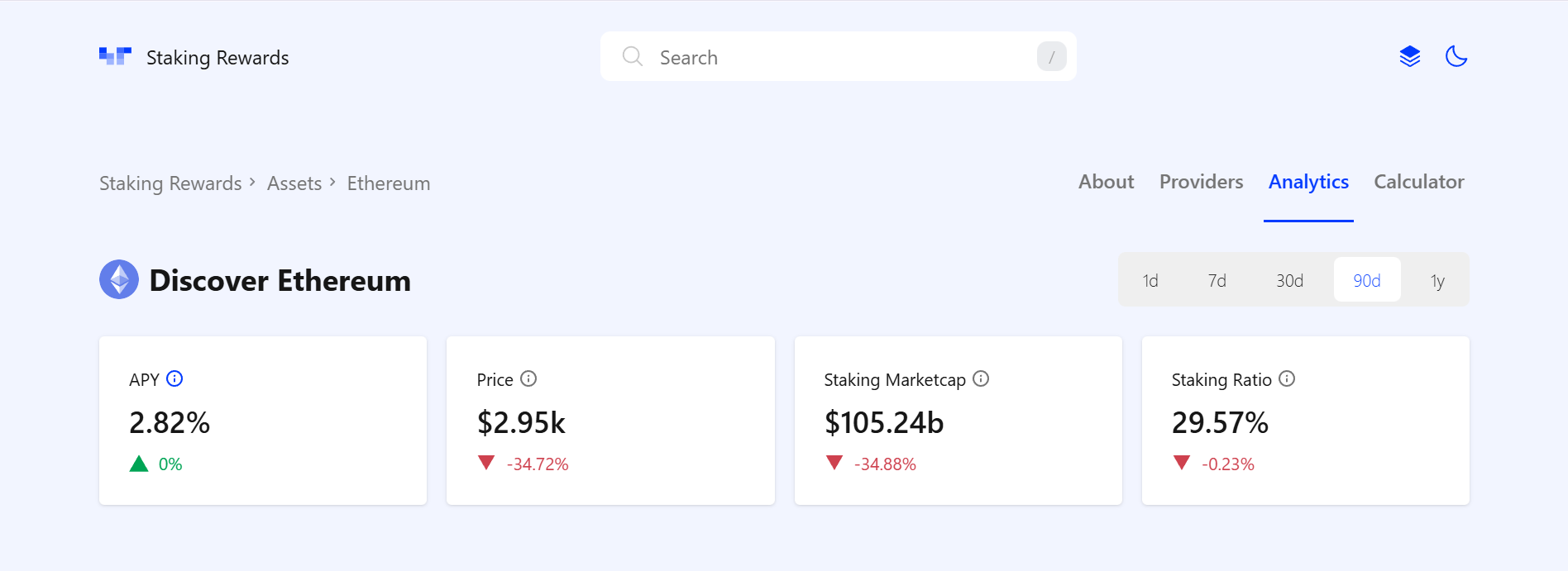
Research each blockchain’s staking model, APY range, lock-up periods, and slashing conditions. Match these factors with your investment timeline and risk tolerance. Beginners often start with ETH or ADA because these networks offer extensive documentation and support resources.
Step 2: Choose a Platform
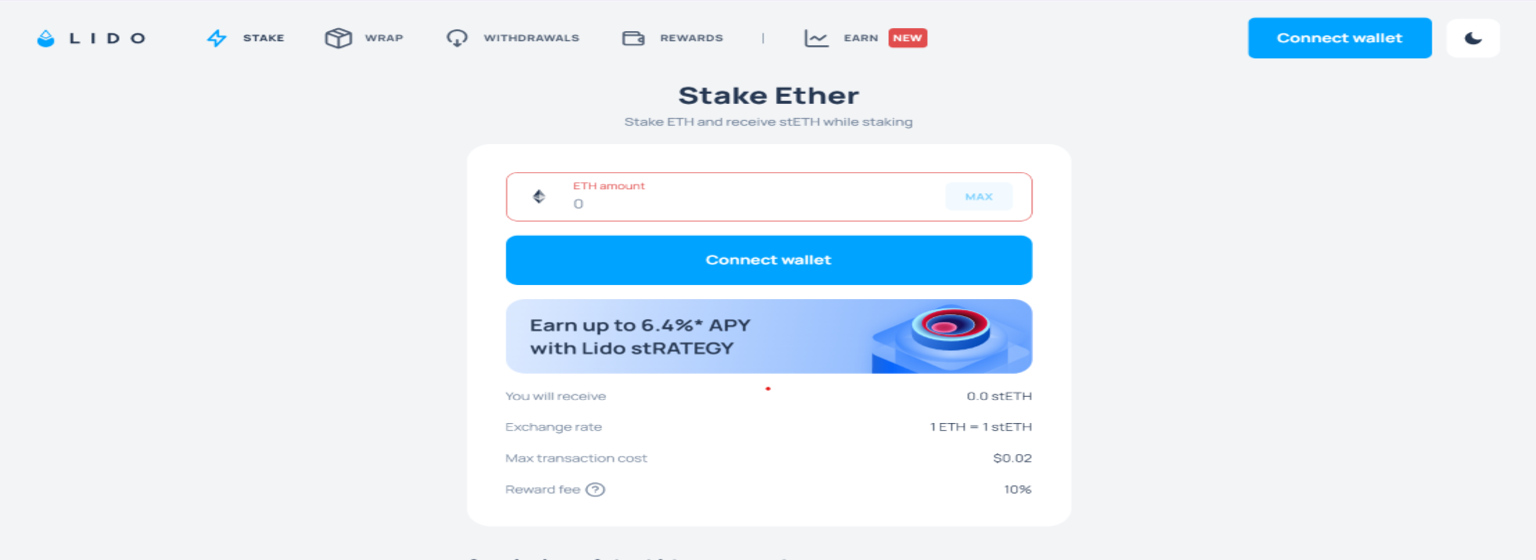
Centralized exchanges suit newcomers with simple interfaces and support. Decentralized protocols offer better security and higher yields. The best decentralized crypto wallets enable noncustodial staking with offline key storage. Hardware wallets provide maximum long-term security for extended staking periods.
Step 3: Delegate or Lock Tokens
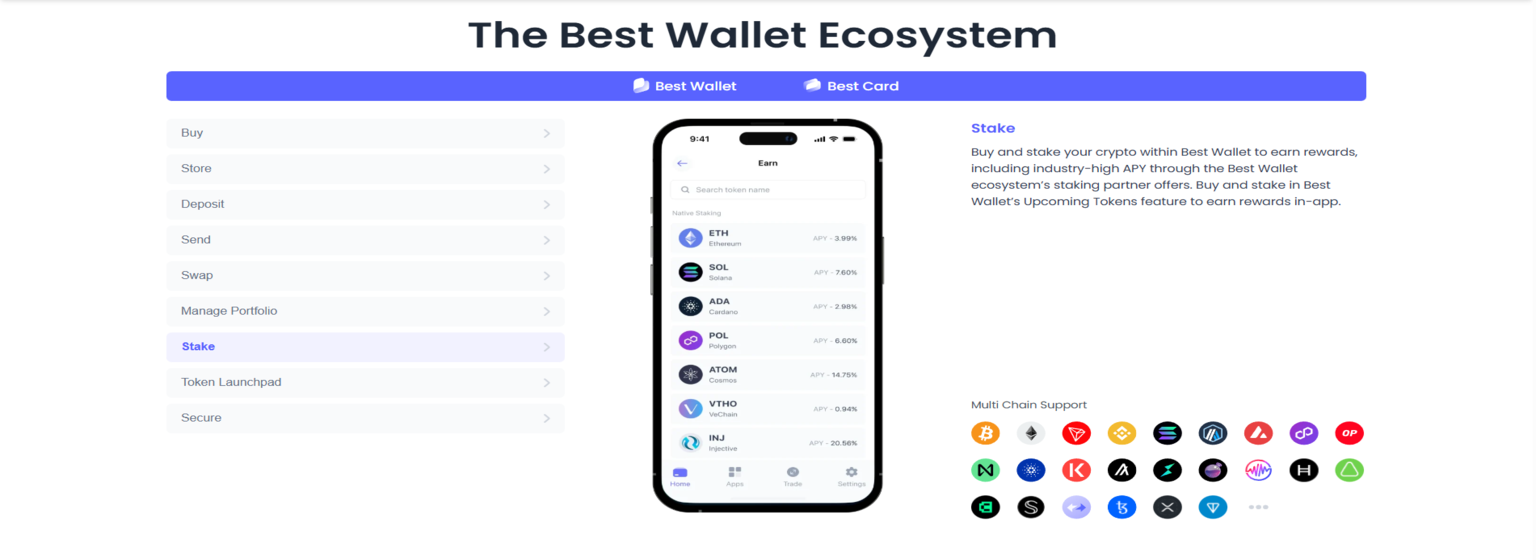
For exchange staking, navigate to the “Earn” or “Staking” section and follow prompts. For wallet-based staking, connect to the network’s staking interface or validator website. Best Wallet streamlines this process with native staking support across major networks. Select your validator based on uptime, commission rates, and reputation, then confirm the transaction.
Step 4: Monitor Rewards & Tax Obligations
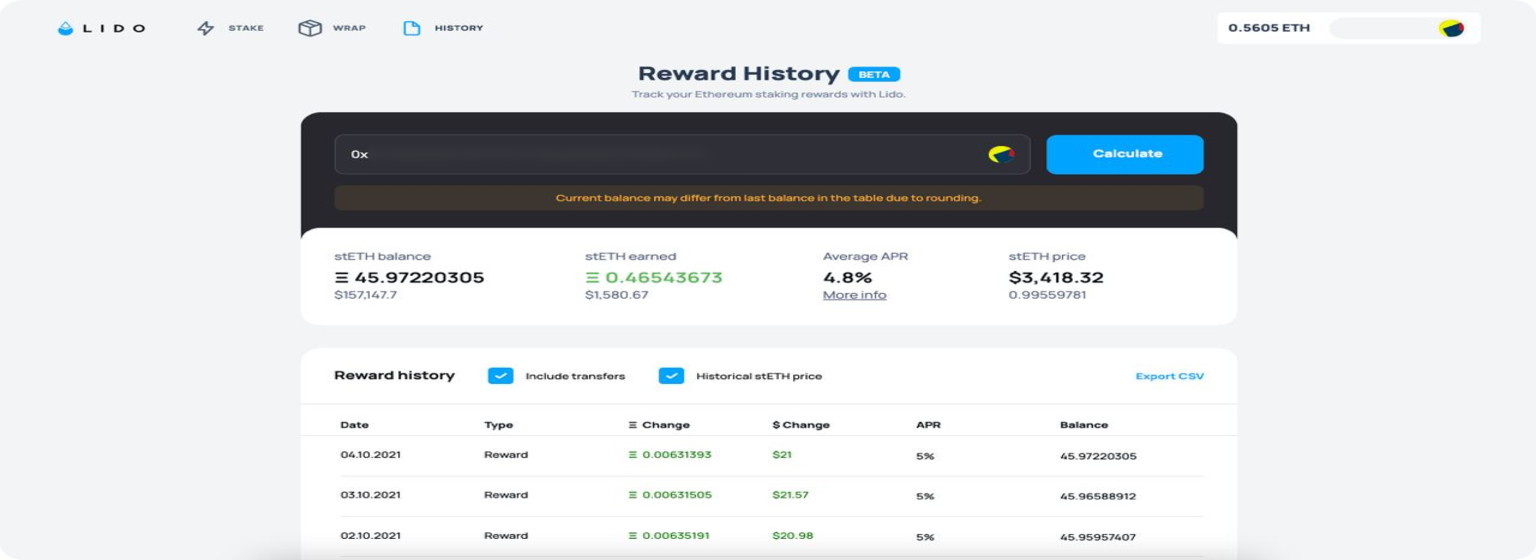
Track your staking position using explorers like Mintscan (Cosmos) or Solscan (Solana), or network-specific tools. Rewards count as taxable income in most jurisdictions. Use portfolio trackers like Koinly, CoinTracker, or TokenTax to maintain records for tax filing.
Where to Stake Crypto: Best Staking Platforms & Apps)
You have three main options for staking: centralized exchanges, DeFi protocols, and hardware wallets. Each approach offers different trade-offs between convenience, security, and potential returns.
Centralized Platforms
➡️ Binance supports over 50 staking assets with competitive rates and flexible terms. The platform handles all technical requirements and offers both locked and flexible options.
➡️ Coinbase provides simple staking for US customers with clear interfaces. Rates run lower than competitors’, but regulatory compliance adds security.
➡️ Kraken offers on-chain staking for multiple assets with weekly payouts. The platform suits both beginners and advanced users through its Pro trading interface.
➡️ Bitstamp supports ETH and ALGO staking for EU-focused users. The asset selection is smaller, but the regulatory standing is strong.
DeFi Platforms
➡️ Lido dominates liquid staking with over $25 billion in total value locked. The protocol supports ETH, SOL, and MATIC staking and issues liquid derivative tokens.
➡️ Rocket Pool provides decentralized ETH staking with lower minimums than solo validators. The rETH token maintains liquidity for staked positions.
➡️ Marinade Finance handles Solana liquid staking through mSOL tokens. The platform also offers native staking options if you prefer direct delegation.
➡️ Stader operates across multiple chains that include ETH, BNB, and MATIC. The protocol offers both liquid and native staking options.
Hardware Wallet Staking (Secure Option)
➡️ Ledger devices support direct staking for over 15 networks that include ETH, ATOM, DOT, and ALGO. Your private keys never leave the device, which eliminates exchange counterparty risk.
➡️ Trezor supports staking through third-party integrations. You connect your device to network-specific staking interfaces while keeping your keys in full control. For users focused on privacy, hardware wallets are often paired with crypto wallets with no kyc to stake assets without submitting personal identification.
Crypto Staking Rewards Explained
Staking rewards come from network inflation and transaction fees. Each network sets parameters that determine total reward pools and distribution schedules. Your share depends on how much you stake relative to the total network stake. If 50% of a network’s supply is staked and you hold 1% of staked tokens, you receive 1% of rewards.
APR measures simple interest without compounding, while APY includes compound interest effects. A 10% APR becomes approximately 10.5% APY with monthly compounding. Most staking platforms quote APY to reflect realistic returns.
Validators take a percentage of rewards before they distribute them to delegators. Commission rates typically range from 0% to 20%. Low commission isn’t always better since validators that charge 10% to 15% often provide better uptime and support.
Most PoS networks fund rewards through inflation, which dilutes non-stakers over time. High APY often correlates with high inflation. Calculate real returns by subtracting inflation from nominal APY.
Is Staking Crypto Worth It? Pros & Cons of Staking Crypto
Staking transforms idle assets into income positions. Long-term holders earn returns without selling. Networks benefit because stakers secure the blockchain.
Your goals and time horizon determine if staking suits you. Short-term traders may find lock-ups restrictive. Long-term holders benefit from compound rewards. Consider how staking fits into your broader strategy and which crypto to invest in for balanced returns.
Pros of Staking Cryptos
-
Passive income from assets you already hold
-
Strengthens network security and decentralization
-
Rewards compound over time with reinvestment
-
Price appreciation potential alongside yield
-
Governance participation in many networks
-
Lower environmental impact than mining
Cons of Staking Cryptos
-
Lock-up periods limit liquidity during market moves
-
Slashing penalties can reduce principal
-
Platform hacks and smart contract exploits pose risk
-
Token volatility can exceed staking gains
-
Tax complexity for frequent rewards
-
Inflation may offset nominal APY gains
Is Staking Crypto Safe? Staking Risks You Must Know
Staking offers rewards, but several critical risks threaten your capital and returns. Before investing, consider the risks of staking cryptocurrencies, which we list below:
Slashing
Slashing penalizes validators for malicious or negligent behavior by destroying a portion of their staked tokens. On Ethereum, this can reach 50% in severe cases. Delegators often share in these losses proportionally.
Different networks have different slashing conditions. Avalanche and Algorand have no slashing at all. Cosmos, Ethereum, and Polkadot all implement slashing with varying severity.
Lock-up Periods & Illiquidity
Unbonding periods range from 24 hours (Sui) to 28 days (Polkadot). During market crashes, locked tokens cannot be sold. The March 2022 Terra collapse caught many stakers unable to exit positions in time.
Liquid staking addresses this by issuing tradeable derivatives, but these introduce their own risks around depegging and smart contract vulnerabilities.
Platform Bankruptcy (CeFi Risk)
When FTX collapsed in November 2022, users with staked assets lost access to their regular holdings. Centralized platforms add counterparty risk that pure on-chain staking avoids.
Celsius and BlockFi failures in 2022-2023 demonstrated how yield platforms can implode. Even legitimate staking programs become inaccessible when the platform fails.
Smart Contract Risks (DeFi Risk)
DeFi protocols rely on code that may contain bugs or exploits. Hackers have drained billions from various protocols through smart contract vulnerabilities.
Even audited protocols face risk. The Ronin Bridge hack in March 2022 resulted in $625 million in losses despite previous security reviews.
Token Price Volatility
A 10% APY means nothing if the token price drops 50%. Many altcoins have declined 80% to 90% from all-time highs while they continued to pay staking rewards.
‼️Consider staking only assets you believe will hold or increase in value long-term. Staking does not hedge against price declines.
Are Staking Rewards Taxable?
Crypto regulation in most jurisdictions treats staking rewards as taxable income. The IRS, HMRC, and equivalent agencies worldwide count received tokens as ordinary income at fair market value on receipt.
When You Pay Taxes on Staking
You owe income tax when rewards enter your wallet or become claimable. For networks with automatic claims, like NEAR, each epoch creates a tax event. For manual claim networks, the tax event occurs when you claim.
When you sell or convert staked rewards, you trigger capital gains tax on any appreciation since receipt. If you received 1 ETH at $2,000 and sold at $3,000, you owe capital gains on the $1,000 increase.
Liquid staking tokens add complexity. When you receive stETH for staked ETH, this may constitute a taxable disposal in some jurisdictions.
Reporting Staking Rewards
Track every reward receipt with date, amount, and fair market value. Most portfolios receive dozens or hundreds of small reward payments throughout the year.
Calculate your total staking income by summing all rewards at their receipt values. Report this as ordinary income on tax returns.
Tools That Help Track Staking Taxes
➡️ Koinly connects to exchanges and wallets to track transactions automatically. The platform handles staking rewards and generates tax reports for multiple jurisdictions.
➡️ CoinTracker offers similar functionality with integrations for major platforms. Tax-loss harvarding features help offset gains.
➡️ TokenTax specializes in complex crypto tax situations that include DeFi and staking. The platform handles multi-chain activity across hundreds of protocols.
Alternatives to Staking
Staking isn’t your only path to passive crypto income, and some alternatives offer better flexibility for specific strategies.
Liquid Staking Tokens (LSTs)
LSTs like Lido’s stETH or Rocket Pool’s rETH let you stake while you keep assets liquid. The derivative token trades freely and can be used in DeFi protocols for additional yield.
The trade-off is smart contract risk. If the liquid staking protocol fails, your underlying stake may become inaccessible.
Lending vs. Staking
Crypto lending generates yield when you lend assets to borrowers. Platforms like Aave and Compound offer variable rates based on supply and demand.
Lending suits any token, not just PoS coins. USDT, USDC, and ETH all generate lending yields. However, borrower defaults and smart contract hacks create risks that extend beyond pure staking.
Yield Farming
Yield farming involves liquidity provision to decentralized exchanges, where you earn trading fees plus token incentives. Returns can reach triple digits but carry impermanent loss risk.
Impermanent loss occurs when token prices diverge after you provide liquidity. If one token in your pair drops significantly, you end up with more of that token and less of the other.
How to Evaluate What Cryptos to Stake (Checklist)
Before you put your tokens into any staking program, you must consider these factors:
✔️ Research the consensus mechanism, slashing conditions, and validator requirements for each blockchain.
✔️ Compare APY across platforms and factor in validator commissions. Calculate real returns after you subtract inflation.
✔️ Assess price volatility history. Look at all-time high to current price ratios and consider worst-case scenarios.
✔️ Check lock-up periods against your liquidity needs. Can you afford to wait 21 days during a market crash?
✔️ Verify asset security measures. Does the platform have insurance? Has it been audited? What’s the track record?
✔️ Understand tax implications and maintain accurate reward documentation for filing.
✔️ Determine appropriate allocation amounts. Never stake more than you can afford to lose or lock up.
✔️ Consider portfolio diversification. Spread stakes across multiple networks to reduce single-chain risk.
✔️ Monitor validator performance and uptime. Check the slashing history and community reputation before you delegate.
Coinnews Methodology: How We Build Our Rankings of Cryptos for Staking
We assess staking coins through a structured scoring system that prioritizes security, returns, and accessibility. Here’s how we break down each component:
➡️ 1. APY & Reward Consistency (30%)
Historical yield stability shows whether a network maintains predictable returns over time. We analyze APY fluctuations across market cycles to identify coins that deliver steady rewards regardless of broader conditions. Networks with erratic yields or frequent reward structure changes receive lower scores.
➡️ 2. Lock-up Requirements & Slashing Risk (25%)
Unbonding periods directly impact your ability to exit positions during market volatility. We assess how long your tokens remain locked and whether you can access liquidity through alternatives like liquid staking tokens. Slashing penalties vary dramatically across networks, and we evaluate both the severity and likelihood of these penalties based on historical validator performance.
➡️ 3. Market Capitalization & Liquidity (20%)
Larger market caps typically indicate more established networks with proven security models. Token liquidity affects your ability to convert staking rewards without significant slippage. We prioritize coins that maintain deep order books and tight spreads across multiple exchanges.
➡️ 4. Platform Availability (15%)
Multiple staking options across centralized exchanges, DeFi protocols, and hardware wallets provide flexibility in how you manage your stake. Networks that support only one or two platforms limit your choices and increase concentration risk. We favor coins with broad accessibility across different custody models.
➡️ 5. Regulatory Status (10%)
Securities classification in major markets creates uncertainty around long-term viability and exchange support. We monitor regulatory developments and factor potential compliance risks into our assessments. Coins that face active enforcement actions or unclear legal status receive additional scrutiny.
⚠️ We update these rankings periodically as market conditions, APY rates, and network developments change. Each coin must demonstrate active development and an established track record to qualify for inclusion.
The Bottom Line
Staking offers crypto holders a way to generate passive income while they support blockchain networks they believe in. The best crypto to stake depends on your specific goals, whether you want maximum yield from Cosmos, stability from USDT, or accessibility from Tezos.
Success requires you to understand the trade-offs. Higher APY typically brings longer lock-ups, slashing risk, or elevated volatility. Platforms that offer convenience add counterparty risk that pure on-chain staking avoids.
Start with small positions to learn the mechanics. Use reputable platforms with proven security records. Diversify across multiple networks rather than concentrate in one. Track rewards for tax purposes from day one. Staking won’t make you rich overnight, but it can grow your holdings over years of patient accumulation.
FAQs About Best Crypto for Staking
Staking carries risks that include slashing, platform failure, and token volatility. Choose reputable validators and platforms, use hardware wallets when possible, and never stake more than you can afford to lose.
Yes. Most jurisdictions treat staking rewards as ordinary income taxable at receipt. When you sell rewards later, you trigger capital gains tax on any appreciation. Consult a tax professional for jurisdiction-specific guidance.
Yes. Slashing penalties, platform hacks, validator misbehavior, and smart contract exploits can all result in losses. Not all networks enforce slashing, and you reduce risk when you choose reliable validators.
Staking generates returns without active trade, which fits most definitions of passive income. However, you need to monitor validator performance, manage tax obligations, and periodically restake your rewards.
Islamic scholars hold different opinions on this question. Some argue staking constitutes an acceptable profit-share (musharakah) since stakers bear risk. Others raise concerns about the speculative nature of crypto. Consult a qualified Islamic finance scholar for personal guidance.
Consulted References
CoinMarketCap: Cryptocurrency Staking Yields and Market Capitalization Data
Binance Research: Staking Mechanisms, Validator Models, and Yield Analysis
Staking Rewards: Network APY, Inflation, and Validator Statistics
Chainalysis: Crypto Risk, Compliance, and Market Structure Reports
OECD : Taxation of Crypto Assets and Staking Income
Cambridge Centre for Alternative Finance: Blockchain Networks and Consensus Research