


Ethereum Staking Hits Records While On-Chain Activity Collapses — Why ETH Price Is Stalling
Ethereum Staking Records vs. On-Chain Collapse: Why ETH Stalls

Ethereum’s ETH 2.0 staking rate has reached an all-time high of 32.18% of total supply – the largest proportion of ETH ever committed to validator infrastructure – while median token transfer size and transaction fees have simultaneously collapsed 80% to 90% against the 90-day baseline. Bitcoin is trading in the $76,500–$77,300 range, and ETH is holding near $2,100 after losing that level under sustained selling pressure. The contradiction between record long-term conviction and near-zero organic network activity is the structural tension that CryptoOnchain’s latest analysis identifies as the primary reason ETH price is stalling rather than recovering.
What the Staking Data Actually Shows
The 32.18% staking rate represents the highest lock-up of ETH supply in the network’s history. Over 35.9 million ETH are committed to validator contracts, with more than 1.1 million active validators maintaining uptime above 99% and base staking rewards running in the 3.5%–4.2% APY range. Entry queues recently exceeded 2.3–2.5 million ETH – implying weeks-long wait times for new validators – while the exit queue has fallen to zero, a data point that signals stakers are not positioning to liquidate.
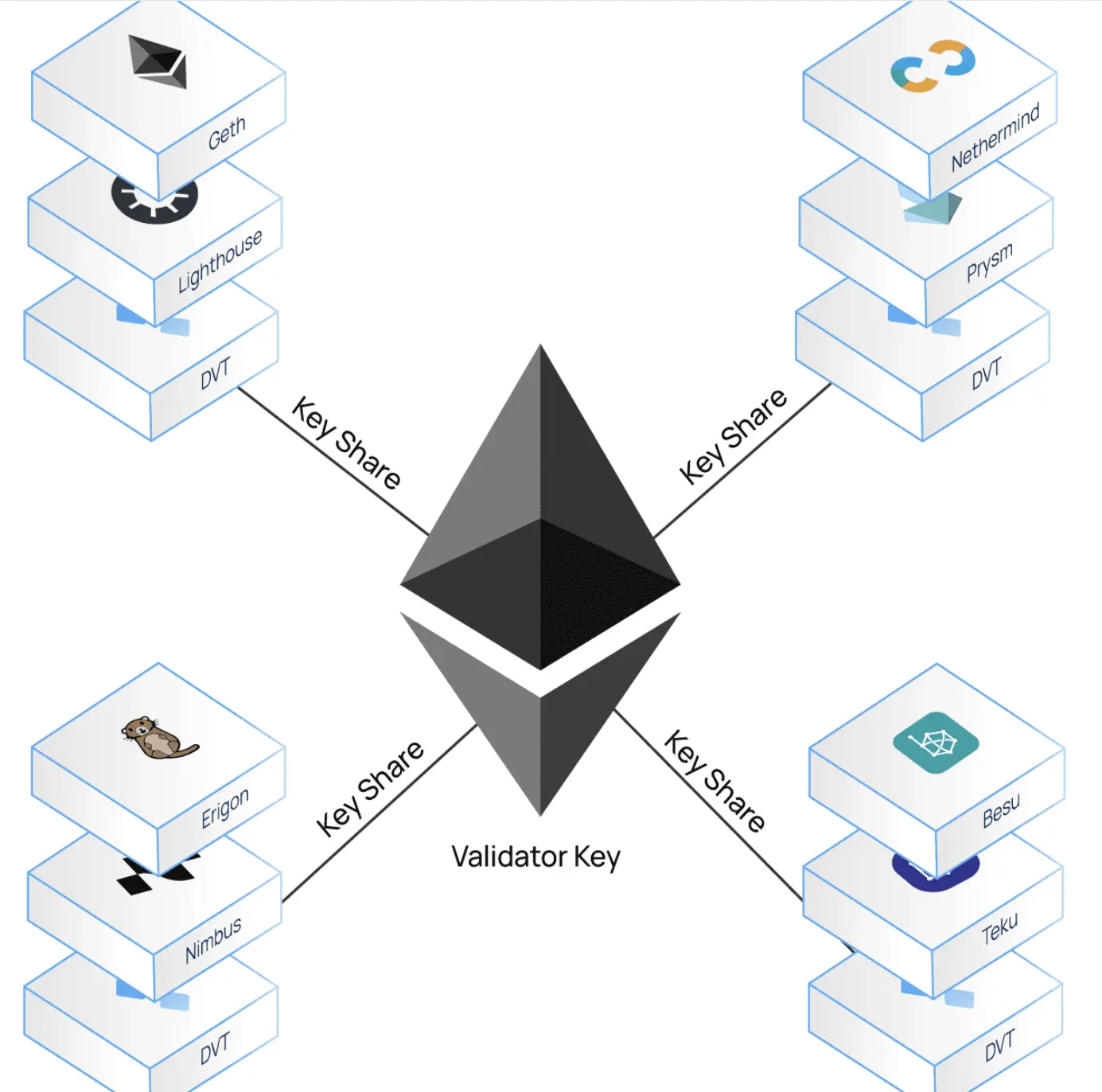
The structural driver behind this acceleration is the participation of institutional players and publicly listed digital asset treasuries, which began treating staked ETH as a yield-bearing reserve asset through late 2025 and into 2026. Liquid staking protocols have lowered the entry barrier further, allowing large asset managers to stake without sacrificing liquidity. Institutional accumulation theses for Ethereum have gained traction precisely as this cohort has treated the staking mechanism as a structural position rather than a speculative trade.
The supply math is consequential. With 32.18% of total ETH locked in validators, circulating supply available to traders is structurally thinner than at any prior point in the network’s history. That creates a genuine supply floor – but a supply floor and a price catalyst are not the same thing.
On-Chain Activity Tells a Different Story
Against that record staking commitment, the network’s organic activity metrics are running at near-zero relative to recent baselines. Median token transfer size and transaction fees are down 80%–90% from the 90-day baseline, a collapse CryptoOnchain describes as an on-chain ghost town. The day-to-day demand for block space – DeFi interactions, NFT settlement, protocol calls – has nearly evaporated at the base layer.
The research context complicates a clean bearish read: Ethereum’s main chain recorded approximately 3.6 million transactions on April 12, 2026, and average fees have compressed partly due to efficiency upgrades and the migration of activity to Layer 2 rollups. Raw L1 fee and transfer-size data can therefore understate total ecosystem throughput. But for ETH the gas token, the demand signal that moves price is base-layer fee pressure – and that signal is absent.
The analytical point the CryptoOnchain analysis lands is precise: staking absorbs ETH supply, but if the network is not being used, the demand-side case for ETH weakens regardless of how much supply is locked. Record staking and collapsed organic activity are not offsetting forces – they are two separate signals pointing in two different directions simultaneously.
Why the Two Signals Together Are Stalling ETH Price
The Coinbase Premium has dropped to -0.12, confirming that U.S. institutional spot buyers have stepped back from active accumulation. Ethereum spot ETF inflows approached $500 million in April while price remained rangebound – an early illustration of capital entering without generating sustained upside momentum. The absence of fresh spot demand is the gap that derivatives are currently filling.

Binance funding rates have surged 688% above the 90-day baseline, maintaining positive territory at +0.01. CryptoOnchain’s conclusion is direct: speculative leveraged positioning on the world’s largest derivatives exchange is the force sustaining ETH’s price in the absence of spot demand and network utility. The supply floor from staking is structural. The price level itself is not – it is resting on leverage that can unwind in hours, not days.
Capital that might otherwise rotate into ETH is tracking assets with demonstrable performance metrics. Altcoin rotation metrics are currently favoring high-performance infrastructure over large-cap underperformers, a pattern that has been visible across 2025–2026 as traders allocate with precision toward networks generating measurable throughput gains. ETH remains below its 200-day moving average, which continues trending downward. The resistance cluster between $2,280 and $2,380 has rejected every recovery attempt since April, and a breakdown below the $2,050–$2,100 support zone would expose the $1,800–$1,900 demand region.
$HYPER Presale: Key Metrics and Structural Parameters
Against that backdrop – record ETH staking absorbing supply while organic activity and spot demand remain absent – rotation-focused capital has been moving toward earlier-stage infrastructure plays with active user and fee metrics. The Bitcoin Hyper presale has crossed $32 million raised, with the current token price at $0.0136804 and staking APY available to presale participants. The project is positioning as a Layer 2 execution environment built on Bitcoin’s security layer, targeting the structural gap between Bitcoin’s settlement finality and demand for programmable throughput.
The architecture uses a canonical bridge design with state commitments anchored to the Bitcoin base layer, allowing developers to deploy smart contract logic while inheriting Bitcoin’s proof-of-work security guarantees. That is the technical distinction the project’s roadmap is built around – not a competing L1, but an execution layer that treats Bitcoin settlement as its security foundation rather than its constraint.
Token allocation follows a phased presale structure with staking rewards available from deposit, which analysts tracking the project note as a mechanism for reducing circulating supply at launch. The combination of a sub-cent entry price, active staking yield, and a BTC-native architecture has driven the $32 million raise figure across presale stages.
Presale Access: Accepted Assets, Platforms, and Entry Parameters
The Bitcoin Hyper presale is accessible at bitcoinhyper.com, with participation accepted via ETH, BNB, USDC, USDT, and bank card. The Best Wallet mobile app supports presale entry directly from iOS (App Store) and Android (Google Play) for participants preferring mobile access. Current token price is $0.0136804 with staking APY active for committed presale participants.
For real-time project updates and community data, follow Bitcoin Hyper on X and monitor the official Telegram group. Visit Bitcoin Hyper.
About Author

About Author




