
Arthur Hayes Urges Zcash Holders to Move Funds to Decentralized Wallets For Privacy
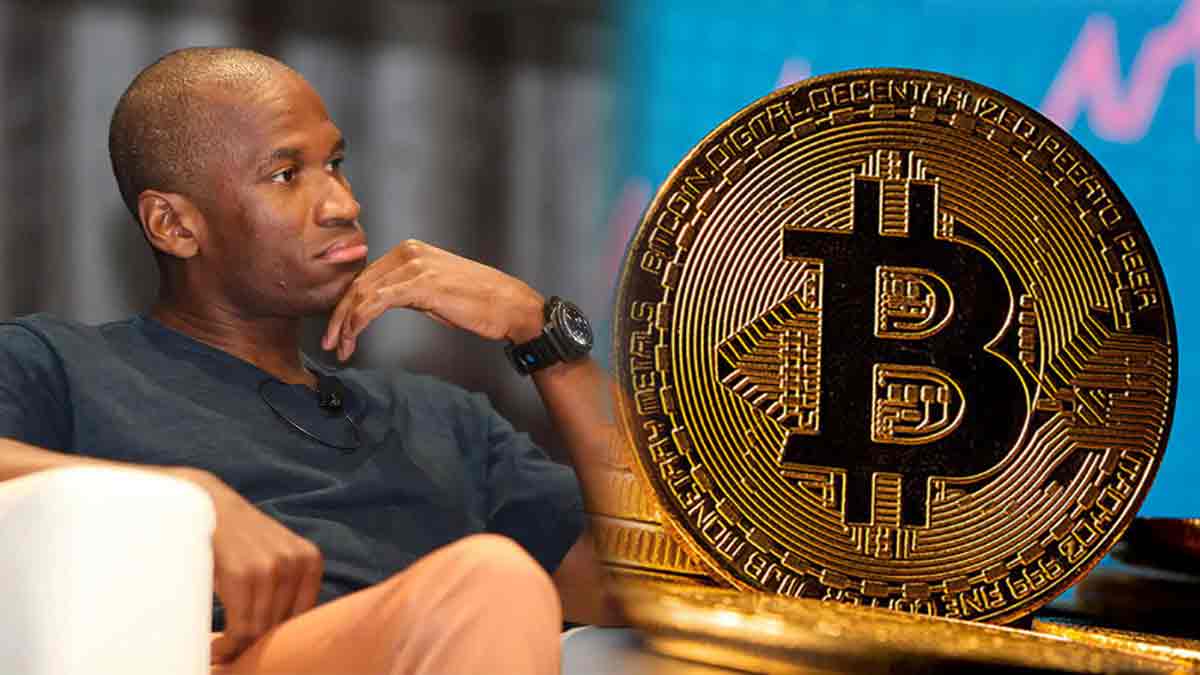
Arthur Hayes, the co-founder of Bitmex, has advised all ZEC holders to transfer their coins to decentralized wallets and use shielded addresses. for privacy.
Hayes urges Zcash holders to move their tokens from exchanges to non-custodial wallets and shield them. The Zcash network has two types of addresses: transparent and shielded. Transparent addresses work like regular public addresses, while shielded addresses use a cryptographic system called ZK-Snark, which enables users to carry out private and anonymous transactions by hiding both the sender and the receiver identities.
Despite the system’s advanced features, centralized exchanges only use transparent addresses, making all transactions traceable and removing the privacy that ZEC was primarily designed to provide.
Hayes disclosed that Zcash is currently the second-largest in his fund after Bitcoin and predicted it could reach $10,000 after a strong rally in the past two months. He had previously predicted that ZEC would hit $1000 after it rose past $500, fueling more speculations after his post went viral.
Zcash Gains Spotlight in Crypto Privacy Push
Like Arthur Hayes, a16Z crypto pointed out that privacy is becoming more important as crypto goes mainstream. They also shared an image showing 2025 privacy updates for Zcash, including improvements to its Zashi wallets with privacy-friendly cross-chain swaps.
In another update, Gemini co-founder Tyler Winklevoss praised Zcash, saying privacy is rare as our lives have increasingly moved online. He also announced Cypherpunk, a new company focused on privacy and digital freedom, which plans to acquire ZEC tokens at scale, aiming for at least 5% of the total supply.
Developer Mert noted that he expects the ZEC treasury to see a higher value and buying pressure, since privacy coins are restricted in many regions. Additionally, he expects a Zcash ETF to launch soon. He also believes that shielded and unshielded addresses could spread privacy worldwide.
About Author

About Author