


CME’s Legal Challenge Freezes Nasdaq’s Cash-Settled Bitcoin Options
The SEC froze Nasdaq PHLX’s QBTC approval after CME Group challenged its jurisdiction, with a public comment period open until August 24.

The U.S. Securities and Exchange Commission has frozen Nasdaq PHLX’s approval to list cash-settled bitcoin index options and will reconsider its earlier decision following a formal legal challenge from CME Group, according to an order released for public inspection on July 31 – a procedural freeze that puts the product known as QBTC on hold while Washington argues over who holds regulatory authority over bitcoin derivatives.
What the SEC Actually Did – and What Triggered It
The freeze on QBTC has been in effect since June 11, 2026, when CME Group filed notice of its challenge to the SEC’s May approval of the product. The order keeps the approval frozen and opens a public comment period running to August 24, at which point the full commission will review the earlier approval, with interested parties invited to submit statements supporting or opposing it.
CME’s argument is structural: because bitcoin is a commodity, options tied directly to its value fall under the exclusive jurisdiction of the Commodity Futures Trading Commission, not the SEC. If that reading holds, the SEC would have no authority to approve QBTC in its current form, and Nasdaq would face a choice – register as a CFTC-regulated futures or swaps venue, or redesign the contracts to track a registered security such as a spot bitcoin exchange-traded fund rather than a raw bitcoin index.
The SEC’s original May approval was conditional, requiring CFTC exemptions before QBTC could actually launch. CME’s petition, per reporting by CoinDesk, argued that regulators cannot use exemptions to effectively transfer a product from one agency’s jurisdiction to another – a position that, if accepted, would close the cross-agency workaround the original approval relied on.
CME’s Competitive Interest Is Not Incidental
CME Group already operates regulated bitcoin futures and options markets in the United States, governed by the CFTC framework. Nasdaq’s QBTC, structured as a cash-settled index option clearing through the Options Clearing Corporation, would have competed for the same trading activity – but without Nasdaq registering under the CFTC rulebook that governs CME’s own markets.
That asymmetry is what makes this as much a competitive dispute as a legal one. Equity-options desks familiar with the OCC clearing model and the Nasdaq venue would have had a natural path into bitcoin exposure via QBTC, potentially diverting flow from CME’s contracts. CME’s petition also warned that approving QBTC could set a precedent allowing securities exchanges to list derivatives on other commodities – gold, oil – without CFTC oversight, a concern that extends well beyond bitcoin.
Notably, Nasdaq’s proposed contracts would have used CME CF benchmarks for both the underlying index and the final settlement price – meaning Nasdaq would have built a competing product on CME’s own reference rates. The jurisdictional challenge arrived roughly three weeks after the May approval, per PrimeXBT.
Market Read: Procedural Friction, Not a Structural Shift
Bitcoin traded near $62,979 at the time of publication, down roughly 0.2% on the day, according to the primary source. Open interest in bitcoin derivatives did not spike on the headline, and the muted reaction is itself informative – a market genuinely threatened by this news does not absorb it with a sub-half-percent move.
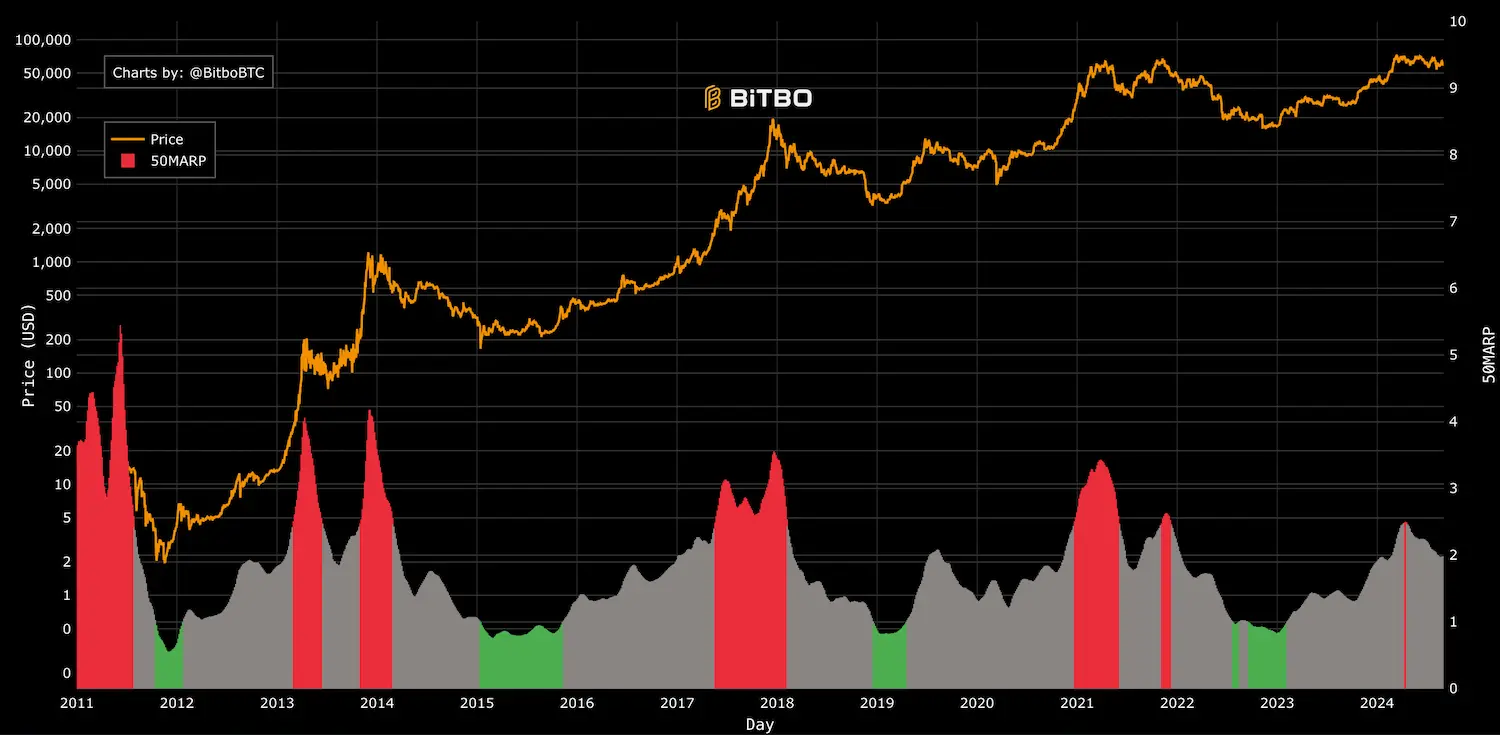
The real transmission channel here is not spot price but institutional pipeline timing. When the SEC and CFTC dispute jurisdiction over a product category, new derivative launches stall, product timelines extend, and capital that wants regulated onshore exposure waits on the sidelines. That delay compresses the near-term supply of fresh institutional money into listed crypto derivatives – not catastrophically, but measurably. The broader context for why institutional product access matters is visible in ETF flow data: U.S. spot bitcoin ETFs recorded significant net inflows on Thursday, ending a four-day outflow streak, suggesting demand for regulated exposure remains intact even as the options pathway stays blocked.
The SEC-CFTC boundary question raised by this dispute is not unique to QBTC – it is a recurring and as yet unresolved structural question in U.S. crypto market regulation, one that shapes how quickly listed crypto derivatives can expand and how major allocators size their positions. The pursuit of CFTC designated contract market licenses by crypto venues reflects the same underlying regulatory sorting: which regulator owns which crypto product, and what framework does a venue need to operate legally.
What Comes Next and What Resolves This
The immediate milestone is the August 24 comment deadline. After that date, the SEC will work through submissions from interested parties – exchanges, trading firms, legal advocates – before the full commission issues its ruling on the May approval. A drawn-out process, or an overturn of the approval, forces Nasdaq back to the drawing board on product structure and registration. Any procedural update on the review itself will be a signal worth watching: a fast resolution removes an excuse for institutional caution, while a prolonged fight keeps larger allocators in wait-and-see mode.

If the SEC ultimately sides with CME’s jurisdictional argument, the longer-term effect is a cleaner but narrower SEC lane: derivatives on bitcoin ETFs stay within the securities framework, while derivatives tied directly to bitcoin’s commodity price route through the CFTC. That outcome would effectively entrench CME’s position in the direct bitcoin options market and slow the diversification of listed venues offering bitcoin derivatives exposure.
The market will be forced to price a resolution once the comment period closes and the commission signals its direction. Until then, the QBTC dispute serves as a live reminder that the boundaries between SEC and CFTC authority over crypto products remain actively contested.
Follow CoinNews on X and Telegram for ongoing coverage of SEC and CFTC crypto derivative rulings as the August 24 deadline approaches.