


ETF Inflows and $686M Exchange Drain Push Bitcoin to One-Month High
Bitcoin surged to $66,277 as five straight days of ETF inflows and a $686M single-day exchange withdrawal eased selling pressure, but stablecoin flows warn.

Bitcoin climbed to a one-month high of $66,277 – up roughly 3.3% from its prior close – as five consecutive sessions of US spot ETF net inflows and a single-day withdrawal of $686 million worth of Bitcoin from major exchanges eased some near-term selling pressure, according to data from CryptoSlate. The move cleared a price range that had contained multiple recovery attempts throughout July, but the structural picture beneath the surface is less clean: stablecoin purchasing power is still leaving exchanges, leveraged positioning amplified the move through mass liquidations, and a Goldman Sachs scenario of Brent crude above $120 a barrel in Q4 could tighten the broader liquidity available to risk assets at precisely the moment Bitcoin needs new capital to extend the rally.
ETF Inflow Streak Breaks a Two-Month Pattern of Withdrawal
US spot Bitcoin ETFs recorded five consecutive sessions of net inflows totaling approximately $727 million, the longest positive streak since early May, according to SoSoValue data cited by CryptoSlate. That reversal matters because the ETF inflow reversal arrives after Bitcoin and Ether funds combined posted roughly $9.46 billion in net outflows over eight weeks – a sustained withdrawal cycle that kept spot prices pinned in the high-$50K to low-$60K range through June and early July.
Simon-Peter Massabni, head of business development at XS.com, noted that the renewed inflows have helped support Bitcoin after several earlier recovery attempts lost momentum when ETF demand quickly faded. He framed the current streak as encouraging but insufficient on its own, arguing that Bitcoin would need capital to arrive at a faster pace and over a materially longer period to sustain the advance and recover meaningful ground lost during the selloff.
Five positive sessions recover only a fraction of what left the market during the preceding two months. Whether institutional buyers are shifting from opportunistic dip-buying toward sustained accumulation – the distinction that determines whether this rally holds – will not be visible until the streak extends by several more weeks.
Exchange Outflows Remove Supply, But Accumulation Signal Remains Absent
On July 20, $686 million in Bitcoin left Binance, Bybit, Coinbase, and HTX in a single session, per CryptoQuant data. Binance accounted for roughly $570 million of that total – its largest daily net outflow since April – while Bybit posted approximately $65 million, Coinbase about $48 million, and HTX roughly $3 million. Simultaneous outflows across multiple major venues reduce the Bitcoin immediately available for sale, providing mechanical near-term price support, as analyzed in exchange balance movements at similar price levels.
CryptoQuant analyst Axel Adler noted that the one-day movement does not constitute evidence of sustained accumulation. Bitcoin’s 30-day exchange net-flow indicator remains close to its baseline and continues to show a slight bias toward inflows, meaning the July 20 withdrawals have not been large or persistent enough to reverse the broader trend. Adler also noted that the deep, multi-week exchange outflows that characterized accumulation periods in 2023 and 2024 remain absent from the current data.
The buy side presents an additional constraint. CryptoQuant’s 30-day moving average of stablecoin net flows has remained negative and recently dropped below -$100 million, indicating that dollar-pegged tokens are leaving exchanges faster than they are arriving. Stablecoins represent the market’s most readily deployable purchasing power; their continued withdrawal weakens the capacity to absorb supply and sustain repeated advances above $66K.
$260 Million in Liquidations Amplified the Move – and Raise Questions About Its Foundation
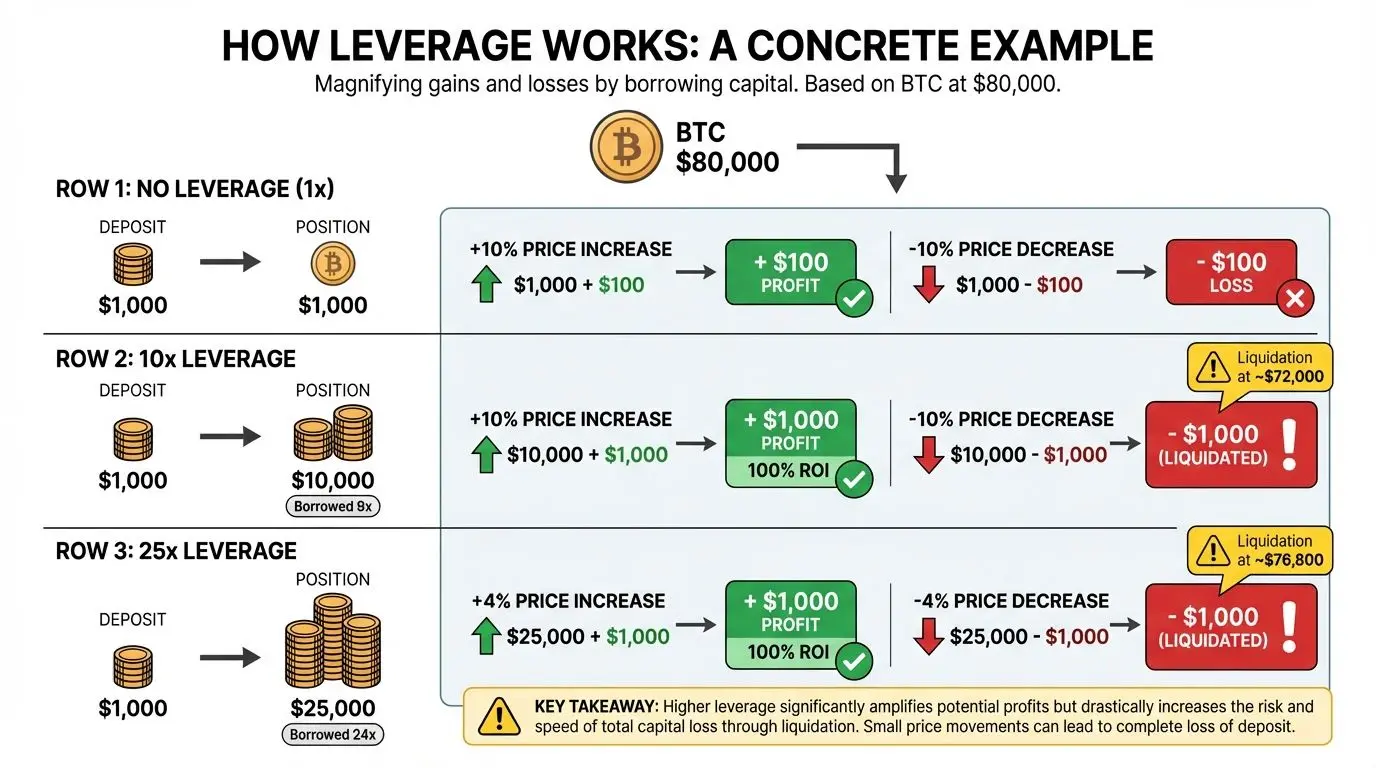
The climb above $66,000 forced 78,126 traders out of leveraged positions over 24 hours, generating approximately $260.3 million in total liquidations according to CoinGlass data. Those forced closures mechanically accelerated the price move as exchanges automatically unwound positions that could no longer meet margin requirements – a dynamic that can produce sharp percentage gains without a proportional increase in durable spot demand.
Santiment data shows Bitcoin’s 30-day market-value-to-realized-value ratio has moved back above zero, meaning wallets that accumulated over the past month are now holding unrealized gains on average. The reading is not yet at levels associated with an overheated market, but the shift above neutral removes a key disincentive to selling and raises the probability of profit-taking if momentum stalls before reaching the next structural target.
Oil Disruption Keeps External Liquidity Uncertain
US Central Command confirmed additional strikes against Iran on July 20, targeting military command centers, maritime capabilities, missile and drone launch sites, and air-defense systems, with the stated objective of reducing Iran’s capacity to threaten commercial vessels transiting the Strait of Hormuz. Iranian parliament speaker Mohammad Bagher Ghalibaf signaled that Tehran remained skeptical of Washington’s stated interest in ending the conflict, and commercial traffic through the strait remains well below pre-war levels despite a mediator-backed 10-day ceasefire proposal that has not yet produced a halt in hostilities.
Brent crude fell approximately 2% to $88 a barrel as traders assessed the ceasefire proposal, but Goldman Sachs has argued that Brent could climb above $120 a barrel in Q4 if disruptions through the Strait of Hormuz persist. A sustained energy shock would complicate the inflation and interest-rate outlook, keeping government bond yields elevated and reducing the pool of speculative capital available to Bitcoin and other risk assets – an external headwind that could undercut the rally even if crypto-native flows continue to improve. Prior macro catalyst analysis around the $66K-$67K range shows how sensitive Bitcoin remains to inflation-linked liquidity shifts at these levels.

$72,200 Is the Next Structural Test – and It Requires More Than This Rally Has Shown
Adler described Bitcoin as operating within a transitional market range bounded by an adjusted cost-basis support near $57,700 and a recovery level around $72,200. The move above $66,000 has pushed Bitcoin materially away from the lower bound, but the asset still requires a further gain of roughly 9% to reach the level Adler associates with a confirmed broader recovery.
The conditions that supported this rally – ETF inflows returning, a large single-day exchange withdrawal, and leveraged shorts getting squeezed – are real but not sufficient. Stablecoin flows continue to show a net drain, the 30-day exchange net-flow indicator has not reversed, and the macro backdrop carries a meaningful tail risk in the form of Persian Gulf energy disruption. The path of least resistance has shifted upward from where it sat in early July, with $72,200 as the next level the market will be forced to price if institutional demand continues to build – but that outcome depends on whether the current ETF inflow streak can sustain and deepen over the coming weeks rather than fade as previous streaks have.
Follow CoinNews on X and Telegram for real-time Bitcoin market updates and on-chain data analysis.
About Author

About Author