


Japan’s PayPay Network Gets a Yen-Settled USDT Payment Route
Binance Pay USDT payments will reach PayPay-supported merchants in Japan, letting eligible overseas visitors spend crypto while stores settle in yen.
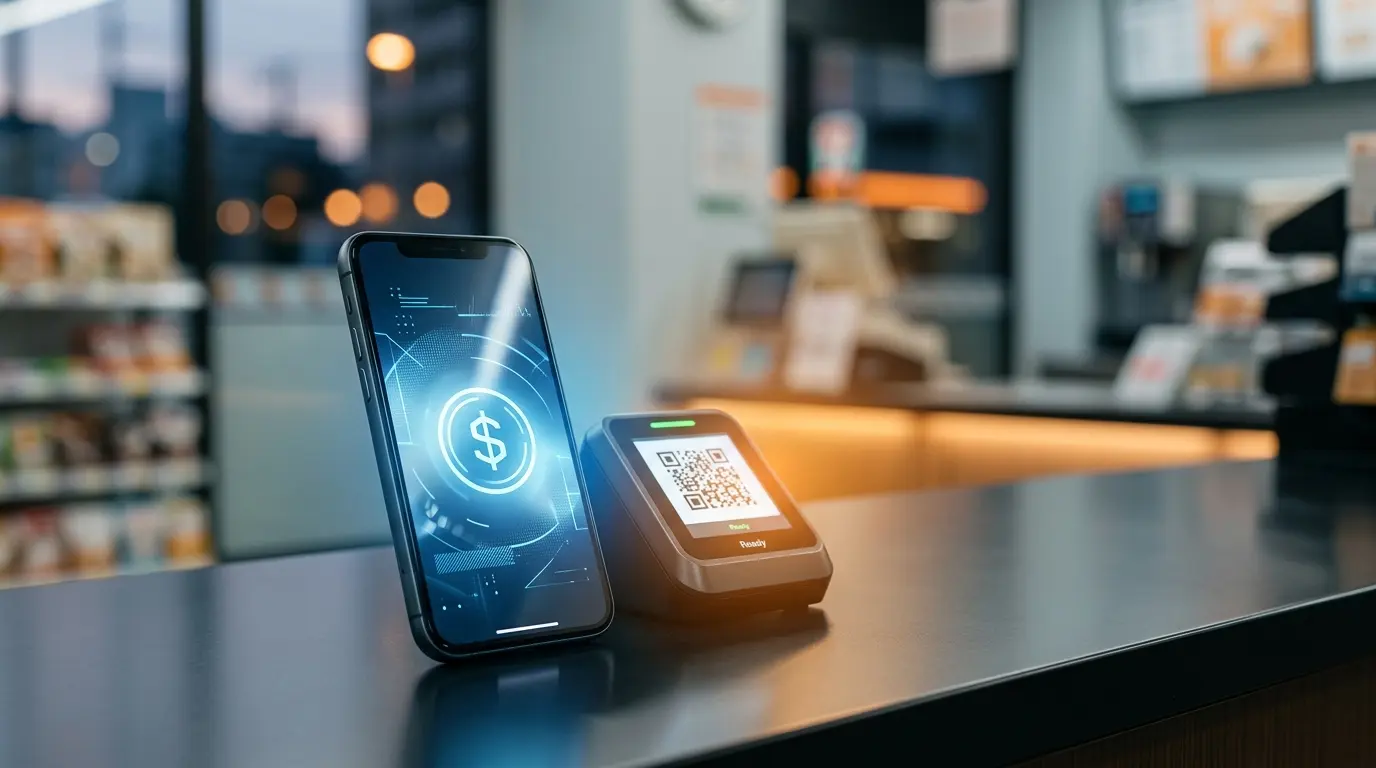
Binance Pay will let eligible overseas visitors spend Tether USDt (USDT) at most PayPay-supported merchants in Japan through HIVEX, with stores continuing to receive settlement in yen. The service begins Wednesday, September 30, creating a new travel-payment route that connects a crypto balance to an established Japanese QR payment network without requiring merchants to accept USDT directly.
Binance Pay Brings USDT Spending to PayPay Merchants
The arrangement works through HIVEX, a payment interoperability framework that links overseas QR payment services with merchants that accept PayPay in Japan. In practical terms, the framework provides a connection between Binance Pay and PayPay’s existing merchant network; the source announcement does not describe the precise checkout steps or conversion process for a transaction.
That distinction matters for the merchant side of the payment. Stores continue to receive yen, according to the announcement, rather than holding or settling in USDT, and they do not need to opt in separately to the Binance Pay service. The integration therefore adds a new payment route for eligible overseas users while leaving merchant settlement in the local currency.
Binance told Cointelegraph that Binance Pay is the first crypto payment service to access PayPay-supported merchants through HIVEX. The claim is specific to access through this framework; it does not establish that Binance Pay is the first crypto payment option available in Japan more broadly.
The reachable network is extensive but not universal: the announcement describes access at the vast majority of PayPay-supported merchants, not every location. PayPay is accepted at millions of places nationwide, including major chains, smaller retailers, vending machines, taxis and public transportation, giving the integration a potential footprint beyond a narrow set of specialist crypto-friendly stores.
PayPay lists nine other overseas payment services supported through HIVEX, mainly from China, Hong Kong and Taiwan. That existing roster shows that the framework already connects multiple foreign payment services to Japanese merchants, while Binance Pay adds a crypto-based option to the cross-border mix.
The model resembles other efforts to connect digital-asset balances with local payment infrastructure, including Binance Pay’s merchant-payment route in Bhutan. A separate USDe payment use case illustrates the broader product question: whether stablecoin balances can become spendable in everyday settings, rather than remaining primarily on trading platforms.
For this Japan rollout, the verified scope is narrower than some promotional descriptions of crypto payments. The announcement identifies USDT and eligible overseas users, but does not establish that the service supports other tokens, every Binance user, every PayPay merchant or a particular QR-code flow. Those limits matter: the integration creates access, but actual availability remains subject to the stated eligibility and merchant coverage.
Japan’s Inbound Tourism Market Adds Context
Japan’s visitor numbers provide a clear commercial backdrop for a payment service aimed at overseas users. The Japan Tourism Agency reported a record 42.7 million international visitors in 2025; in the latest comparable global ranking, based on 2024 data, Japan placed ninth worldwide and first in Asia.

The more recent arrival figures show that tourism demand can move in both directions. Japan recorded 3.1 million visitor arrivals in August 2026, down 9.6% from a year earlier, while arrivals in the first eight months of the year totaled 27.6 million, a 2.7% year-over-year decline, according to the Japan National Tourism Organization.
Those figures establish the scale of the inbound market, but they do not show how many visitors will use Binance Pay or how much payment volume the integration could generate. Nor do the reported visitor totals indicate what share of travelers hold USDT, prefer QR payments or will choose a crypto-linked option over cards and other local payment methods.
The more defensible takeaway is about distribution. PayPay’s acceptance across retail and transport settings gives Binance Pay a route into familiar, routine purchase categories for travelers, while yen settlement keeps merchants on their existing currency footing. That arrangement removes one potential obstacle for stores, although it does not by itself guarantee customer adoption or consistent availability at every PayPay location.
Crypto payment products compete on more than the number of merchants a network can reach. The relevant consumer comparison includes how easily a balance can be used at checkout and how the payment experience fits alongside established card and mobile-wallet options; crypto-linked debit cards represent another approach to bringing digital-asset balances into ordinary spending.
For USDT, a supported retail payment route offers a concrete utility case outside exchange trading, but the announcement does not quantify transaction costs, conversion rates, settlement timing for users or adoption. Without those details, the launch is best understood as an expansion in potential access, not evidence of a material change in stablecoin demand or a direct catalyst for the token’s market price.
What can be assessed from the available information is the structure: eligible overseas users can spend USDT at most PayPay-supported merchants, HIVEX connects the payment services, and Japanese stores continue receiving yen. Whether that structure gains meaningful use will depend on customer uptake and on how reliably the service works across the broad but not universal merchant network.
Follow CoinNews on X and Telegram for ongoing market and crypto payments updates.
About Author

About Author