


Krak Lets US Users Spend Crypto and Fiat With One Card
Krak’s US debit card lets users spend crypto and fiat at checkout, with up to 2% cashback and balances converted to dollars.

Krak, the consumer payments app owned by Kraken parent Payward, has launched a multi-asset debit card for US customers, giving crypto holders a direct way to spend their balances at checkout rather than routing through a separate off-ramp. The launch lands as Payward pushes deeper into payments infrastructure through a pending acquisition of Hong Kong-based Reap.
What the Krak card actually does
The card lets US users spend both crypto and fiat from a single account, with holdings converted to dollars at the point of sale, according to Cointelegraph reporting. A single purchase can pull from multiple balances, and users choose the order in which assets get spent – a mechanic worth understanding before assuming your BTC gets touched first by default.
It’s issued by Lead Bank on Visa’s network and powered by Stripe Issuing, with both physical and virtual cards available. Cashback runs up to 2% in either USD or BTC, though the rate scales with average assets held across Krak, Kraken and Kraken Pro rather than applying flat across the board – details on the exact tier thresholds are best confirmed directly through Krak’s own card page before signing up, since eligibility and state availability can shift.
Kraken’s consumer app isn’t starting from zero here. The company says it has issued more than 135,000 multi-asset cards across the UK and European Economic Area since that program launched in December 2025, giving the US rollout a working template rather than an untested concept.
Positioning against credit-card rewards
Krak is framing the card as an alternative to credit-based rewards programs specifically. A Morning Consult survey of 2,001 US adults commissioned by Krak found that 42% of credit card holders worry about paying off their monthly balance, and 60% said they’d switch to a debit card offering rewards without taking on debt.
That’s the pitch: spend what you hold, earn cashback, skip the revolving balance. Whether that resonates enough to pull meaningful volume away from entrenched credit rewards ecosystems is a separate question from whether the product works as advertised – surveys commissioned by the company launching the product should be read as marketing signal, not independent validation.
The broader thesis – that crypto balances need to function as spendable money, not just a trading position sitting on an exchange – has been circulating across the sector for a while. It’s the same logic underpinning Binance Pay’s payments push in Bhutan and the wider effort to make crypto practical for everyday transactions rather than a buy-and-hold asset class.
The Reap deal is still pending, not closed
The card launch coincides with a separate, larger move: Payward’s announced acquisition of Reap, a Hong Kong-based payments infrastructure platform, in a deal worth up to $600 million. The transaction was expected to close in the second half of 2026, according to Banking Dive’s reporting – it had not closed at the time of the announcement, and readers should treat any claims of completed integration with caution until independently confirmed.
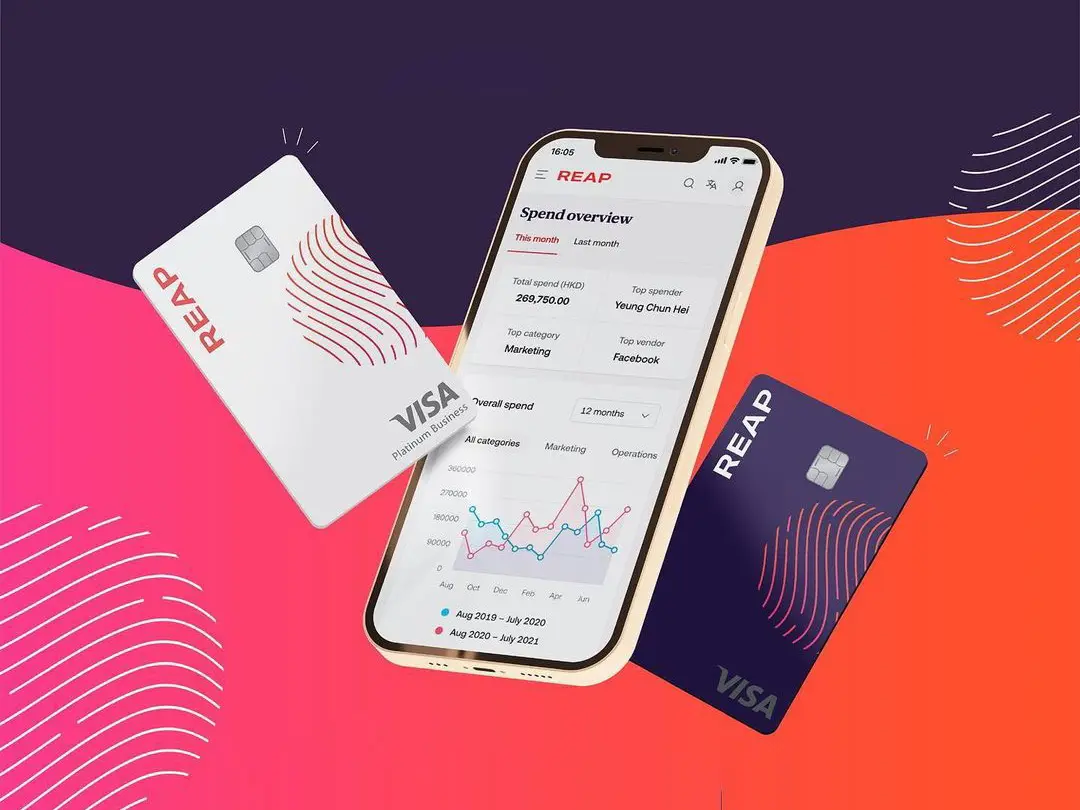
Reap’s platform integrates card networks, banking rails and blockchains on a single API and settles transactions in stablecoins, according to Arjun Sethi, Payward’s co-CEO. Sethi described the deal as giving Payward infrastructure built for continuous markets and programmable money, positioning Reap as the payments layer for what he called the next phase of finance.
Reap’s CEO and co-founder, Daren Guo, said the company nearly tripled its revenue and volumes last year and expanded its licensing footprint into South America. Both companies said Reap would continue operating as a standalone platform after closing, retaining its current leadership, brand and go-to-market approach – worth noting as a stated intention rather than a completed structural fact.
Why this matters for licensing and regional reach
The strategic logic cuts both ways. Joining Payward would help Reap expand into the US and Europe through licenses Kraken’s parent already holds, while the combined entity aims to extend stablecoin-powered payments infrastructure into the Middle East, North Africa and Latin America. That’s the stated ambition per the companies’ announcement – actual regional rollout still depends on the deal closing and subsequent regulatory work in each jurisdiction.
The cash-and-stock structure values Payward’s equity at $20 billion, a figure that puts the Reap deal in context alongside the company’s other recent moves. Payward has been one of the most acquisitive firms in digital assets over the past year, buying futures platform NinjaTrader for $1.5 billion in March 2025, derivatives platform Small Exchange in October, and tokenized equities firm Backed in December. The Bitnomial acquisition, announced in mid-April at up to $550 million, marked the first of two half-billion-dollar-plus deals in a single month before Reap.
Kraken separately became the first crypto firm to receive a master account with the Federal Reserve, and Sethi has confirmed the company filed confidentially for an IPO. Taken together, the card launch reads less like a standalone product decision and more like one piece of a broader build-out – payments rails, custody, derivatives, tokenized assets, and now a debit card meant to turn holdings into everyday spending power, echoing the original electronic-cash framing that crypto’s earliest advocates envisioned.
What to watch next
The near-term catalyst is whether the Reap acquisition actually closes in the second half of 2026 as expected, and on what terms if regulatory review in Hong Kong or the US introduces delays. On the card side, the questions that matter for actual users are state-by-state availability, the precise cashback tier structure tied to asset balances, and whether Krak brings any of its UK/EEA perks – like the Metal card tier – stateside.
None of this changes the underlying calculus for holders: a rewards debit card is a convenience layer, not a reason to change your allocation. But for anyone already sitting on Kraken balances, it’s a new spending rail worth understanding before the next statement cycle.
Follow CoinNews on X and Telegram for ongoing coverage of crypto payments infrastructure and exchange M&A.
About Author

About Author