


Binance.US Eyes CFTC DCM License to Break Into $25B Prediction Market
Binance.US CEO Stephen Gregory announced an August CFTC DCM license filing, aiming to offer prediction markets in a $25 billion regulated US arena.

Binance.US plans to file for a Commodity Futures Trading Commission designated contract market license in August, a move that would allow it to offer prediction markets – including event contracts on futures and options – to US customers, according to reporting by BeInCrypto. No filing has reached the CFTC yet.
CEO Sets August Timeline at Rare Evo Conference
Binance.US CEO Stephen Gregory disclosed the August filing target from the stage at the Rare Evo conference in Las Vegas, as reported by journalist Eleanor Terrett. Binance.US declined to comment beyond the CEO’s public remarks when contacted by BeInCrypto, leaving the conference statement as the only confirmed detail on record.
A DCM is the CFTC’s primary license category for venues listing futures, options, and certain event contracts – without one, a platform cannot legally offer those products to US traders. Applicants must satisfy 23 core principles under the Commodity Exchange Act, spanning market surveillance, financial resources, and system safeguards, and reviews routinely stretch across several months from the date of submission.
The announcement caps a sustained regulatory rehabilitation effort. US regulators dismissed a lawsuit against Binance.US in 2025, clearing a path for the exchange to rebuild its product line beyond spot trading. The DCM bid is the most structurally significant step in that rebuilding process – it would give Binance.US access to a derivatives and event-contract market that its larger regulated US competitors already occupy.
A $25 Billion Market Kalshi and Polymarket Already Control
Trading volume across CFTC-designated venues exceeded $25 billion in 2025, and exchange activity in event contracts specifically has accelerated sharply: roughly 1,600 event contracts were certified that year, compared with 131 in 2021. The market Binance.US is targeting has compounded from a niche product into a meaningful institutional and retail asset class inside four years.
Kalshi, which received its DCM approval in 2020, currently leads that volume. Polymarket now competes onshore through a regulated US intermediary structure, giving both platforms a liquidity and brand head start that a new entrant would struggle to close on product merit alone. Gregory‘s stated answer is bundling: prediction markets are planned to sit alongside perpetual futures and aggressive fee cuts as part of a broader push beyond spot trading – a cross-selling strategy that exchanges built on spot order flow are better positioned to execute than stand-alone prediction platforms.
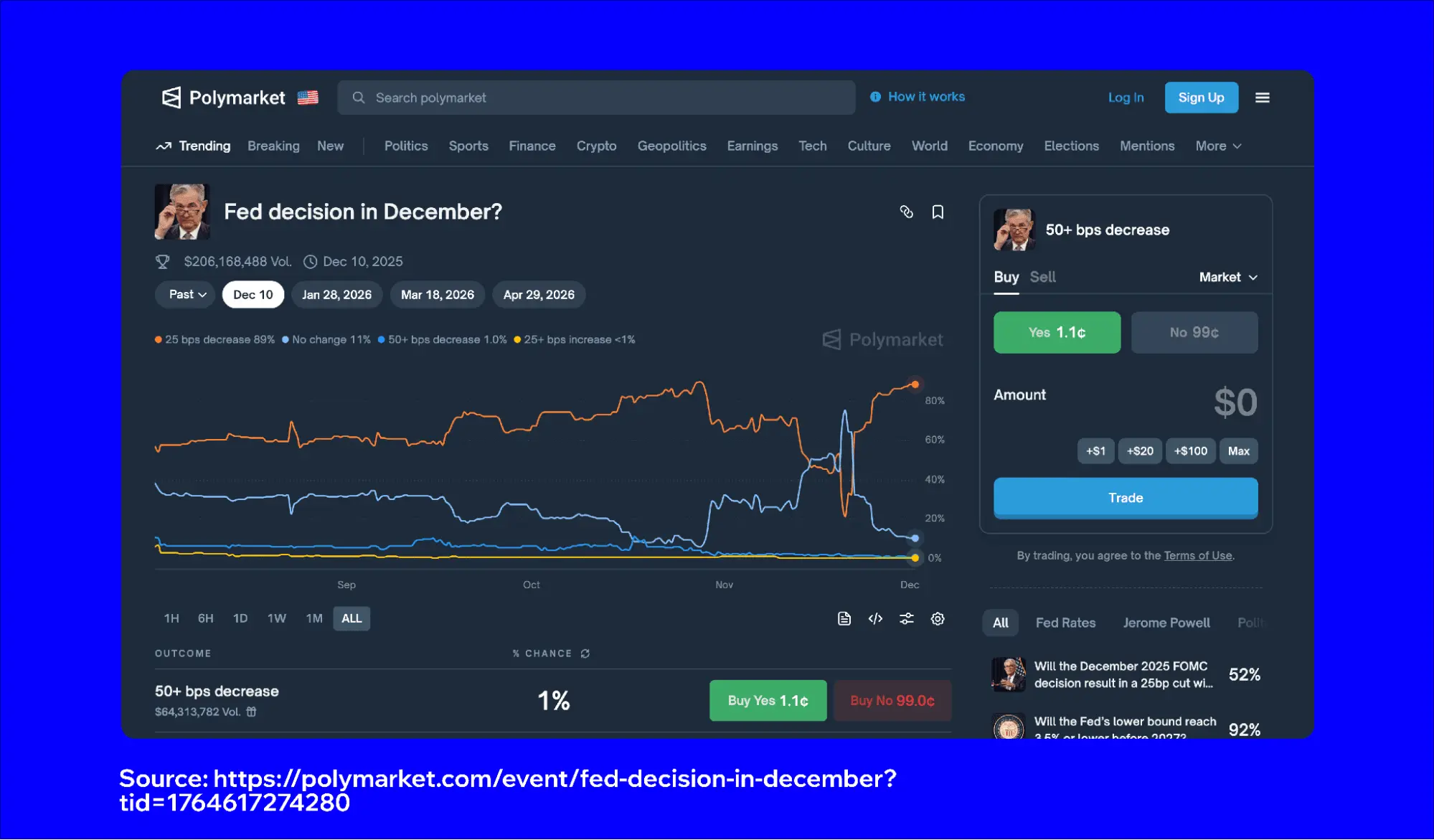
The competitive parallel is worth noting: BitMart’s recent operational restructuring illustrates how quickly exchange-level product decisions become existential when regulatory timelines slip. Binance.US has a narrower margin for execution error given its recent enforcement history, which makes the August filing date a hard checkpoint rather than a soft target.
Regulatory Rewrite and State-Level Friction Create a Two-Layer Hurdle
The CFTC itself is mid-rulemaking on the exact product category Binance.US wants to enter. The agency proposed a fresh framework for event contracts on June 10, addressing whether contracts referencing political outcomes, sports results, or certain economic indicators constitute illegal gaming or conflict with public-interest standards. The comment window on that proposal closed on July 27 – two days before Gregory‘s Rare Evo announcement – meaning the final rule that will define the permissible scope of Binance.US‘s product set has not yet been written.
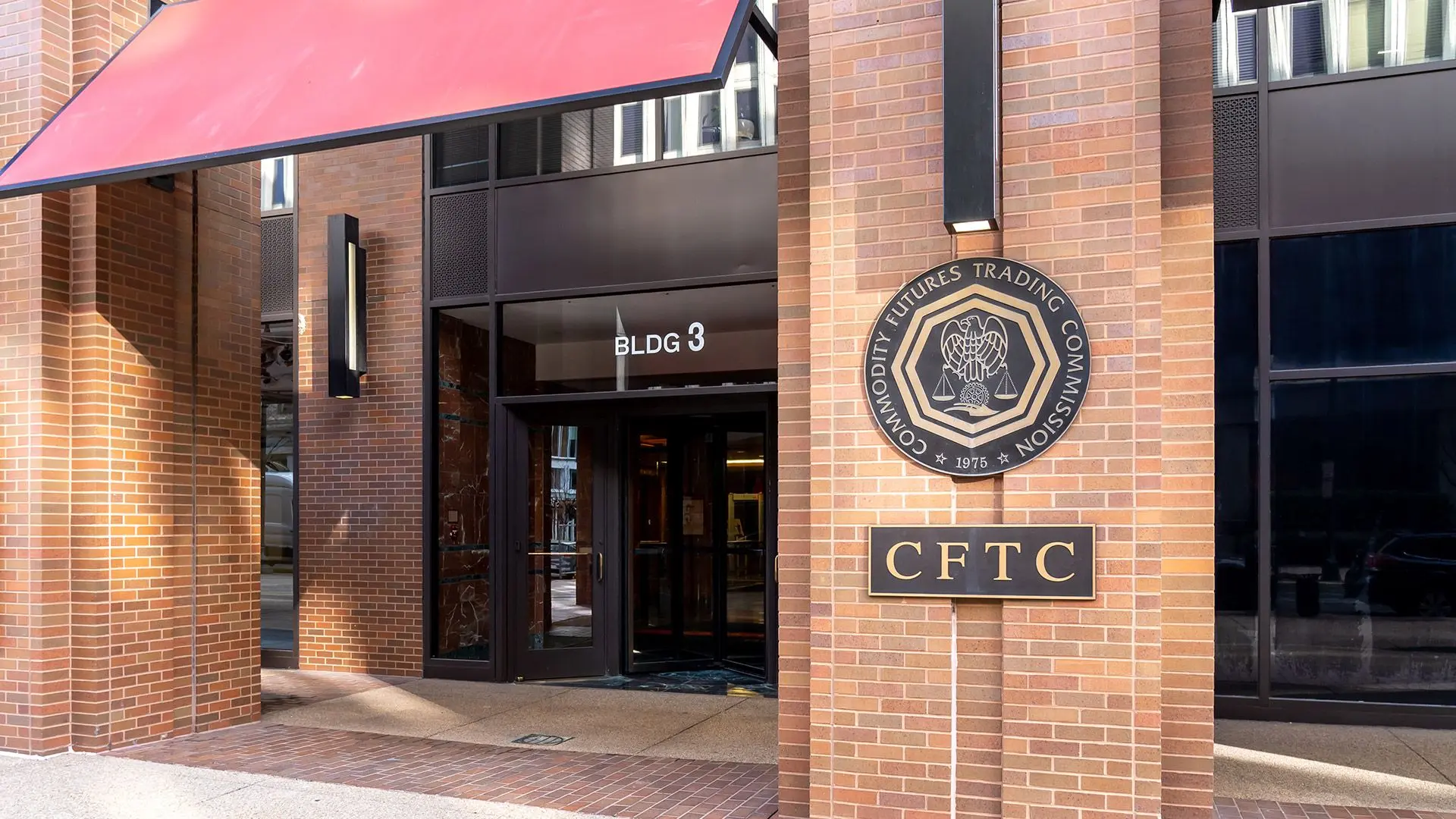
Federal licensing is only the first layer. State regulators have already pursued lawsuits against prediction market platforms in multiple jurisdictions, targeting sports and political contracts on the grounds that they function as unlicensed gambling operations. A CFTC DCM license does not preempt state-level enforcement in every context, and any platform seeking to offer politically linked or sports-linked markets at scale in the US faces a parallel compliance burden that federal approval alone does not resolve.
That dual-layer structure is the same regulatory environment shaping exchange behavior across the broader US market. The CLARITY Act’s progress through the Senate reflects the same underlying tension: federal frameworks for crypto derivatives and event contracts are being written in real time, and any application filed before those rules are finalized carries the risk of needing material revision once the regulatory text lands. Compliance lawyers familiar with the CFTC process have noted that Binance.US‘s August timing appears deliberately calibrated to the post-comment-period window, suggesting the exchange expects to have better visibility into the final rule landscape by the time its application is under review.
The broader pattern of exchanges navigating hard regulatory deadlines is not limited to the US. HTX faces an EU transaction ban tied to sanctions compliance this August – a reminder that named exchanges with enforcement histories are operating under compressed timelines across multiple jurisdictions simultaneously.
What the Next Milestones Actually Look Like
The August filing is the first hard checkpoint. Once submitted, the CFTC will open a public docket for the application, which may include a comment solicitation period – providing an early signal of how much regulatory friction the bid encounters from competitors, consumer advocates, or state officials. Given typical review timelines of several months at minimum, market access under a new DCM license is realistically a 2026 or early-2027 outcome, assuming no significant objections surface.
The finalization of the CFTC’s event-contract rulemaking will run in parallel and directly determine how broad Binance.US‘s initial product set can be. If the final rule restricts political or sports contracts – the highest-volume categories on competing platforms – Binance.US would enter with a structurally narrower offering than Kalshi currently operates. The fee-cutting and cross-sell strategy Gregory outlined at Rare Evo only generates competitive traction if the underlying product menu is wide enough to attract users away from entrenched liquidity pools.
The approval, if it comes, hands Binance.US a product its larger US competitors already sell. The August filing is where that process either starts or stalls – the market will be forced to price the outcome once the CFTC docket goes public.
Follow CoinNews on X and Telegram for live updates on CFTC regulatory developments and exchange licensing news.
Source: BeInCrypto via Yahoo Finance
About Author

About Author