

Belarus Allows Crypto Banks as Lukashenko Supports Cryptocurrency
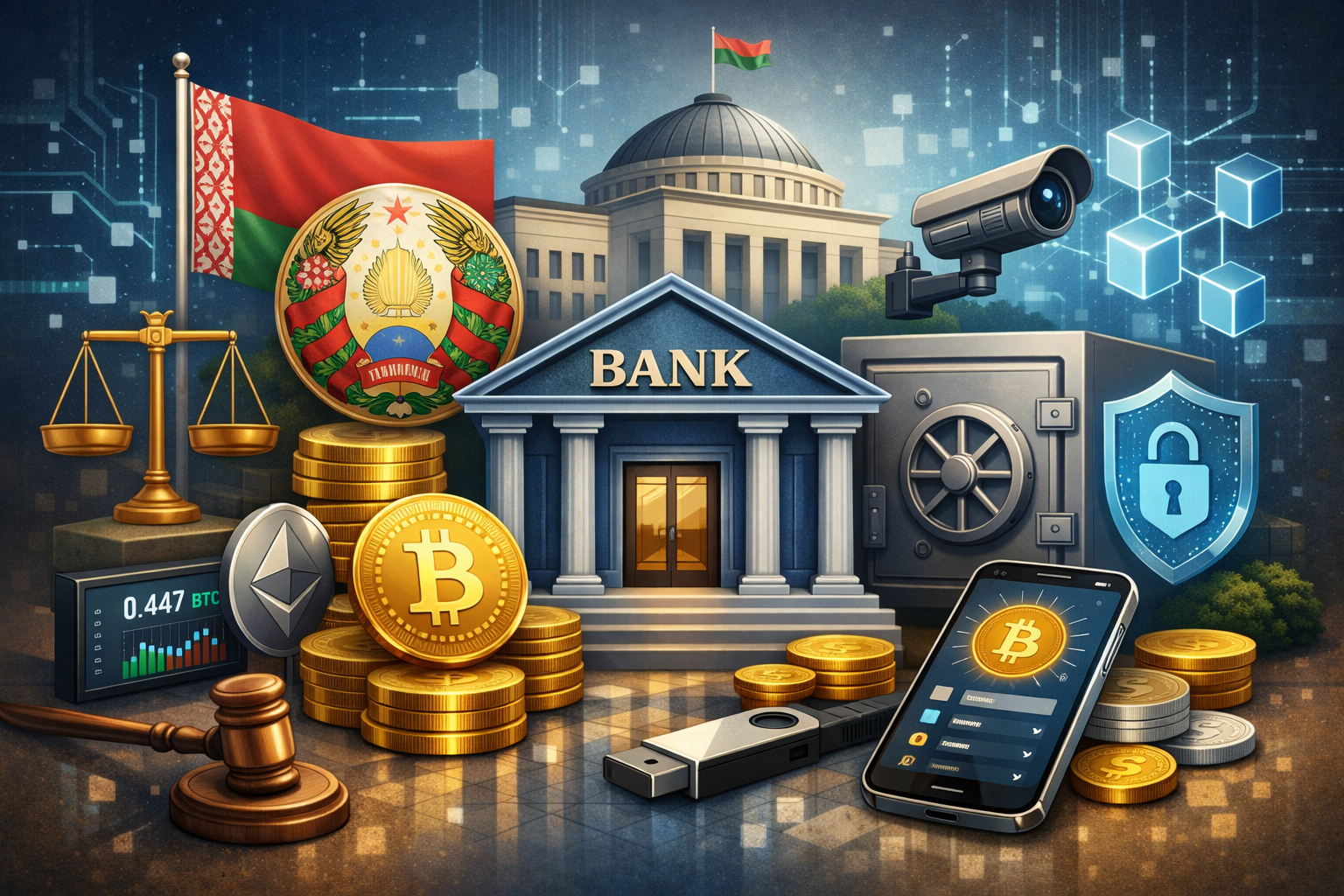
Belarus is taking steps to support cryptocurrency in the country as President Alexander Lukashenko has signed a new law that allows “crypto banks” to operate.
These banks can offer normal banking services and also work with digital tokens, such as cryptocurrency. The government says this move will help Belarus grow in financial technology and become more modern.
Under the news rules, a crypto bank in Belarus must be a joint-stock company. It must also get approval from the National Bank of Belarus and be registered in the High-Tech Park, which is a special zone for technology companies.
Once approved, these banks can combine traditional banking services with crypto services. This includes digital payments, token transactions, and other financial activities that use blockchain technology.
Belarus has supported crypto for several years. In 2017, the president signed a law that made digital assets legal. More recently, Lukashenko suggested that Belarus could start mining cryptocurrency. He said the country has extra electricity, which could be used for mining. He also believes there will be strong demand for crypto in the future. According to him, even big countries like the United States are now interested in digital assets.
Belarus Rules Sets Limits on Foreign Exchanges
The new law also explains how crypto banks will be controlled. They must follow the same rules as other financial institutions. They must also obey decisions made by the Supervisory Board of the High-Tech Park. This system is meant to keep crypto banks safe, legal, and well-regulated, while still allowing them to offer modern financial services.
The goal is to give people faster, easier, and more convenient financial services. By combining normal banking with digital tokens, customers can enjoy both security and new technology at the same time.
However, Belarus still keeps strong control over crypto use. Recently, the government blocked access to some big crypto exchanges, including Bybit, Bitget, and OKX. This was done under the country’s Mass Media Act. It shows that while Belarus supports crypto through official channels like crypto banks, it also wants to control how people access foreign crypto platforms.
About Author

About Author