

Best Altcoins to Buy as Top Experts Forecast New Bull Run
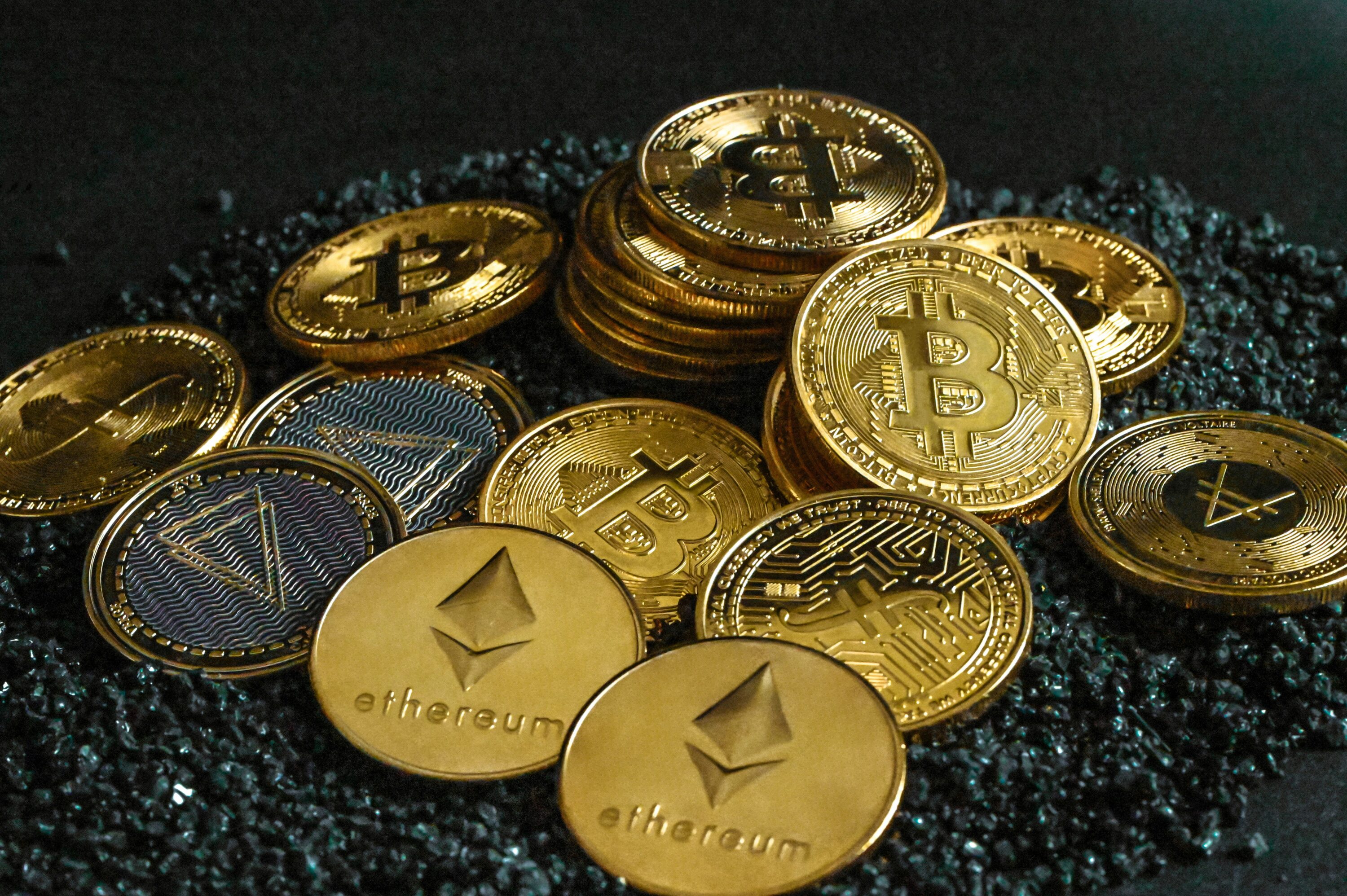
As Bitcoin holds firm amid oil price swings and ongoing geopolitical tensions, the broader cryptocurrency market is building fresh momentum. Ethereum has attracted similar attention through institutional moves and recovery efforts around key protocols – and leading analysts now point to these developments as signs that a new bull run could take shape soon, fueled by sustained institutional interest and maturing infrastructure across the space.
Crypto presales have also held up well in this setting, giving investors early access to projects with clear utility and strong early backing. This weekend, the best altcoins to buy include Bitcoin Hyper (HYPER), Cardano, and Zcash (ZEC), each of which is poised to capitalize on upside as adoption accelerates.
Bitcoin Hyper (HYPER)
Bitcoin Hyper is the first and fastest true Bitcoin Layer 2 network built to fix the main chain’s slow speeds and high fees. It lets users move BTC to the Layer 2 via a trust-minimized bridge, where the Solana Virtual Machine powers near-instant transactions, staking, DeFi protocols, and dApps. Security stays anchored to Bitcoin through zero-knowledge proofs and periodic state commitments back to Layer 1.
The HYPER token is available in presale at $0.0136794, and buyers can stake immediately for a 36% APY. The presale has raised more than $32.5 million, with steady inflows from participants who see the project as a practical way to unlock Bitcoin’s everyday utility. Tokenomics allocate 30% to development, 25% to treasury, and the rest to marketing, rewards, and listings, with a fixed total supply of 21 billion and no private sales.
As experts eye broader market expansion, Bitcoin Hyper stands out for directly addressing Bitcoin’s core limitations while preserving its unmatched security model. The project offers a clear path for growth as demand for scalable Bitcoin infrastructure increases.
Join the Bitcoin Hyper presale now!
Cardano (ADA)
Cardano is a proof-of-stake blockchain grounded in peer-reviewed research and the energy-efficient Ouroboros consensus protocol. The network emphasizes security, scalability, and real-world applications, having already processed more than 120 million transactions. Recent milestones include the Midnight mainnet launch for privacy-preserving apps powered by zero-knowledge technology, the first native Bitcoin-Cardano atomic swaps, and the expansion of USDCx stablecoin supply.
The native ADA token plays a central role in staking for network security, participating in governance decisions, and covering transaction fees. Development activity remains high, with the upcoming Van Rossem hard fork, Pyth oracles integration, and an $80 million Orion Fund aimed at real-world assets, DeFi, and Bitcoin liquidity bridging.
With the market showing signs of renewed strength, Cardano’s methodical approach to upgrades and its focus on sustainable, enterprise-grade infrastructure give ADA a solid foundation for future performance. The project continues to deliver measurable progress toward broader adoption and utility.
Zcash (ZEC)
Zcash delivers private peer-to-peer payments via zk-SNARKs, allowing users to choose between transparent and fully shielded transactions that hide amounts and addresses. Built on a Bitcoin codebase with proof-of-work security and a 21 million coin cap, it offers faster confirmations and fees that are a fraction of Bitcoin’s typical costs. Shielded ZEC currently stands at roughly 5.18 million out of 16.65 million in circulation.
Recent on-chain data shows rising interest in privacy features, with notable increases in trading volume and whale activity supporting price action. The network’s focus on user-controlled funds and end-to-end encryption aligns with growing concerns around financial privacy in both retail and institutional settings.
As regulatory scrutiny and user preferences shift toward greater data protection, Zcash’s established technology provides a reliable option for secure value transfer. The project is therefore well placed to benefit from wider market momentum and expanding demand for privacy-first assets.
About Author

About Author