


JPMorgan-Coinbase tie-up signals new era for crypto in traditional finance
The leading US bank and crypto exchange have partnered to let Chase users fund wallets, redeem rewards for USDC, and link accounts by 2026.
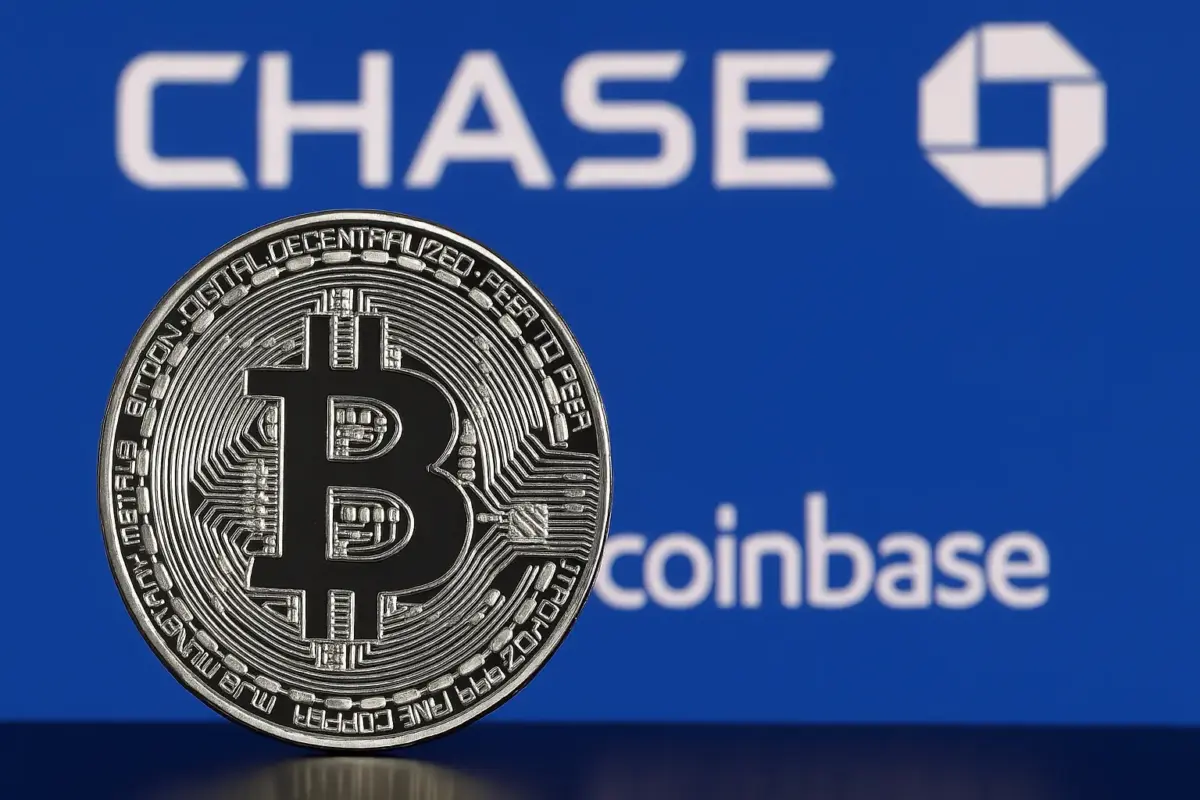
Coinbase and JPMorgan Chase are joining forces to make cryptocurrency more accessible to regular banking customers.
The two companies have announced a major partnership that will let millions of Chase users buy, earn, and manage crypto directly through services they already use. The rollout starts this autumn, with more features planned for 2026.
This partnership marks a big step forward in combining traditional banking with digital currency. It’s designed to make crypto easier to use, more flexible, and more familiar to people who already rely on Chase for their everyday banking.
Chase credit cards and rewards for crypto
The first change will come this autumn. Coinbase users will be able to use Chase credit cards to fund purchases on the crypto exchange.
This means customers won’t have to transfer money separately to Coinbase. Instead, they can simply use their Chase credit card, just as they would for any other online purchase.
But the bigger news is what’s coming next. In 2026, Chase customers will be able to redeem their Chase Ultimate Rewards points for crypto.
Specifically, they’ll be able to convert those points into $USDC, a stablecoin that is tied to the value of the US dollar. The exchange rate will be simple: 100 points equals 1 USDC.
This will be the first time a major US bank allows reward points to be turned directly into cryptocurrency.
According to Coinbase, it’s a major milestone that helps bring digital money into people’s everyday lives. Instead of using points for flights or gift cards, Chase customers can now use them to get into crypto.
Coinbase says the new setup gives customers three new ways to get involved with digital assets: spending, earning, and connecting their bank accounts directly.
“This partnership represents a turning point”, the company said in a statement. It aims to make crypto a regular part of how people manage money.
Linking Chase accounts to Coinbase
One of the most important parts of the deal is coming in 2026. Chase customers will be able to link their bank accounts directly to their Coinbase wallets.
This means they’ll be able to move money from their bank account to buy crypto – without needing third-party services or extra steps.
Right now, platforms like Coinbase use companies like Plaid or MX to get access to customer bank data. These services act as middlemen, collecting information and connecting it to crypto apps.
But the new partnership changes that. Coinbase will be able to pull customer data directly from JPMorgan Chase.
This will help reduce costs, speed up transfers, and improve security. It also removes an entire layer of services that many users don’t even know exist.
With this direct link, Coinbase can offer a smoother and faster experience when moving money from a Chase account to a crypto wallet.
JPMorgan Chase said the partnership is part of its push to give customers more control over how they manage and use their money.
The Head of Payments and Lending Innovation at JPMorgan, Melissa Feldsher, said: “This partnership marks a significant step forward in empowering our customers to take control of their financial futures”.
Coinbase noted that this is “just the beginning”, suggesting more features and integrations will follow in future updates.
While Coinbase will still work with third-party data providers like Plaid and MX for customers who use other banks, the Chase deal gives it direct access to a very large customer base. Coinbase confirmed that this is an addition to its current setup, not a replacement.
A new direction for crypto and banking
This partnership follows new guidance from US banking regulators about how banks can handle crypto safely.
Earlier this month, American regulators released a joint statement outlining rules for how banks should manage risks when dealing with digital assets. This has given banks like JPMorgan more confidence to move forward with crypto-related services.
By converting Chase points into USDC, and letting customers link bank accounts directly to wallets, Coinbase and JPMorgan are making it easier for people to get involved with crypto without leaving their trusted banking environment.
USDC is a stablecoin backed by real-world money, which makes it less volatile than other cryptocurrencies.
The points-to-USDC feature will work on Base, Coinbase’s own blockchain network. Base is built on Ethereum and is designed to make crypto transactions cheaper and faster.
It also supports the new Base App, which aims to help more people interact with blockchain tools through Coinbase.
This move is expected to encourage more users to join the Base network and help them get started with on-chain financial services.
JPMorgan is also exploring its own version of digital money. The bank has been working on tokenised deposits through its Kinexys platform.
One project, called JPMD, is a type of digital token that represents US dollars held at the bank. These tokens are different from stablecoins like USDC because they are backed by insured bank deposits and fit within existing banking rules.
JPMorgan believes that this kind of digital money might be preferred by regulators because it’s safer and more tightly controlled than some types of crypto.
The partnership with Coinbase fits into this broader strategy to explore safe and regulated forms of digital payments.
Industry pushback and data access concerns
Recently, the co-founder of the Gemini exchange, Tyler Winklevoss, spoke out against JPMorgan trying to limit how other platforms access customer data.
In a series of posts on X, Winklevoss said JPMorgan stopped working with Gemini after he publicly criticised the bank’s new data policies. The bank is planning to start charging fintech companies whenever they access user bank data – something that was previously free.
Winklevoss called these new charges “anti-competitive” and warned they could hurt crypto platforms by making it harder and more expensive for users to connect their accounts. “JPMorgan is abusing its position by weaponising access to the financial system”, he wrote.
He also said the bank’s attempt to restrict third-party services like Plaid is harmful. These services allow users to link their bank accounts to various apps. Without them, many fintech apps and crypto platforms would struggle to operate.
There have also been rumours that JPMorgan asked Gemini to find a new banking partner because it was no longer profitable for the bank. Gemini has denied these rumours, saying its relationship with JPMorgan is still in place.
Meanwhile, Gemini is preparing for its own major move. The exchange has filed for an Initial Public Offering (IPO) with the US Securities and Exchange Commission (SEC). It hasn’t yet revealed how many shares it plans to sell or at what price.
Tyler and Cameron Winklevoss, the founders of Gemini, have also made headlines for their political donations.
In 2024, they donated Bitcoin to Donald Trump’s campaign, but the money was returned because it went over the legal limit.
The partnership between Coinbase and JPMorgan Chase could be a sign of where the financial industry is heading. More people are using crypto, and traditional banks are starting to take notice.
By working together, these two major companies are showing that it’s possible to bring the worlds of banking and digital currency closer together.
The features launching this autumn and in 2026 are aimed at making crypto easier to use for everyday customers – whether it’s through spending credit card points, buying tokens with a credit card, or connecting a bank account to a crypto wallet.
As more regulations come into place and more partnerships like this one emerge, crypto could become a normal part of how people manage their money.
About Author

About Author




