


Crypto Markets Lose $80B After Fresh US Strikes on Iran Fuel Risk-Off Shock
Crypto Markets Lose $80B After Fresh US Strikes on Iran

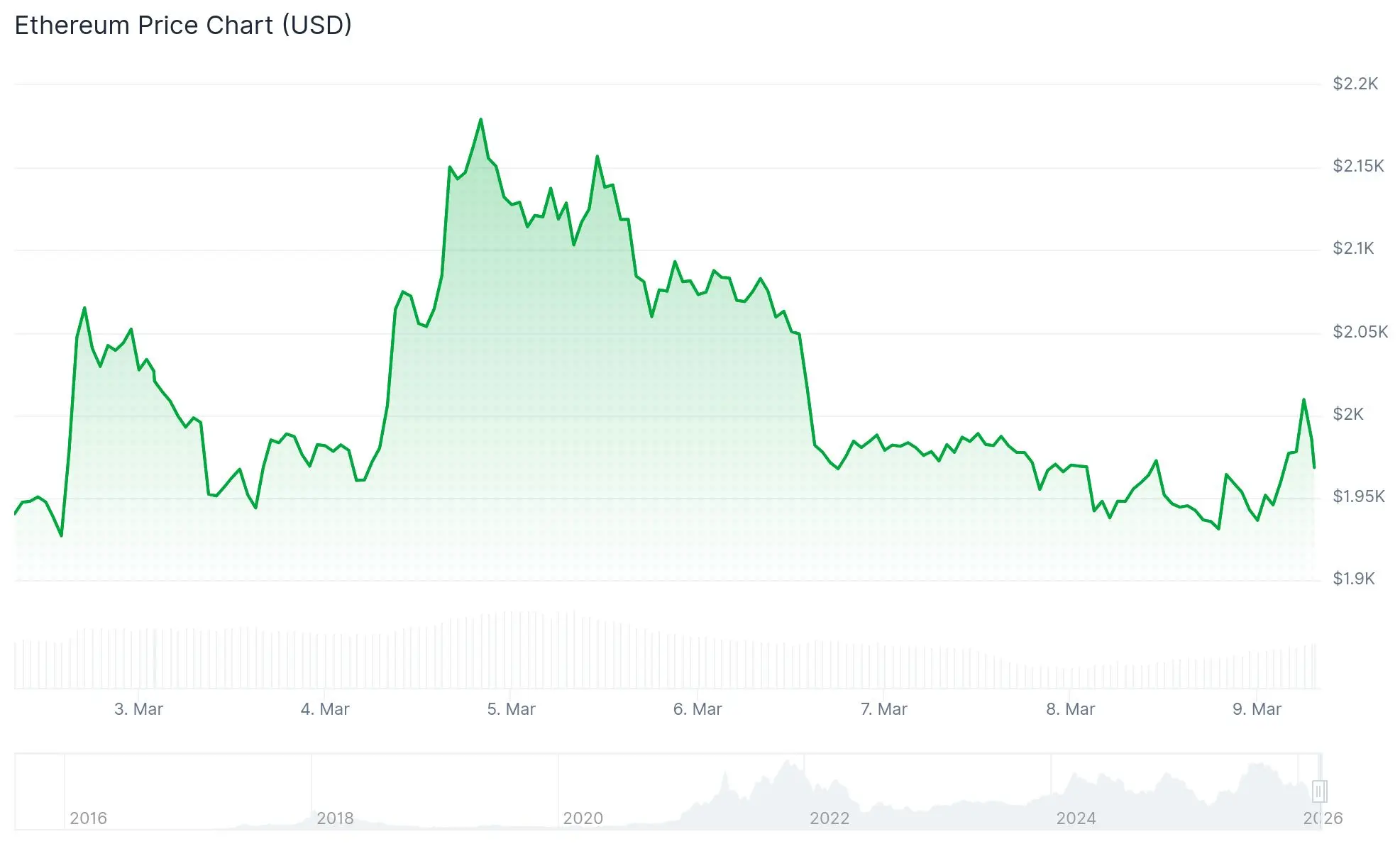
Fresh US military strikes on Iran erased approximately $80 billion in total crypto market capitalization in a single session, pulling Bitcoin below $73,000 and Ether below $2,000 as traders unwound risk exposure across leveraged positions and high-beta altcoins. Total crypto market cap slid from roughly $2.24 trillion to $2.17 trillion within an approximately one-hour window, according to TradingView data compiled by Finbold, with the move concentrated in futures liquidations rather than sustained spot selling. The transmission mechanism is the standard risk-off sequence: oil spikes on supply disruption fears, inflation expectations reprice higher, and dollar-denominated risk assets – crypto included – absorb the first wave of forced exits.
Against that backdrop, prior geopolitical flash-sale entries near $79,000 are now being cited by some traders as the reference template for how these episodes tend to resolve – a sharp intraday drawdown followed by stabilization once the immediate liquidation cascade clears. Whether this episode follows that pattern depends on whether escalation continues beyond the current strike cycle.
US–Iran Strikes Rattle Risk Assets as Oil and Liquidation Pressure Compound
The geopolitical shock arrived through a well-worn macro channel: fresh US strikes on Iranian targets pushed Brent crude sharply higher on supply-disruption pricing, feeding directly into inflation expectations at a moment when Federal Reserve policy remains data-sensitive. Equity futures softened alongside crypto, but the damage in digital assets was disproportionate given the leverage embedded in crypto derivatives markets versus equity structures.

Over 172,000 traders were liquidated in the immediate aftermath, with total futures liquidations reaching approximately $680–700 million, the majority long positions caught offside by the abrupt move, according to Coinglass-based analyses. Bitcoin liquidations alone accounted for roughly $150 million, Ethereum for close to $280 million, while Solana, XRP, and Dogecoin combined for over $22 million in forced closes. Market commentary from TMGM noted that “exits from risky assets may continue due to high volatility and the search for safe havens in war environments,” flagging leverage avoidance as the immediate priority.
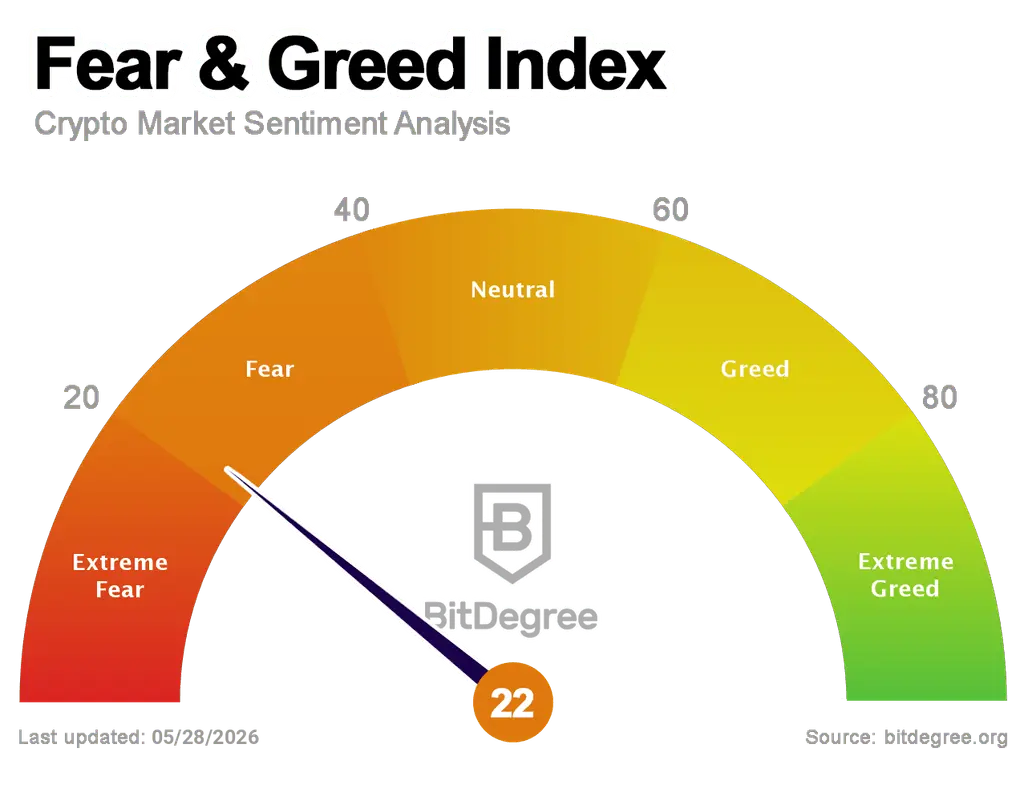
The Crypto Fear & Greed Index retreated toward 46 – neutral, leaning risk-off – a measurable sentiment shift from the greed readings that characterized the prior two weeks. That reading matters because it signals the selloff has begun repricing speculative positioning broadly, not just in the tokens directly exposed to the news catalyst.
Bitcoin Technical Levels: What the $73,000 Break Means for Near-Term Structure
Bitcoin’s move below $73,000 is technically significant because it breaks the psychological level that had served as a lower bound through several prior Middle East shock episodes since late 2024. The 50-day and 100-day exponential moving averages are clustered in the mid-$70,000 range, and a daily close that reclaims those levels would preserve the broader constructive bias that analysts have cited through this geopolitical cycle. A failure to recover above the 50-day EMA on a closing basis would shift near-term structure from corrective to potentially distributive.
The 200-day EMA near the low-$80,000s remains the key resistance above: if Bitcoin stabilizes current levels and geopolitical headlines cool, a reclaim of that average reopens the path toward $90,000–$100,000, consistent with the pattern observed after prior Iran-linked selloffs. If escalation widens – particularly any move toward Strait of Hormuz infrastructure – traders are watching whether the mid-$70,000 EMA cluster absorbs selling or gives way to a test of the $65,000–$68,000 range that served as a base earlier in the cycle.
Altcoin damage has been more severe than BTC on a percentage basis, which is consistent with every prior risk-off episode in this geopolitical sequence. Ethereum fell more than 5% to below $2,300, Cardano dropped approximately 6% to a three-month low, and AI-linked tokens including VIRTUAL and FET shed close to 10% in the session. Institutional capital rotation patterns during prior volatility episodes have consistently shown Bitcoin retaining relative value while high-beta altcoins absorb the largest percentage drawdowns – a dynamic repeating here.
For traders assessing re-entry timing, dip-buying strategies after geopolitical-driven market crashes have historically favored waiting for the liquidation cascade to exhaust before establishing positions, rather than catching the initial drop. Options market funding rates and whether open interest rebuilds in a spot-led rather than futures-led manner will be the cleaner signal for when that exhaustion point is reached.
The broader pattern since late 2024 – multiple Middle East shocks triggering short-lived drawdowns before Bitcoin attempts to reclaim key psychological levels – remains intact on the data, but each escalation step carries the risk of being the one that breaks the recovery template. Traders are watching for any follow-on US or Iranian action, particularly around energy infrastructure, and for official US leadership statements that could either contain or widen the conflict framing across risk markets.
Follow CoinNews on X and Telegram for the Latest Crypto Market Updates and Professional Market Analysis.
About Author

About Author