


Governor Andrew Bailey Highlights Stablecoin Potential to Reduce Bank Reliance
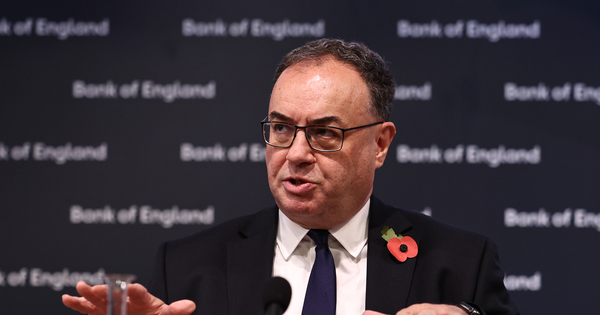
Bank of England Governor Andrew Bailey says stablecoins could play an important role in payments by reducing how much people depend on traditional banks.
Bailey explains that with the right rules in place, stablecoins can bring more efficiency, competition, and resilience to the financial system.
Bailey Backs Stablecoins to Reform Banking and Payments
In the Financial Times article, Bailey explained that the current financial system combines money with lending through what’s called fractional reserve banking, which results in most assets being backed by risky loans.
He suggests that money and lending could be partly separated, allowing stablecoins to operate alongside banks, while non-bankers provide more credit.
Bailey supports stablecoins but stressed they must rely on safer assets, carry insurance against risks like hacks, and follow clear exchange rules. He also said innovation can improve money, so opposing stablecoins would be wrong, and he sees them bringing new ideas to payment systems.
Bank of England Considers Stablecoin Adoption
Bailey announced that the Bank of England will soon release a plan on how to regulate stablecoins in the UK. The framework would apply to stablecoins used as money, either for everyday spending or for settling large financial transactions.
He said stablecoins widely used in the UK should be given accounts at the Bank of England, allowing them to be treated like real money. This step would let the UK benefit from stablecoins while keeping the financial system safe.
Bailey’s comments came after the UK cryptocurrency industry advocacy groups criticized the Bank of England’s plan to limit individual stablecoin holdings.
According to the industry groups, enforcing the limits would be difficult, expensive, and could leave the UK behind other countries in the stablecoin market. Tom Duff Gordon, the vice-president of international policy at Coinbase, added that no other markets have imposed such caps.
About Author

About Author