

Kakao and Naver Deepen Stablecoin Plans as Korea Advances Digital Asset Rules
The move comes amid major mergers, new regulations and shifting global markets reshape the nation’s digital finance landscape.
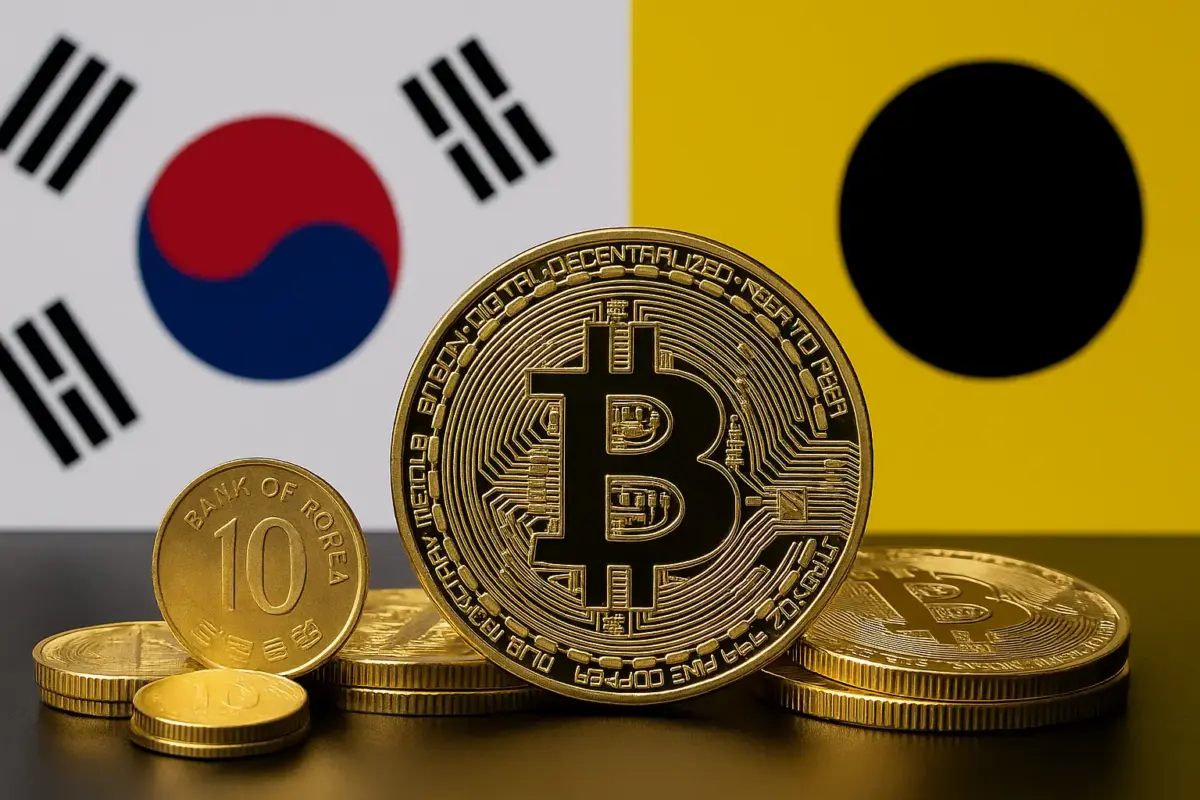
South Korea’s biggest tech and finance firms are accelerating their push into stablecoins at the same time lawmakers rush to define the country’s regulatory framework. Kakao Bank is moving from internal reviews to full-scale development of its own stablecoin system, while Naver is preparing a major merger that will connect its payment ecosystem directly to Upbit, the nation’s largest crypto exchange.
Their initiatives come during a period of global stablecoin growth, rising market pressure, and a sudden pullback in sector liquidity that has caught the attention of regulators worldwide.
Amid all of this, South Korean lawmakers continue debating legislation that will ultimately determine how quickly these companies can bring their digital currency plans to market. Until rules are finalized, firms are building cautiously, hoping to be ready the moment the legal environment becomes clear.
Kakao Bank has reportedly shifted from internal analysis to hands-on development of its planned stablecoin, often referred to in local media as “Kakao Coin.” According to recent reports, the bank has begun assembling a development team to build the blockchain infrastructure needed to issue and operate the new digital asset.
The effort marks one of the clearest signals yet that Kakao intends to enter the stablecoin arena using its massive user base in messaging, banking, and payments to drive adoption.
The project is being pushed forward under the guidance of Kakao founder, Kim Beom-soo, who was acquitted in October in his first trial involving allegations of stock price manipulation. His legal challenges previously cast uncertainty over Kakao’s expansion into digital finance.
A conviction might have forced Kakao to reduce its ownership stake in Kakao Bank from 27.16% to the regulated limit of 10%, potentially jeopardizing its leadership position and its ability to launch new businesses.
With the acquittal behind him, Kim has taken a more active role in long-term strategy as the head of Kakao’s Future Initiative Center. The center oversees the group’s growth plans in areas such as blockchain, artificial intelligence, and digital finance.
A Kakao Bank official described the company’s new developer hiring as an effort to “supplement human resources for research on blockchain and stablecoin technology” and noted that the bank is examining how blockchain systems might apply to its broader range of financial services.
Kakao Bank’s recruitment listings show that new developers will be responsible for designing blockchain service backend infrastructure, building transaction processing systems, and managing cryptographic keys.
The job requirements include knowledge of full-node operations, token standards, and smart contracts, all skills that strongly suggest Kakao intends to operate its own blockchain-based financial services.
This new development stage follows months of internal planning. Kakao formed the Korean Won Stablecoin Joint Task Force in late August, bringing together Kakao, Kakao Bank, and Kakao Pay to coordinate stablecoin and tokenization initiatives.
The group is said to hold weekly meetings focused on building a digital financial ecosystem centered on blockchain payments and settlement systems. Kakao Pay has already filed for six potential stablecoin tickers, including KKRW and KRWP, hinting at how branding might evolve once official products are launched.
Kakao also expanded its blockchain strategy by partnering with Korea Investment & Securities and Lucent Block to explore blockchain-based securities offerings. These efforts include the development of tokenized financial products that use smart contracts to establish ownership records, verify investor rights, and automate dividend distribution.
Kakao’s push comes amid a broader global surge in stablecoin use. TRM Labs recently reported that stablecoins made up about 30% of all on-chain crypto transactions in 2025, with record activity recorded in August of this year.
Financial institutions worldwide are deepening their use of digital assets, even as regulatory barriers continue to slow progress in some regions. Kakao is positioning itself to be a major issuer in South Korea despite operating in what remains a largely unregulated environment.
South Korea’s National Assembly has yet to pass a comprehensive stablecoin law, leaving companies to advance their projects without full clarity. That uncertainty forces firms like Kakao to move carefully as they compete with both domestic rivals and global stablecoin issuers.
Naver and Dunamu Prepare Landmark Merger to Accelerate Stablecoin Expansion
While Kakao advances its own blockchain ecosystem, Naver is preparing a merger that could redefine how stablecoins function within South Korea’s financial landscape. On Wednesday, Naver Financial and Dunamu, the operator of Upbit, are set to hold board meetings to approve an equity swap that will turn Dunamu into a wholly owned subsidiary of Naver. The deal, valued at roughly 20 trillion won, will combine Naver’s massive payment infrastructure with the country’s most dominant crypto exchange.
The scale of the merger is striking. Naver handles about 80 trillion won in annual payment volume through its financial services, while Upbit leads the Korean crypto market with a commanding share. Under the terms being reported, Dunamu founder Song Chi-hyung will receive a 30% stake following the transaction, which reduces Naver’s share to 17%.
Once completed, the merger could allow stablecoins to circulate instantly across Naver’s platforms, from its shopping services to its payment apps. The partnership is expected to lean heavily on Dunamu’s extensive experience navigating South Korea’s regulatory environment.
Industry analysts told local media that the combination of artificial intelligence, data, payments, and digital asset expertise could set a new standard for stablecoin rollouts in the country.
The deal also raises the possibility of a U.S. listing. According to reporting, the merged entity could consider an overseas listing once regulatory rules are finalized in South Korea. That timeline remains uncertain, but the companies appear to be structuring their plans around the expectation that the government will eventually approve stablecoins backed by the Korean won.
Naver itself has already stepped into the stablecoin arena. Its financial arm reportedly launched a wallet service supporting a Busan-based stablecoin initiative, indicating broader interest in digital payment models.
The Naver-Dunamu merger would give the company direct access to Upbit’s deep liquidity and crypto infrastructure, creating a unified ecosystem that could compete with global stablecoin issuers once domestic rules are settled.
Lawmakers Advance Stablecoin Bills as Market Volatility Hits the Sector
Even as South Korea’s largest tech firms push ahead, regulation remains the biggest barrier to widespread stablecoin adoption in the country. Majority Floor Leader, Kim Byung-kee, recently introduced the “Value-Stable Virtual Asset Issuance and User Protection Act,” a bill designed to impose strict oversight on stablecoin issuers.
The proposal requires issuers to maintain 100% reserves in cash or sovereign bonds and maintain a 3% contingency fund. The bill also mandates that stablecoins be issued on public blockchains such as Ethereum or Solana.
Additional rules include a ten-day redemption window and limits on interest or economic rewards tied to the stablecoin. International issuers such as Tether and Circle would also be required to register and obtain a license to operate in South Korea.
Licensing oversight would fall to the Financial Services Commission, while the Bank of Korea would monitor risks. However, both agencies continue to debate jurisdiction, particularly over matters related to monetary policy.
Lawmakers are reviewing more than a dozen digital asset bills, but disagreements among regulators could delay final action. Industry executives say that without a clear legal framework, companies must prepare for multiple outcomes, even as they attempt to build systems that are ready for rapid rollout once approval comes.
Their efforts are unfolding against a backdrop of shifting global market conditions. After steady growth throughout the year, fresh data from DeFiLlama shows that the stablecoin sector lost roughly $6 billion in value this month, marking the sharpest decline since the collapse of Luna and UST in 2022. Market capitalization briefly touched highs above $330 billion before falling to around $324 billion within days.
Redemptions were concentrated among major issuers, especially USDT. Analysts point to a mix of rising traditional market yields, weakness across Bitcoin and crypto ETFs, and leveraged unwinding as drivers of the pullback.
Regulatory uncertainty in regions such as the U.S. and Europe has added further pressure. As one market watcher put it, “falling prices reduce confidence, and shrinking confidence leads to more redemptions,” creating a feedback loop that can push liquidity lower.
The contraction matters because stablecoins serve as the primary liquidity source across crypto markets. When the supply shrinks, trading volumes often fall alongside it. Some analysts say the drop may help reset excessive leverage, while others warn it could be the early signal of deeper year-end stress. Whether the decline becomes a temporary correction or the start of a longer downturn may become clear in December.
For South Korea, the timing is critical. The country’s newly elected President Lee Jae Myung has named a Korean won-backed stablecoin as one of his core policy goals. He has argued that domestic stablecoins are necessary to protect Korea’s monetary sovereignty in a market dominated by U.S. dollar-based tokens. The ruling party has also backed the Digital Asset Basic Act, which establishes the framework for issuing regulated asset-backed tokens.
Against this backdrop, Kakao and Naver are moving aggressively to position themselves at the forefront of South Korea’s emerging stablecoin economy. Whether their projects become central pillars of the country’s next financial era, or remain stalled in development, will depend largely on how quickly lawmakers resolve the long-standing regulatory disputes that have held up the sector.
About Author

About Author