


Bybit’s 200-Plus Product Push Reaches Private AI and Robotics
Bybit adds Unitree and Moonshot AI to its pre-IPO perpetuals, expanding synthetic private-market exposure while leaving key risks unresolved.

Bybit has added Unitree and Moonshot AI to its pre-IPO perpetuals lineup, pushing a TradFi product catalog that already spans equities, ETFs, commodities, and indices past 200 offerings. The two new contracts give traders synthetic exposure to private-company valuations without requiring share ownership or a brokerage account.
What the New Contracts Actually Do
Pre-IPO perpetuals are derivatives tied to a company’s implied valuation rather than actual equity. There’s no expiration date, no IPO date required, and no share settlement – traders go long or short on where the market thinks a private firm is worth, with positions settled in USDT.
According to reporting from Crypto Briefing, the new listings trade under the tickers UNITREEUSDT and MOONSHOTUSDT, and neither Unitree nor Moonshot AI has endorsed or is affiliated with the contracts. That distinction matters: Bybit is constructing a price feed for an asset that has no public market to reference, which is a very different risk profile than trading a listed stock’s futures.
Bybit hasn’t disclosed which jurisdictions can access the new contracts, what margin requirements apply, or what fees traders will pay. The exchange also didn’t say what’s coming next to the roster, though the pace of recent additions suggests more names are likely.
Who Unitree and Moonshot AI Are
Unitree is a Chinese robotics firm best known for its quadruped robots, a product category that’s become a visible proxy for how fast industrial and consumer robotics is moving. Moonshot AI is a Chinese AI startup behind the Kimi large language model, competing in an increasingly crowded generative AI field across Asia.
Both companies remain private with no confirmed public listing timeline. That’s precisely what makes them fit for a pre-IPO derivatives desk – traders are pricing an implied valuation that has no consensus benchmark, which cuts both ways for anyone taking a leveraged position.
Bybit’s Broader Push Into TradFi
The Unitree and Moonshot AI additions aren’t an isolated move. Bybit has been stacking traditional financial instruments onto its platform for a while, and clearing 200-plus products is the clearest signal yet of how far that expansion has gone.
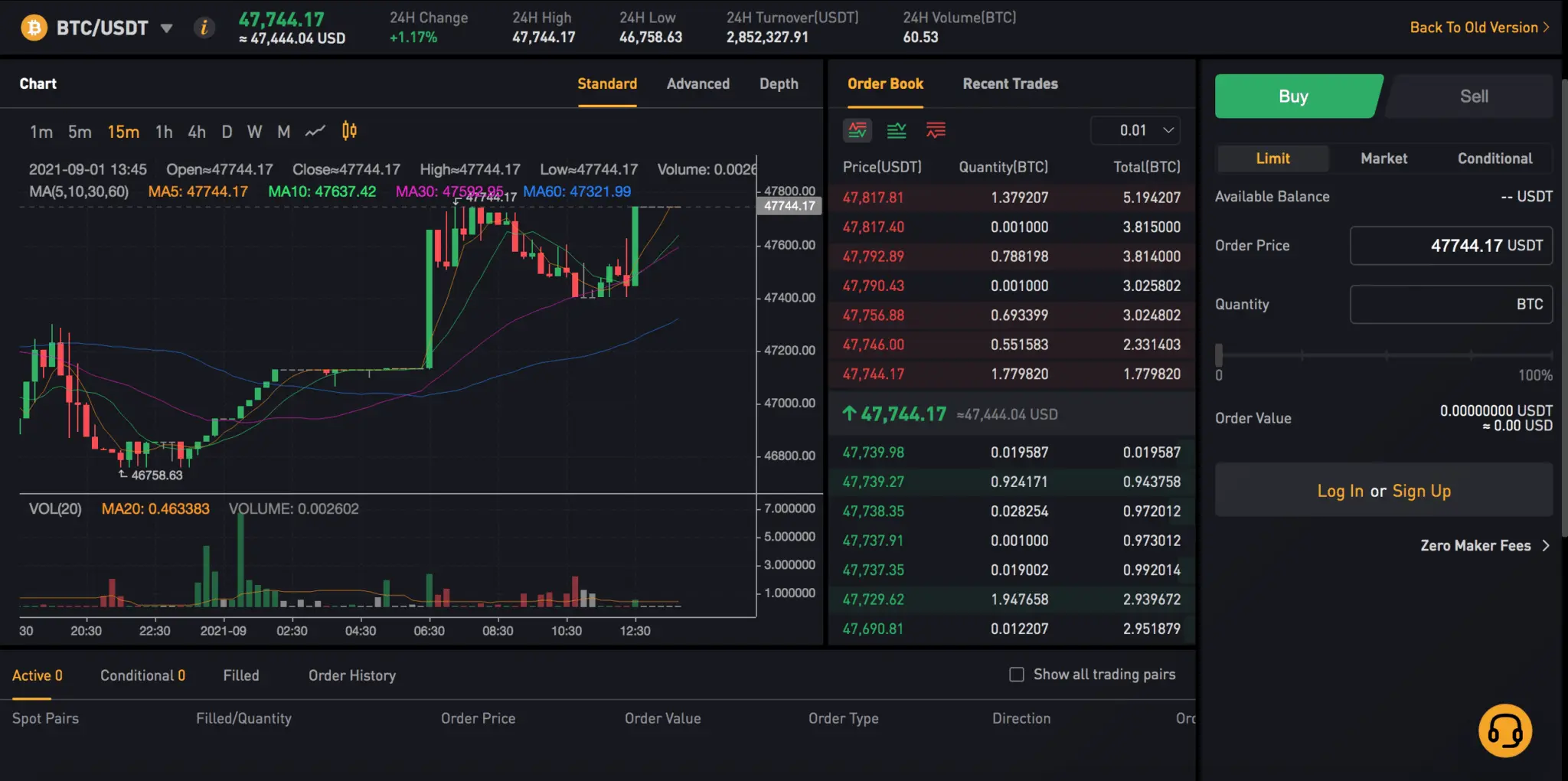
The logic across the exchange industry is straightforward: traders who already have capital parked on a crypto platform shouldn’t need to open a separate brokerage account to get equity or commodity exposure. Keep users inside the ecosystem, give them more instruments to trade, and retention should follow. Crypto Briefing frames the broader pattern as Bybit building something close to a synthetic multi-asset brokerage, all denominated in crypto and running alongside its core derivatives business.
That expansion mirrors moves elsewhere in the industry, where exchanges are pursuing new derivatives-style market products to broaden their footprint beyond spot and perpetual crypto trading. Tokenized and pre-IPO instruments both point toward the same trend – digital-asset infrastructure increasingly overlapping with private and traditional securities markets, whether through tokenization, synthetic derivatives, or licensed brokerage-adjacent products.
The Risk Sitting Underneath the Trade
The core issue with any pre-IPO perpetual is price discovery. There’s no public order book establishing what Unitree or Moonshot AI is actually worth, so the contract price is Bybit’s construction rather than a market consensus.
Layer leverage on top of an already opaque private valuation and the downside math changes fast. Funding rate mechanics on perpetual contracts can also erode a position over time if positioning skews heavily to one side, which is a real possibility on a name as narrow and news-driven as a Chinese AI startup riding a hype cycle.
Neither company has any relationship with the contracts tracking them, which raises a fair question about how accurate the underlying price feed actually is. Traders treating these as a clean proxy for Unitree’s or Moonshot AI’s real-world valuation should understand they’re trading Bybit’s synthetic construction of that valuation, not the valuation itself.
Regulatory Ground Is Still Unsettled
Regulatory treatment of pre-IPO derivatives varies sharply depending on jurisdiction, and Bybit hasn’t clarified where these contracts are or aren’t available. What counts as a compliant private-company derivative in one region can be flagged as unregistered securities exposure in another, and that gap is exactly where exchanges pursuing this kind of product tend to run into friction.

For Bybit specifically, the TradFi build-out also functions as a branding exercise. The exchange has faced scrutiny in multiple jurisdictions over the years, and a diversified, institutional-looking product suite sends a signal to regulators and institutional counterparties that it’s operating like a serious financial platform rather than a pure crypto derivatives venue. Whether that framing holds up under closer regulatory review is a separate question entirely.
What to Watch Next
Bybit hasn’t confirmed what’s landing next on the pre-IPO shelf, but the cadence of recent additions makes further listings likely. Traders should also watch for any disclosure on margin terms, fee structures, or jurisdictional restrictions on the Unitree and Moonshot AI contracts specifically, since none of that has been published yet.
The bigger signal is directional: Bybit wants a single login covering crypto, commodities, equities, ETFs, and now named private-company exposure. Whether that consolidation strategy pays off in retention – or invites more regulatory attention – will likely become clearer as the roster keeps growing past 200.
Follow CoinNews on X and Telegram for ongoing coverage of exchange product launches and crypto market structure.