


SEC Puts Brakes on Trump’s Truth Social Bitcoin ETF and Other Crypto Funds
The SEC has delayed decisions on the Truth Social Bitcoin ETF and Grayscale’s Solana Trust, extending review periods
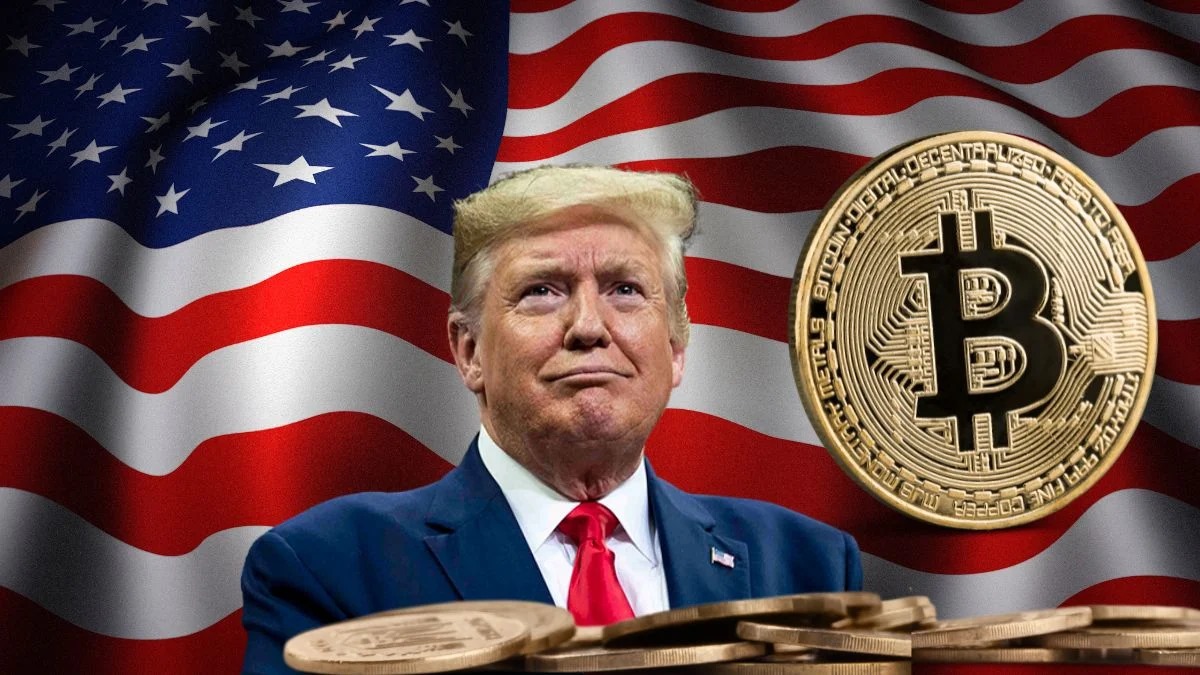
The United States Securities and Exchange Commission (SEC) has paused its decision on Trump’s Truth Social Bitcoin ETF and other Crypto funds, extending their review periods as the U.S. Congress proceeds with Crypto regulation.
SEC Delays Truth Social Bitcoin and Other Crypto ETFs Decisions
The SEC postponed its decision on several crypto-related funds, including Truth Social Bitcoin ETF and Grayscale’s Solana Trust, as it continues to take a cautious regulatory approach.
The SEC extended the review deadline of the Truth Social Bitcoin ETF from August 4th to September 18th. The fund, backed by the Trump Media and Technology group, is seeking approval to trade on the NYSE Arca exchange under the SEC’s commodity-based trust share framework.
The agency, which can take up to 270 days to approve or reject ETF applications, said the extension provides more time for them to evaluate the proposal and any concerns raised. Grayscale’s Solana Trust decision was also postponed to Oct. 10, along with Canary Capital’s proposed Litecoin ETF.
Hester Peirce, a commissioner on the SEC, nicknamed “Crypto Mom” for her pro-crypto stance, recently urged industry stakeholders to expect slower approvals. During an interview with Bloomberg in May, she noted that the ongoing litigation and other considerations are causing the delays.
Still, today’s delays are faster than in the past, as it took over a decade for the SEC to approve the first spot Bitcoin ETF application in 2013, which eventually happened in January 2024.
Trump-Linked Crypto ETF Sparks Ethical Concern
If approved, the Truth Social Bitcoin ETF would be the first crypto ETF linked to a sitting U.S. president’s business interests. While the SEC has not officially drawn any objection to the ETF itself, other Trump-linked crypto deals have raised ethical concerns, especially among Democrats.
In May, Senators Elizabeth Warren and Jeff Merkley sent a formal letter to the Office of Government Ethics, calling a Trump-linked crypto deal involving World Liberty Financial, Binance, and a United Arab Emirates (UAE) firm “a staggering conflict of interest.”
There are growing concerns that Trump could gain from crypto-related regulatory decisions, especially if the SEC approves products linked to his brand.
Trump’s deeper involvement in crypto policy has raised questions about fairness. On July 18, he signed the GENIUS Act, the first major U.S. law creating clear rules for stablecoins.
A week later, on July 25, FHFA Director William J. Pulte, appointed by Trump, ordered the agency to prepare proposals that would allow unconverted crypto holdings to count as assets in single-family mortgage applications, without needing to convert them to U.S. dollars.
About Author

About Author




