


New Cryptocurrency to Buy: Top 15 Presales & Fresh Listings in 2026
For investors comparing the best new crypto to buy, this guide assesses early-stage presales and recently listed assets with distinct utility and risk profiles. We use utility, tokenomics, security considerations, and risk as the key comparison criteria because new-token markets are crowded and highly speculative.
We evaluated 50+ projects through the CoinNews Scoring Framework and narrowed this list to 16 that met our threshold: verified team credentials, audited smart contracts, a clear use case, and realistic tokenomics. Nine are still in presale, and seven already trade on public markets. The full methodology is published at the end of this article.
The selection spans Bitcoin Hyper’s Layer-2 infrastructure, privacy-focused Midnight on Cardano, AI prediction markets from Rain on Arbitrum, and Plume’s RWA chain that processed $1.25 billion in asset commitments. Each project addresses a different market gap, from quantum-resistant security to permissionless lending, and we’ve flagged the specific risks alongside every entry.
Top New Cryptos to Invest in 2026
The tokens listed here combine credible leadership, genuine utility, and significant growth potential for readers comparing the best new crypto to buy. Since they are new crypto projects, you should exercise caution before investing in them, just to be on the safe side.

- Introducing the first Bitcoin L2 solution
- Allows users to trade BTC almost instantaneously
- Enhanced transaction security with ZK-proofs
 USDC
USDC ETH
ETH USDT
USDT

- High Staking Incentives / Yield Mechanism
- Strong Presale Momentum & Early Demand
- Meme Branding + Aspirational / Niche Positioning
 BNB
BNB Credit Card
- ETH
- +1 more

- Raising consciousness around the world
- Live social media app ready to scale to help communities
- Payments, NFTs and community membership
- USDC

- Layer-3 blockchain connecting Bitcoin, Ethereum and Solana
- Unified liquidity pools and a high-performance VM
- Lucrative staking rewards
- ETH
- Credit Card
- USDT
- +2 more

- Real Utility in the Creator Economy
- AI-Powered Tools and Automation
- Staking Incentives & Token Holder Benefits
- ETH
- Credit Card
- BNB

- Early-Entry Value & Strong Demand
- Utility Beyond Meme Hype
- Fairness & Holder Incentives
- Credit Card
- ETH
- BNB

- Multi-utility: Trading perks, rebates, real payments
- Stake VFX for projected APYs up to 67.7%
- Token issued by Vortex FX (the regulated forex broker itself)
- ETH
- BNB
- USDT

- Permissionless lending for any ERC-20 token, no gatekeepers
- Instant liquidity or fully customizable lending agreements
- Dual P2C and P2P markets for maximum flexibility
- ETH
- USDC
- USDT

- Meme token paired with AI trading
- Secret Pumpd Days give away surprise bonus rewards
- PUMPD Launchpad for new meme projects
- ETH
- USDC
- USDT
Main Highlights About the New Upcoming Crypto
Key takeaways from our analysis of the most promising new cryptocurrency projects, presale opportunities, and technical developments in 2026.
▪️ Privacy tokens gain momentum as Midnight launches on Cardano with zero-knowledge technology that protects transaction data and still allows selective disclosure.
▪️ AI-powered projects dominate new listings. Succinct provides zero-knowledge proof infrastructure across blockchains, while Rain uses AI to resolve prediction market outcomes on Arbitrum.
▪️ Real-world asset tokenization drives attention toward Plume, which processed over $1.25 billion in asset commitments within weeks of launch.
▪️ Layer-3 infrastructure enters the conversation through LiquidChain, a protocol that connects Bitcoin, Ethereum, and Solana liquidity into one execution environment.
▪️ Meme coins with utility stand out from the crowd. Little Pepe built an entire Layer-2 chain, and Pepenode turns token mechanics into an interactive mining game.
1. Bitcoin Hyper (HYPER) – The First Bitcoin Layer-2 with Solana-Speed Execution

Bitcoin Hyper designed a Layer-2 infrastructure that brings Solana-level speeds to Bitcoin while it maintains final settlement on Bitcoin’s proof-of-work consensus.
The architecture runs on a Solana Virtual Machine fork, which lets developers port existing Solana dApps to Bitcoin with minimal changes. A canonical bridge converts BTC into a wrapped version, and users move assets between layers without third-party custodians.
The team claims throughput exceeds 65,000 transactions per second. Staking participation and presale interest can change as the sale develops. This token regularly appears in all the best crypto presales lists.
| 💸 Current Presale Price | $0.013675 |
| 📈 Funds Raised | $32.01M |
| 🗓️ Launch Timeline | Mainnet Q1 2026 |
| 💳 Payment Methods | ETH, USDT, USDC, BNB, SOL, card |
| 📌 Why it made our list | Brings Solana-level speed to Bitcoin without security compromise |
| ✅ Pros | • SVM execution delivers 65,000+ TPS with Bitcoin settlement security • Canonical bridge keeps wrapped BTC secured by Bitcoin consensus • 40% APY staking rewards for presale participants |
| ❌ Cons | • Competing L2s like Lightning and Stacks have multi-year head starts • Bridge security relies on the team’s implementation • Needs developer adoption to build a sustainable ecosystem |
Resources
Website | Whitepaper | Coinsult audit | Official X / Telegram
2. MaxiDoge (MAXI) – Meme Token Built for Traders Who Like Risk
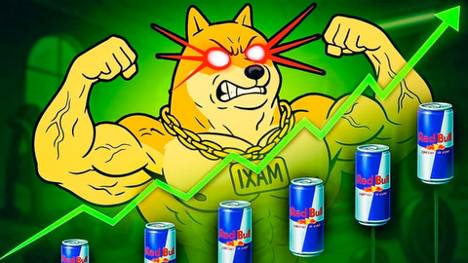
MaxiDoge targets traders who thrive on volatility and high-risk investments. The Ethereum-based token features a jacked Shiba Inu mascot that embodies the 1000x leverage mindset, and the community has rallied with serious capital.
The project allocates zero tokens to venture capital firms, which eliminates unlock events where early investors dump on retail buyers. A fixed supply of 150.24 billion MAXI tokens creates scarcity, and burn mechanics reduce that number over time.
Token holders access Community Alpha, where traders share strategies and compete in ROI-based competitions. Winners earn prizes based on performance, not holdings alone.
| 💸 Current Presale Price | $0.0002802 |
| 📈 Funds Raised | $4.96M |
| 🗓️ Launch Timeline | TBA |
| 💳 Payment Methods | ETH, BNB, USDT, USDC, card |
| 📌 Why it made our list | Zero VC allocation, fixed supply, and ROI-based community competitions differentiate its trader-focused model |
| ✅ Pros | • Zero VC allocation eliminates scheduled dump pressure • Staking rewards lock tokens and reduce circulation • ROI competitions reward skill, not just capital |
| ❌ Cons | • Meme saturation requires standout marketing to gain traction • Prize pool sustainability depends on continued trading volume • Value proposition relies on an active trader community |
Resources
Website | Whitepaper | Solidproof audit | Official X / Telegram
3. BMIC Token (BMIC) – Multi-Layer Architecture for Secure Web3 Transactions
BMIC Token uses post-quantum cryptography (PQC) to defend against quantum-powered attacks, a design choice that protects assets both today and in the years ahead. Public keys never appear on the blockchain, and this architectural decision removes the primary vulnerability that quantum attackers would target.
A unified Quantum Security Layer brings together all core user protections in one framework. Quantum-Resistant Wallet functionality, Quantum-Resistant Staking, and the Quantum-Secure Credit Card System all operate under hybrid PQC keys with signature-hiding architecture and smart-account security.
Storage, yield generation, and payment processing gain protection against future quantum threats through these integrated safeguards. Token supply caps at 1.5 billion with no mechanism for increases. Users burn tokens to mint BMIC Compute Credits (BCC), and these credits power real quantum workloads across the BMIC Quantum Meta-Cloud.
| 💸 Current Presale Price | $0.049474 |
| 📈 Funds Raised | $698.13K |
| 🗓️ Launch Timeline | Q1 2026 |
| 💳 Payment Methods | ETH, USDT, USDC |
| 📌 Why it made our list | Post-quantum encryption protects wallets from quantum attacks while AI monitors and adjusts security in real time |
| ✅ Pros | • The wallet architecture applies PQC standards to protect private keys against future quantum-computer attacks • A fixed percentage of company revenue funds token buybacks and permanent burns • The total token supply cannot increase under any circumstances |
| ❌ Cons | • Cryptographically relevant quantum computers do not exist yet • The quantum-secure credit card is part of the roadmap, not a current product • The Meta Cloud relies on external quantum hardware vendors |
Resources
Website | Whitepaper | Security audit | Official X / Telegram
4. LiquidChain (LIQUID) – Layer-3 Network That Connects Bitcoin, Ethereum, and Solana
LiquidChain tackles fragmented liquidity across major blockchains with a Layer-3 network that connects Bitcoin, Ethereum, and Solana into a unified execution environment.
Users pay fees with a single LIQUID token for cross-chain operations instead of managing ETH for gas, SOL for Solana transactions, and BTC for Bitcoin separately. The protocol handles conversion and settlement automatically.
Trust-minimized proofs verify the state across all connected blockchains, which removes the need for multisig validators that have failed in previous bridge designs. Atomic settlements ensure that cross-chain trades either complete fully or revert entirely, with no stuck funds in limbo.
| 💸 Current Presale Price | $0.0135 |
| 📈 Funds Raised | $670.08K |
| 🗓️ Launch Timeline | Mainnet Q2 2026 |
| 💳 Payment Methods | ETH, USDT, USDC, BNB, SOL, card |
| 📌 Why it made our list | Unifies Bitcoin, Ethereum, and Solana liquidity into a single execution layer |
| ✅ Pros | • Single token handles fees across three major blockchains • Atomic settlements eliminate stuck-fund scenarios • Trust-minimized proofs replace risky multisig validators |
| ❌ Cons | • Layer-3 adds complexity and potential attack vectors • Requires all three networks to function correctly • Early stage with limited capital raised so far |
Resources
Website | Whitepaper | CertiK audit | Official X / Telegram
5. SUBBD Token (SUBBD) – Project That Boosts Creator Economy With AI

SUBBD rebuilds the content subscription model with on-chain payments that cut platform fees significantly. Creators on platforms like Patreon and OnlyFans lose 30-50% of their earnings to middlemen, while SUBBD settles payments directly on-chain.
SUBBD reports partnerships with over 2,000 influencers who collectively reach more than 250 million followers. Readers should treat these marketing figures as project-reported and verify them independently. This claimed distribution could give SUBBD access to audiences that many crypto projects spend years trying to reach.
AI tools automate content creation at scale and let creators produce voice notes, personalized video replies, and avatar-hosted livestreams without manual work. Token holders receive discounted subscription rates, priority access to creator drops, and VIP content.
| 💸 Current Presale Price | $0.0574875 |
| 📈 Funds Raised | $1.61M |
| 🗓️ Launch Timeline | Q1-Q2 2026 |
| 💳 Payment Methods | ETH, USDT, BNB, card |
| 📌 Why it made our list | Tackles a well-known problem in the content creator industry |
| ✅ Pros | • Project-reported: 2,000+ creators with 250M followers provide built-in distribution • AI generates content automatically for busy creators • Doxxed team increases accountability |
| ❌ Cons | • AI-generated content may face authenticity concerns from fans • Subscription discounts create ongoing sell pressure • Competes with established platforms that have regulatory clarity |
Resources
Website | Whitepaper | Coinsult / Solidproof audit | Official X / Telegram
6. Little Pepe (LILPEPE) – Ethereum-based Meme Coin with Its Own Layer-2 Chain
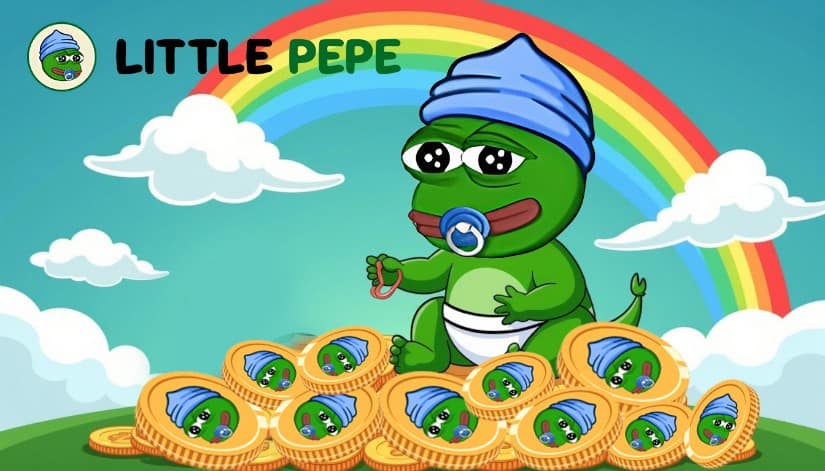
Little Pepe introduced a dedicated Layer-2 blockchain for meme token ecosystems. The EVM-compatible chain processes transactions with zero buy and sell taxes, which lets traders keep full profits instead of losing percentages on every swap.
Anti-sniper technology blocks bots from front-running launches and gives regular users fair access when new tokens deploy on the chain. Pepe’s Pump Pad serves as the native launchpad where creators deploy tokens with locked liquidity from day one.
The tokenomics allocate 26.5% to presale, 30% to chain reserves, 13.5% to staking rewards, and the remainder is split between marketing, liquidity, and exchange listings.
| 💸 Current Presale Price | $0.0022 |
| 📈 Funds Raised | $28.78M |
| 🗓️ Launch Timeline | Expected early 2026 |
| 💳 Payment Methods | ETH, BNB, USDT, card |
| 📌 Why it made our list | Taps into the growing Layer-2 sector with its own blockchain |
| ✅ Pros | • Zero trading taxes let traders keep all profits • Anti-sniper tech protects regular buyers at launch • Massive $777,000 giveaway drives engagement |
| ❌ Cons | • Custom L2 needs developer adoption to justify infrastructure • Competes against the original PEPE and hundreds of variants • Layer-2 operating costs require sustainable funding |
Resources
Website | Whitepaper | CertiK audit | Official X / Telegram
7. VFX Token (VFX) – Solana Infrastructure with DAO Governance Rights
VFX Token is a Solana-based Real-World Asset that links broker rebate revenue from a licensed forex firm directly to holders through on-chain rewards. The parent company manages over $40 million in client assets and executes 1,500+ lots daily across forex, gold, and crypto markets.
Half of all rebate income flows to stakers and buybacks, and the protocol distributes roughly $75,000 each month from $150,000 in total revenue. Stakers can earn up to 67.7% APY, and the VFX Card lets them spend rewards through a Web3-powered Visa/Mastercard. Full DAO governance arrives in Q2 2026, and 15.5% of total supply sits in treasury reserves for community-approved initiatives.
| 💸 Current Presale Price | $0.355 |
| 📈 Funds Raised | $2.21M |
| 🗓️ Launch Timeline | Q1 2026 |
| 💳 Payment Methods | ETH, USDT, BNB, USDC (with Solana-compatible wallets) |
| 📌 Why it made our list | Holders earn passive income from a regulated trading firm that manages $40M in client assets |
| ✅ Pros | • Insider allocations remain frozen for one full year before a 24-month vesting schedule begins • The token runs on Solana, which offers fast finality and low transaction costs • Token holders gain voting rights in Q2 2026, and 15.5% of total supply funds community-approved initiatives through the treasury |
| ❌ Cons | • The $5-per-lot rebate structure depends on third-party broker agreements • Web3 Visa/Mastercard is scheduled for Q1 2026, so holders must wait before they can spend rewards in the real world. • All profit distribution flows from a single trading firm |
Resources
Website | Whitepaper | SolidProof audit | Official X / Telegram
8. AgoraLend (AGORA) – Yield Generation Without the Whitelist

AgoraLend solves an important DeFi barrier and allows token holders to earn yield on assets that major protocols reject through permissionless market creation. Any community can establish lending pools for their tokens without approval delays or protocol gatekeepers.
Depositors receive dTokens that accumulate interest automatically based on pool utilization rates. An adaptive interest algorithm adjusts rates in real-time according to supply, demand, and asset volatility levels. Borrowers must provide collateral from 40% to 60% above their loan value, with ratios tied directly to each asset’s risk profile.
Zero venture capital funded the project launch, and team members hold no token allocation. A 10% security reserve and insurance vault protect against market volatility and unexpected losses. Presale participants gain 100% token access at TGE without vesting restrictions or lockup periods.
| 💸 Current Price | $0.00555 |
| 📈 Funds Raised | $510.42K |
| 🗓️ Launch Date | Q1 or Q2 2026 |
| 💳 Payment Methods | ETH, BNB, SOL, TRX, or TON |
| 📌 Why it made our list | Protocol buybacks burn 40% of all revenue and permanently reduce token supply to benefit holders |
| ✅ Pros | • Buyback and burn mechanism creates consistent deflationary pressure • Proven Aave codebase reduces smart contract risk • 10% security reserve provides insurance against protocol losses |
| ❌ Cons | • Multi-chain expansion adds complexity and bridge security risks • Flash loan features could enable exploitation if poorly implemented • Governance token voting may favor large holders over small participants |
Resources
Website | Whitepaper | CertiK audit | Official X / Telegram
9. Pumpd (PUMPD) – Pump Generator Protocol for Active Participants
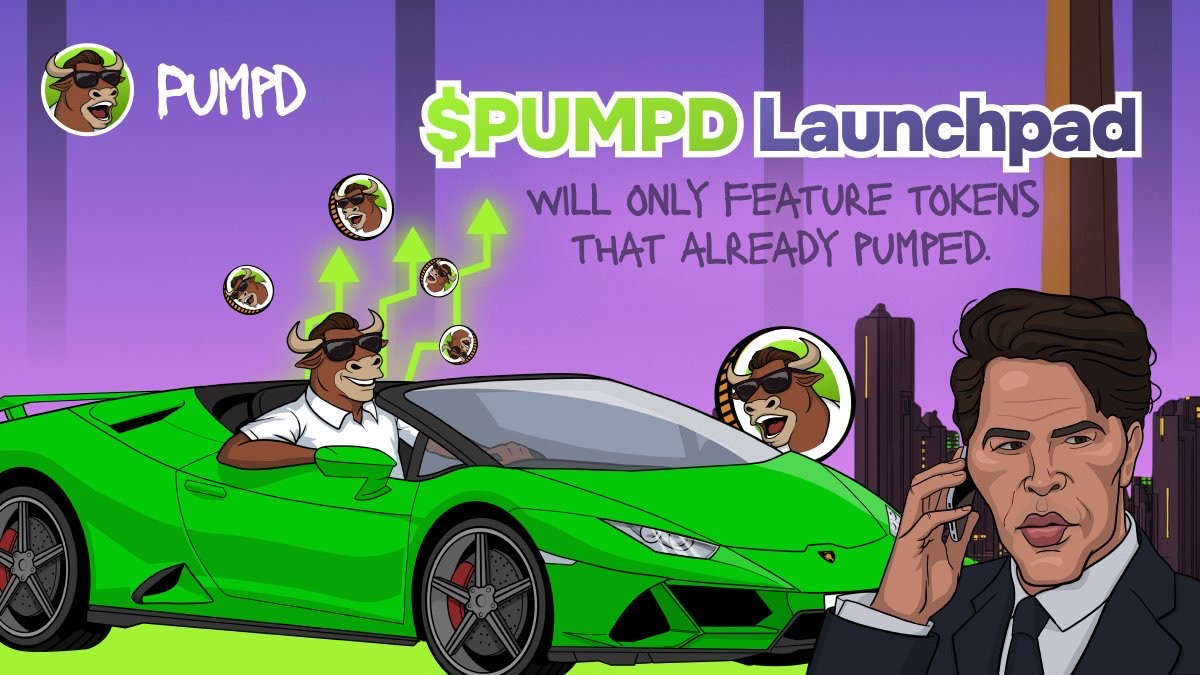
Pumpd converts user engagement into price momentum through a pump generator system that responds to votes, referrals, tool usage, and staked tokens. Protocol rewards flow to participants who build the ecosystem actively instead of passive holders who wait for profits.
Smart contracts lock liquidity automatically to prevent founder withdrawals and protect buyer capital. Daily price curves distribute value fairly across all entry points instead of front-loading gains for early buyers who exit on newcomers.
NFT collections expand utility across multiple ecosystem layers. Founders NFTs deliver integrated staking boosts and governance privileges to holders. Memeverse Passes grant access to airdrops, events, and premium platform features. Planned metaverse integration includes a virtual headquarters for immersive community interaction and collaboration.
| 💸 Current Price | $0.000412 |
| 📈 Funds Raised | $2.63K |
| 🗓️ Launch Date | TBA |
| 💳 Payment Methods | BTC, ETH, SOL, BNB, USDT, or credit cards |
| 📌 Why it made our list | Introduces automatic token burns synchronized to Bitcoin price movements for market-driven deflation |
| ✅ Pros | • Community voting controls launchpad project selection • Smart contract liquidity locks prevent rug pulls • Team tokens face a 12-month cliff with 36-month vesting |
| ❌ Cons | • Pump-focused branding may invite regulatory scrutiny • Staking locks reduce liquidity during market downturns • Telegram and Twitter monitoring faces API access limitations |
Resources
Website | Whitepaper | CertiK audit | Official X / Telegram
10. Pepenode (PEPENODE) – Gamified Mining with Real Token Burns
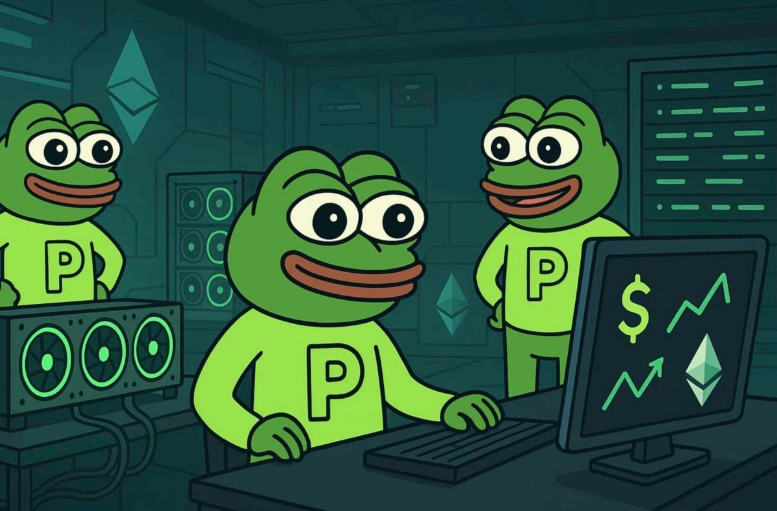
Pepenode launched with an interactive game that keeps the community active between updates. Players build virtual server rooms, add nodes to increase mining power, and compete on leaderboards for real crypto prizes. Top performers earn equipment upgrades and rewards based on their activity.
The deflationary mechanics set Pepenode apart from typical meme coins. When players spend tokens on nodes or upgrades, 70% of those tokens get burned permanently. This aggressive burn rate reduces supply with every interaction, and active gameplay directly increases scarcity.
Future phases introduce NFT-based equipment and multi-token rewards, where players will earn different meme coins through the same mining interface.
| 💸 Current Price | $0.0001675 |
| 📈 Market Cap | $35.68M |
| 🔄 Circulating Supply | 210.32B PEPENODE |
| 🔍 Where to Buy | Uniswap |
| 📌 Why it made our list | Innovative mine-to-earn mechanics with aggressive deflation |
| ✅ Pros | • 70% burn on all in-game spending creates aggressive deflation • Gamified experience keeps community engaged between updates • Leaderboard competitions reward active players with real prizes |
| ❌ Cons | • Heavy burns penalize the most active participants • Prize fund sustainability model remains unclear • Play-to-earn economics can collapse without new player growth |
Resources
Website | Whitepaper | Coinsult audit | Official X / Telegram
11. Plume (PLUME) – Real-World Asset Layer-1 Blockchain
Plume Network built a Layer-1 blockchain specifically for real-world asset tokenization. The chain handles the entire lifecycle from asset verification through trading and yield generation, and over $1.25 billion in assets have been committed to the platform.
The network launched with partnerships already in place, including Pyth integration that provides price feeds for tokenized assets. Multiple institutional players have begun to move traditional financial instruments on-chain through the platform.
Plume attracted over 280,000 unique users during testnet campaigns. Investors should review the current token-unlock schedule and circulating supply before making a decision, as these can change over time.
| 💸 Current Price | PLUME live price |
| 📈 Market Cap | $70.44M |
| 🔄 Circulating Supply | 4.8B PLUME |
| 🔍 Where to Buy | Binance, Coinbase, Upbit |
| 📌 Why it made our list | Purpose-built chain handles full RWA lifecycle from verification through yield generation |
| ✅ Pros | • Purpose-built chain for RWA tokenization fills a real market need • $1.25B in asset commitments shows institutional interest • Pyth partnership provides reliable on-chain price data |
| ❌ Cons | • Massive unlocks may create sell pressure risk • Price down 65% from 60-day highs • Competes with larger RWA protocols |
Resources
Website | Whitepaper | Contract address | Official X / Telegram
12. Midnight (NIGHT) – Cardano’s Privacy-Focused Sidechain

Midnight brings zero-knowledge privacy to the Cardano ecosystem through a sidechain that allows selective disclosure. Users can prove facts about transactions without the need to reveal underlying data, and businesses can demonstrate compliance while they keep competitive information private.
The network uses a programming language called Compact that makes zero-knowledge development accessible to programmers without cryptography expertise. This design choice aims to accelerate dApp development on the chain and lower barriers for developers.
| 💸 Current Price | NIGHT live price |
| 📈 Market Cap | $1B |
| 🔄 Circulating Supply | 16.6B NIGHT |
| 🔍 Where to Buy | OKX, Bybit, MEXC |
| 📌 Why it made our list | Compact language lowers barriers for zero-knowledge development |
| ✅ Pros | • Zero-knowledge tech enables privacy with selective disclosure • Compact language lowers barriers for ZK development • Cross-chain distribution model builds a diverse holder base |
| ❌ Cons | • Price down ~82% from launch highs • Ongoing Glacier airdrop creates selling pressure • Mainnet still in development for 2026 |
Resources
Website | Whitepaper | Contract address | Official X / Telegram
13. Succinct (PROVE) – Zero-Knowledge Infrastructure for Any Chain

Succinct creates a zero-knowledge proof infrastructure that works across blockchains and lets developers add ZK functionality to any application without years of specialized cryptography knowledge.
This network generates proofs and supports protocols across the ecosystem. Recent upgrades introduced SP1 Hypercube, which aims to enable real-time proving for many applications and opens use cases that previously seemed impractical due to speed limitations.
| 💸 Current Price | PROVE live price |
| 📈 Market Cap | $71M |
| 🔄 Circulating Supply | 195M PROVE |
| 🔍 Where to Buy | Binance, Coinbase, Upbit, OKX, PancakeSwap |
| 📌 Why it made our list | SP1 Hypercube achieves real-time proving for most applications |
| ✅ Pros | • SP1 makes ZK development accessible to regular programmers • 35+ protocols already use the infrastructure • Paradigm backing signals serious technical credibility |
| ❌ Cons | • Infrastructure tokens often trade at lower multiples than applications • Competition from other ZK proving systems • Technical complexity limits retail understanding |
Resources
Website | Whitepaper | Contract address | Official X / Discord
14. Rain (RAIN) – AI-Powered Prediction Markets on Arbitrum
Rain Protocol operates prediction markets where AI resolves outcomes instead of centralized oracles. This approach removes the human bottleneck that slows traditional prediction market platforms and eliminates the bias that manual resolution often introduces.
The token trades on Arbitrum, Ethereum’s largest Layer-2 network. Check current exchange availability directly before trading, as listings and market access can change.
A 2.5% burn mechanism removes tokens from circulation with each transaction. This deflationary pressure compounds over time as trading volume increases across the platform.
| 💸 Current Price | RAIN live price |
| 📈 Market Cap | $3.39B |
| 🔄 Circulating Supply | 339.81B RAIN |
| 🔍 Where to Buy | KuCoin, Uniswap, MEXC |
| 📌 Why it made our list | Arbitrum deployment provides low-cost trading on Ethereum’s largest L2 |
| ✅ Pros | • AI resolution removes human oracle bottlenecks • KuCoin listing provides major exchange liquidity • 2.5% burn creates ongoing deflation |
| ❌ Cons | • Post-listing momentum has stalled • AI resolution accuracy is still unproven at scale • Prediction markets face regulatory uncertainty |
Resources
Website | Whitepaper | Contract address | Official X / Telegram
15. Unibase (UB) – AI Memory Layer for Trading Bots

Unibase provides a memory layer for AI trading agents that lets bots store, retrieve, and learn from past decisions without the need to start fresh each session. This persistent memory could make AI trading systems significantly more effective over time.
The project partnered with Blazpay, which brings access to over 1 million users across the platform. Integration with existing trading platforms and wallets provides immediate distribution for the technology.
Binance Alpha featured Unibase in an airdrop program, which introduced the token to the largest exchange’s user base. The token trades on decentralized exchanges.
| 💸 Current Price | UB live price |
| 📈 Market Cap | $87.41M |
| 🔄 Circulating Supply | 2.5B UB |
| 🔍 Where to Buy | PancakeSwap, Binance Alpha, Gate, KuCoin |
| 📌 Why it made our list | Memory infrastructure addresses fundamental AI trading bot limitation |
| ✅ Pros | • Memory infrastructure could improve AI trading performance dramatically • Blazpay partnership provides 1M+ user distribution • Binance Alpha exposure introduced the token toa massive audience |
| ❌ Cons | • Limited on-chain data available about actual adoption • The AI memory layer concept is still early and unproven • Depends on AI trading bot growth continuing |
Resources
Website | Whitepaper | Contract address | Official X / Telegram
16. Falcon Finance (FF) – DeFi Protocol with USDf Stablecoin
Falcon Finance reports having raised over $110 million to build a DeFi protocol centered around USDf, a stablecoin backed by both crypto and real-world asset collateral. Readers should treat the figure as project-reported and verify it against the project’s latest disclosures. The dual-token model separates governance and utility functions for clearer protocol management.
The protocol targets institutional DeFi adoption and addresses the collateral concerns that plagued algorithmic stablecoins. Real-world asset backing provides a stability mechanism that pure crypto collateral cannot offer.
The FF token launched and now trades on major exchanges. The protocol combines traditional finance stability with DeFi efficiency to attract institutional capital that previously remained on the sidelines.
| 💸 Current Price | FF live price |
| 📈 Market Cap | $210.73M |
| 🔄 Circulating Supply | 2.34B FF |
| 🔍 Where to Buy | Binance, PancakeSwap, Upbit |
| 📌 Why it made our list | The dual-token model separates governance from utility functions |
| ✅ Pros | • $110M raise demonstrates serious institutional backing • RWA collateral provides stability that crypto-only backing lacks • Addresses a gap left by failed algorithmic stablecoins |
| ❌ Cons | • RWA verification and audit processes unclear • Competes with established stablecoin protocols |
Resources
Website | Whitepaper | Contract address | Official X / Telegram
Top New Cryptos Reviewed
We studied over 50 new projects and filtered down to these 16 new cryptocurrencies with potential in upcoming market cycles, helping readers compare the best new crypto to buy.
| 🚀 Project | 📁 Category | ⭐ Key Highlight | 📍 Status |
|---|---|---|---|
| Bitcoin Hyper (HYPER) | Layer-2 Infrastructure | 65,000 TPS on Bitcoin with $32M+ raised | Presale |
| MaxiDoge (MAXI) | Meme/Community | Zero VC allocation, 71% staking APY | Presale |
| BMIC Token (BMIC) | Quantum Security / Enterprise Wallet | Post-quantum encryption, hidden signatures, and AI security monitoring | Presale |
| LiquidChain (LIQUID) | Layer-3 Bridge | Unifies Bitcoin, Ethereum, and Solana liquidity | Presale |
| SUBBD Token (SUBBD) | AI/Creator Economy | 2,000+ creators, 250M follower reach | Presale |
| Little Pepe (LILPEPE) | Meme/Layer-2 | Custom L2 chain, $27M raised, zero trading taxes | Presale |
| VFX Token (VFX) | RWA / Forex Trading | $40M AUM firm, 50% revenue share, Web3 card with burns | Presale |
| AgoraLend (AGORA) | DeFi Lending Protocol | Permissionless token listing, dual P2C/P2P markets | Presale |
| Pumpd (PUMPD) | Meme Token | Bitcoin-synced burns, AI trading tools | Presale |
| Pepenode (PEPENODE) | Meme/Gamified | 70% token burn on gameplay, mine-to-earn mechanics | Listed |
| Plume (PLUME) | RWA/Layer-1 | $1.25B in asset commitments, live mainnet | Listed |
| Midnight (NIGHT) | Privacy/Cardano | Zero-knowledge sidechain, selective disclosure | Listed |
| Succinct (PROVE) | ZK Infrastructure | 6M+ proofs generated, 35+ protocols use it | Listed |
| Rain (RAIN) | AI/Prediction Markets | AI resolves outcomes, KuCoin listed | Listed |
| Unibase (UB) | AI/Trading | Memory layer for AI bots, 1M+ users via Blazpay | Listed |
| Falcon Finance (FF) | DeFi/Stablecoin | $110M raise, RWA-backed stablecoin USDf | Listed |
Want to know how we choose projects? See our methodology for the full breakdown.
New Crypto to Watch Classified by Utility
Different tokens serve different purposes. This breakdown helps you match projects to what you want to achieve.
| 🏷️ Utility Category | 🪙 Tokens | ⚡ What They Do |
|---|---|---|
| Infrastructure/Layer-2/Layer-3 | Bitcoin Hyper, LiquidChain, Little Pepe, Plume, BMIC Token | Scale existing blockchains or connect them together |
| DeFi/Finance | Falcon Finance, Rain, VFX Token, AgoraLend | Enable lending, trading, or prediction markets |
| Privacy | Midnight | Add confidential transactions to public blockchains |
| AI/Analytics | SUBBD, Unibase, Succinct, Pumpd | Apply machine learning to crypto problems |
| Meme/Community | MaxiDoge, Pepenode | Build engaged communities around cultural themes |
Token-access structures also differ across projects. AgoraLend states that presale participants receive full token access at TGE, while VFX describes a one-year freeze followed by a 24-month vesting schedule for insider allocations, and Pumpd describes a 12-month cliff with 36-month vesting for team tokens. Check the latest project documentation before buying, as unlock schedules can affect tradable supply and selling pressure.
A balanced approach can reduce concentration risk. Rather than treating one category as the single best option, consider how infrastructure, DeFi, privacy, AI, and community-driven assets differ in their adoption drivers and risk profiles. Diversification cannot prevent losses, but it can limit dependence on one narrative, network, or project outcome.
New Crypto to Watch Classified by Blockchain
Many investors prefer to stay within specific ecosystems. Here’s where you’ll find each project.
| ⛓️Blockchain | 🪙Tokens | 📝Notes |
|---|---|---|
| Bitcoin | Bitcoin Hyper | Layer-2 built on Bitcoin’s security |
| Ethereum | MaxiDoge, Little Pepe, Pepenode, SUBBD, Succinct, BMIC Token, AgoraLend, Pumpd | EVM-compatible or native Ethereum |
| Arbitrum | Rain | Ethereum Layer-2 |
| Cardano | Midnight | Partner chain to Cardano |
| Solana | VFX Token | Native Solana |
| Multi-chain | LiquidChain, Plume, Unibase, Falcon Finance | Cross-chain or chain-agnostic |
Institutional Grade Assets & Upcoming Network Upgrades
The 2026 market has decoupled from the “retail hype” cycles of the past. Institutional capital is now the primary driver, focused on network resilience and regulatory-compliant on-ramps. If you aren’t tracking the specific technical milestones that enable high-frequency institutional trading and MEV (Maximal Extractable Value) reform, you’re trading on outdated data.
Broader ETF access and institutional-grade market infrastructure can also affect demand beyond the largest assets. As regulated routes to digital-asset exposure expand, investors may look more closely at liquid infrastructure, tokenization, and other newer sectors. This does not make early-stage tokens institutionally suitable by default, so buyers should still assess liquidity, custody, token supply, and regulatory risk independently.
The Ethereum “Glamsterdam” Upgrade
Glamsterdam has been discussed as a future Ethereum roadmap item. Readers should consult Ethereum’s official roadmap for the current status and expected timeline. The upgrade targets Ethereum’s Layer 1 efficiency and decentralization, unlike previous upgrades that focused on Layer 2 scaling (blobs).
- ePBS (EIP-7732): Enshrining the Proposer-Builder Separation removes the need for trusted third-party relays, reducing censorship risks that have spooked institutional stakers.
- Parallel Execution (EIP-7928): By introducing Block-Level Access Lists, Ethereum nodes can pre-fetch data, finally allowing for non-conflicting transactions to process simultaneously.
Solana’s “Alpenglow” Overhaul
Solana is currently undergoing its most aggressive architecture swap since inception. The Alpenglow upgrade essentially kills Proof of History (PoH) in favor of a faster consensus mechanism involving Votor and Rotor.
- The Goal: Compressing transaction finality from ~12 seconds to a staggering 100–150 milliseconds.
- Institutional Play: This makes Solana a viable venue for tokenized stock exchanges and high-frequency trading (HFT) that requires sub-second certainty.
New Crypto Launches: 2026 Market Overview
Late 2025 saw renewed interest in new cryptocurrency projects. Bitcoin traded above $100,000 during that period, supporting risk appetite before consolidation made investors more cautious.
Market Cycles and Sector Rotation
Bitcoin’s halving cycle is often used as a framework for understanding crypto market phases, although it does not guarantee future returns. When Bitcoin attracts the first wave of demand, capital can later rotate into major altcoins and then smaller or newer tokens as investors seek higher-risk opportunities. That pattern helps explain attention around new launches, but it also makes disciplined research essential: smaller tokens can reverse sharply when liquidity or sentiment changes.
Rather than treating a halving as a trading signal, use it as one timing framework alongside liquidity, broader market conditions, and a project’s delivery progress. Sector rotation can be uneven and can reverse quickly, particularly for presales and newly listed tokens.
Several key themes shape new launches this year. Bitcoin Layer-2 solutions pull in significant capital as developers work to bring DeFi features to the world’s largest cryptocurrency.
Privacy technology gains traction as users push back against surveillance while regulators still demand transparency. Real-world asset tokenization moves from theory to practice as platforms now handle actual institutional money.
AI integration shows up in nearly every category. Trading bots, analytics platforms, and content creation tools all highlight machine learning in their pitches. Investors need to distinguish substantiated AI use cases from marketing claims as the AI crypto market evolves.
The meme coin sector expands with new approaches. Projects like Little Pepe and Pepenode add infrastructure and gamification that separate them from simple speculation. This mix of culture and utility may shape the next wave of successful meme tokens.
Market sentiment can shift quickly, so investors should check the latest Fear and Greed Index alongside current volatility and trading-volume data. Presale participation remains active for differentiated projects, but investors should verify team credentials, study tokenomics for red flags, and check audit reports before they buy.
How to Buy New Crypto Before Listing
New crypto tokens require a different approach than regular exchange purchases. Some projects launch through presales, where you connect your wallet directly, while others go live on decentralized exchanges first. Either way, you need the right setup to participate early.
How to Invest in New Crypto Tokens
The process to invest in new tokens differs significantly from how you buy Bitcoin or Ethereum on standard exchanges.
1️⃣ Set Up a Compatible Wallet
Install a compatible Web3 wallet on your device. Generate a new wallet and write down your recovery phrase on paper. Store this phrase securely and treat it like cash, because anyone with access can drain your funds.
2️⃣ Fund Your Wallet
Purchase ETH, USDT, or BNB from an exchange like Coinbase or Binance. Transfer these assets to your wallet address and keep extra for transaction fees. Network congestion can increase costs, so budget accordingly.
3️⃣ Connect to the Project Platform
Visit the official project website and verify the URL to avoid phishing sites. Find the wallet connection button and authorize the link through your wallet app.
4️⃣ Enter Your Purchase Amount
Choose your payment token and specify your investment amount. The interface will show you how many tokens you’ll receive at the current rate, so verify the numbers match your expectations.
5️⃣ Confirm the Transaction
Submit the transaction through your wallet and monitor the blockchain for confirmation. Presale tokens arrive after the sale ends and claims go live, while DEX purchases complete immediately.
Consider spreading any planned allocation across several purchases rather than committing all funds at once. This approach can reduce the impact of short-term price swings, but it cannot remove the risk that an early-stage project loses value or fails to deliver.
Where to Buy New Crypto Tokens: Best Apps to Buy New Coins
New crypto tokens require the right wallet setup to access early opportunities. Here are the most useful platforms:
🔍 Best Wallet delivers direct presale access and multi-chain support in a single mobile app. The platform aggregates DEX liquidity across chains and features real-time portfolio tracking, which makes it ideal for active traders who want early project access without switching between multiple tools.
🔍 MetaMask remains the standard for browser-based token purchases. Its wide compatibility works with nearly every project website, which makes it the go-to choice for desktop users who want reliable access.
🔍 Trust Wallet provides mobile convenience for investors who prefer to manage everything from their phone. The built-in browser connects directly to token sales and DEX platforms, and lets you complete transactions from anywhere with internet access.
🔍 Coinbase Wallet operates separately from the Coinbase exchange but works well for users already familiar with that platform. You get full control of your funds with branding you already know, which makes the switch easier for newcomers.
If direct presale participation feels too complex, consider waiting until a token is listed on an exchange you can access and understand. This may simplify the purchase process, but it does not remove volatility, liquidity, or project-execution risk.
Where to Store Your New Crypto Coins
Secure storage matters more than many investors realize, especially since exchange hacks and rug pulls have cost billions in losses over the years. When you move tokens to wallets you control, you eliminate most of this risk and protect your investment.
Best Wallet
Best Wallet Best Wallet combines security with convenience through its non-custodial mobile app that puts you in control of your private keys. The wallet supports multiple blockchains and stores all keys locally on your device for maximum protection. To enhance security further, the interface includes biometric authentication for quick access alongside encrypted backup options. For high-value transactions, multi-signature support adds an extra verification layer, while customizable network settings let you adjust gas fees based on priority.
Ledger
Ledger devices secure your private keys with certified chips used in passports and credit cards. The Nano S Plus delivers essential cold storage at an entry-level price, while the Nano X extends functionality through Bluetooth connectivity for managing assets on mobile. Premium models like the Flex offer portable touchscreen control, and the Stax features a stackable design with customizable E Ink displays. The latest Nano Gen5 integrates NFC tap-to-recover technology alongside its secure touchscreen interface.
Trezor
Trezor offers hardware wallets with open-source code you can review and verify independently. Budget-conscious users can start with the Safe 3, which provides an affordable entry with a secure element chip and physical buttons for transaction confirmation. A step up, the Safe 5 adds a color touchscreen and EAL6+ certified security for stronger protection. Advanced users benefit from the Safe 7 with its wireless connectivity, quantum-ready architecture, and a 2.5″ screen. All models store your private keys offline and require physical confirmation for each transaction.
How to Find New Crypto Coins Coming Out: Spotting Emerging Crypto Projects with High Utility
You need multiple sources to find new crypto projects before listing. No single platform captures everything, so smart investors use a mix of channels to stay ahead.
💡 Twitter/X remains essential for crypto news and early alerts. When you follow project accounts, analysts, and developers, you get information before it hits mainstream coverage. Watch out for paid promotions and verify claims on your own to avoid scams.
💡 Telegram and Discord groups give you direct access to project communities. Active conversations often reveal details that official announcements leave out. Watch for red flags like deleted criticism or fake member counts that suggest trouble.
💡 DeFiLlama and DappRadar track activity across protocols in real time. When you spot rising TVL or user counts, you can find projects that gain momentum before prices catch up.
💡 ICO aggregators like ICODrops and CoinGecko’s presale sections list upcoming launches in one place. These databases save time but include many weak projects alongside legitimate ones, so do your homework.
Using Community Sentiment Responsibly
Reddit and other forums can help you discover projects and identify questions the community is asking. Treat posts in communities such as r/CryptoCurrency or r/CryptoMoonShots as sentiment signals, not investment research: promotional campaigns and hype-driven pump discussions are common. Verify any claim against project documentation, audits, tokenomics, and independent on-chain information before acting on it.
What Are New Cryptocurrencies?
New cryptocurrencies are digital assets that have recently launched or remain in presale phases. They range from infrastructure protocols that power other applications to meme tokens that exist primarily for community engagement and cultural participation.
Every cryptocurrency operates on blockchain technology, which creates a permanent, distributed record of all transactions. New projects either build their own blockchains (Layer-1s) or deploy on existing networks as Layer-2s or tokens that leverage established infrastructure.
Three main categories define new crypto launches:

📌 Presale tokens sell directly to early buyers before exchange listings. These offer the lowest entry prices but carry execution risk if projects fail to deliver or never reach public markets.

📌 Recently listed tokens trade on exchanges but have limited price history. Volatility runs extremely high during the first weeks of trading as price discovery takes place.

📌 Airdrops distribute tokens to existing holders of other assets or users who complete specific tasks. These require no direct purchase but often face immediate selling pressure once recipients claim their allocations.
How Is a New Cryptocurrency Created?
The creation of a cryptocurrency involves several technical and strategic steps that determine whether a project succeeds or fails.
💻 Smart Contract Deployment: Most new tokens deploy as smart contracts on existing blockchains like Ethereum, BNB Chain, or Solana. Developers write code that sets the token’s supply, transfer rules, and how it works. Deployment costs range from a few dollars to hundreds, based on network activity.
📊 Tokenomics Design: Teams split the total supply across categories like presale, team, advisors, ecosystem development, liquidity, and reserves. These splits determine who controls how much and when tokens unlock. Bad tokenomics create sell pressure that crashes prices when large holders dump.
🛡️ Security Audits: Serious projects hire firms like CertiK, Hacken, or Coinsult to check their smart contract code. Auditors look for flaws that could let hackers drain funds or mess with token behavior. Audits cost anywhere from thousands to tens of thousands of dollars.
💧 Liquidity Provision: Tokens need trade pairs to work on exchanges. Teams lock value in liquidity pools on decentralized exchanges, which lets buyers and sellers trade at market prices. Without enough liquidity, tokens become worthless.
👥 Community Building: Marketing, social media, and influencer partnerships bring in early supporters. Strong communities drive presale sales and create buy pressure after launch.
Common launch models: An ICO sells tokens directly to the public, while an IEO runs through an exchange that manages the sale process. An STO is structured around a token that may represent regulated financial rights, whereas a presale is an early direct sale before a token is broadly available. Each model has different access rules, disclosure standards, and risks, so buyers should review the project terms before participating.
Are Brand New Crypto Coins Safe and Legal?
New cryptocurrencies carry significant risks alongside their potential rewards. When you understand these risks, you can make smarter investment decisions and protect yourself better.
🔒 Security Risks: Smart contract bugs can let hackers steal funds from projects. Projects without audits face higher risks and present more danger to investors. Even audited contracts sometimes have flaws that only show up after launch when attackers find new ways to exploit them.
🪤 Rug Pull Risk: Anonymous teams can abandon projects and drain liquidity pools without warning. Look for doxxed teams, locked liquidity, and audit reports as your first line of defense against this common scam.
🚨 Regulatory Risk: Securities laws vary by country and create uncertainty for token projects and holders. Some tokens may get classified as unregistered securities, which creates legal trouble for both the teams behind them and the people who buy them.
In the United States, the SEC focuses on securities-law issues, while the CFTC oversees commodities and derivatives markets. Their roles can affect how crypto products are offered, marketed, and traded, so investors should follow current rules in their jurisdiction.
📉 Market Risk: New tokens see extreme price swings that can wipe out your investment in hours. Projects that look promising can lose 90%+ of their value within days due to market crashes or problems that suddenly come to light.
⚖️ Legality: Most countries allow you to own and trade cryptocurrency without major legal issues. However, some places restrict presale participation, and US residents face particular limits due to securities laws that treat many tokens as investments.
For presales, type the official project URL yourself or follow it from a verified official channel instead of relying on ads or direct messages. Before approving a wallet transaction, check the contract address against the project’s published materials, reject unexpected token approvals, and never share your recovery phrase or private key.
Pros & Cons of New Crypto Launches
Every new crypto launch brings both advantages and drawbacks that can make or break your investment.
Pros
-
Ground-floor pricing before price discovery
-
Maximum upside potential on successful projects
-
Early community access and engagement
-
Innovative technology often launches in new tokens
-
Presale bonuses and staking rewards
Cons
-
High failure rate among new projects
-
Extreme volatility in both directions
-
Limited liquidity during early trading
-
Rug pull and scam risk from unknown teams
-
Regulatory uncertainty for newer models
Benefits of Investing in New Cryptocurrency
These are clearer explanations of the benefits of investing in new tokens:
Early Entry Pricing: Presale prices typically sit 50-90% below expected listing prices. When projects succeed, this discount multiplies your returns significantly.
Community Building: Early supporters often receive additional benefits like exclusive access, better staking rewards, or governance rights that later investors miss.
Innovation Exposure: New projects experiment with technology that established protocols avoid due to risk. Breakthroughs tend to come from new entrants who push boundaries.
Asymmetric Returns: A failed presale investment loses 100% of your money. A successful one can return 10x, 50x, or more, and one winner can cover many failures. Our next crypto to explode guide covers this topic in detail.
The Risks of Buying New Crypto Tokens
Regulatory Classification: A token’s legal treatment can change as rules and enforcement develop. Classification uncertainty can affect where a token is offered, how it is marketed, and whether exchanges continue to support it.
Token Unlock Dilution: Review the supply schedule before buying. Scheduled allocations for teams, investors, or ecosystem funds can increase the tradable supply and create selling pressure even when a project’s product development is on track.
Narrative Risk: New-token prices can run ahead of real adoption when a popular theme dominates attention. Compare the project’s claimed utility, roadmap, and on-chain evidence with its valuation rather than buying solely because a sector is trending.
Also, a deeper analysis of the negative aspects that come with these types of projects:
Capital Loss: Most new projects fail and take your money with them. You should prepare to lose your entire investment on any single presale you enter.
Illiquidity: Early-stage tokens often lack trading pairs on major exchanges. You may find it difficult or impossible to sell until listings arrive and create market depth.
Information Asymmetry: Teams know far more than investors about project challenges and weaknesses. Marketing materials highlight the positives while they hide or downplay significant risks.
Lock-up Periods: Vesting schedules may prevent you from a sale even when you desperately want to exit your position.
Taxes on New Cryptos & Legal Considerations
Tax rules apply to cryptocurrency gains in most countries. New token investments face specific requirements that vary widely by location.
| 🌍 Region/Country | 💰Tax Treatment |
|---|---|
| United States | The IRS treats cryptocurrency as property. Sales trigger capital gains taxes based on what you paid. Presale purchases set your cost basis at the exact price you paid. Staking rewards count as income at market value when you receive them. |
| United Kingdom | HMRC taxes crypto gains under Capital Gains Tax for individuals. Each sale creates a taxable event that you must report. Annual allowances may shelter some gains from taxes. |
| European Union | Tax treatment varies a lot by member state. Germany exempts gains after one year of ownership. France applies a flat rate to all crypto gains. Other countries follow completely different rules. |
| Asia | Japan taxes crypto gains as miscellaneous income at rates up to 55%. Singapore has no capital gains tax, but may tax frequent trades as business income. Hong Kong generally exempts individual crypto gains from taxes. |
How We Select The Best New Crypto to Buy: CoinNews Methodology
Our editorial process applies consistent criteria to every project we evaluate and helps us separate real opportunities from potential scams.
Because this guide includes both presales and already listed assets, we do not apply a single market-cap or liquidity cutoff across every project. Instead, we assess available liquidity, supply concentration, unlock schedules, and market maturity in context, and distinguish speculative community tokens from projects making infrastructure or utility claims.
Links to price-prediction guides are provided as research starting points, not forecasts or recommendations. They can help readers review possible valuation scenarios and assumptions, but predictions cannot account for changing liquidity, unlocks, market conditions, or project execution.
➡️ 1. Team Verification (20%): We research team backgrounds, past projects, and public profiles to check their credentials. Doxxed teams with relevant experience score higher than anonymous groups who won’t reveal who they are.
➡️ 2. Smart Contract Audits (15%): Projects must have completed audits from trusted firms before we consider them. We review audit findings and check whether teams fixed the problems that auditors found.
➡️ 3. Tokenomics Analysis (15%): We look at supply distribution, vesting schedules, and inflation mechanics to spot red flags. Too much team allocation or short unlock periods raise serious concerns about potential dumps.
➡️ 4. Use Case Evaluation (15%): Projects need clear value propositions that go well past simple speculation. We check whether the token serves a real purpose in its ecosystem or just exists as another tradable asset.
➡️ 5. Community Assessment (10%): Active, organic communities show genuine interest from real users. We work to tell the difference between real engagement and bot activity or paid promotion that pumps up numbers.
➡️ 6. Competitive Positioning (10%): We compare each project to alternatives that solve similar problems in the market. What makes a project different matters a lot for long-term success in crowded sectors.
➡️ 7. On-Chain Data (10%): When available, we look at contract interactions, holder distribution, and actual usage numbers. These stats reveal what marketing materials often hide from investors.
➡️ 8. Risk Disclosure (5%): Every project carries risks that investors need to understand fully. We point out specific concerns alongside potential opportunities to give you the complete picture.
‼️This framework reflects how we evaluate broader market conditions that determine the best crypto to buy now, with a focus on long-term viability, not short-term hype.
Conclusion & Final Ideas
The 2026 new cryptocurrency market offers real opportunities alongside serious risks. Projects like Bitcoin Hyper tackle actual infrastructure problems, while tokens like Midnight and Succinct push forward privacy and zero-knowledge technology.
Presales give you the lowest entry prices but require you to accept execution risk. Recently launched tokens offer more information but face wild price swings during early trading. Spread your investments across multiple projects and categories to manage the uncertainty that comes with new launches.
Only invest money you can afford to lose completely. Do your homework past this guide before you make any decisions. Check claims on your own, look at smart contract audits, and watch community sentiment as projects develop.
The projects listed here represent our current view, but market conditions and team execution can change the outlook for any token quickly.
FAQs About The Best New Cryptocurrency to Buy
Bitcoin Hyper is a Bitcoin Layer-2 project. Among live tokens, Plume’s real-world asset infrastructure and Midnight’s privacy technology on Cardano show strong fundamentals. Each project tackles different market needs.
New tokens carry serious risks, including smart contract bugs, rug pulls, and wild price swings. Most countries allow cryptocurrency trade, but specific rules vary. Always check local laws and invest only money you can afford to lose completely.
Twitter/X, Telegram groups, and Discord communities surface early information. ICO aggregators like ICODrops list upcoming presales. Check all information on your own before you invest.
Use a self-custody wallet like MetaMask or Best Wallet to connect to presale websites. Load your wallet with ETH, USDT, or BNB through centralized exchanges. Follow project instructions to complete purchases and claim tokens.
Follow official project X accounts and community channels such as Telegram or Discord for launch updates. ICO aggregators and market-tracking tools can help surface new projects, but verify announcements through official sources and use alerts to monitor tokens you are researching.
Take part in presales through official project websites. Connect your wallet, pick a payment token, and complete the purchase. Tokens typically become available to claim when presales end or at token generation events. Watch for official announcements about claim processes.
What crypto has 1000x potential?
No cryptocurrency can be responsibly identified as having guaranteed 1000x potential. Returns of that scale require exceptional execution and market conditions, while most early-stage tokens carry a substantial risk of loss. Treat projects such as MAXI and PUMPD as high-risk speculative opportunities and review their utility, tokenomics, liquidity, and delivery progress before investing.
Which new crypto projects have different utility profiles?
Bitcoin Hyper and LiquidChain focus on blockchain infrastructure, while Plume targets real-world asset tokenization and Midnight focuses on privacy technology. These are different use cases rather than comparable return forecasts, so review each project’s execution, tokenomics, liquidity, and risks before investing.
What new crypto under $1 could explode?
A low unit price does not by itself make a token cheap or likely to rise. Compare circulating supply, fully diluted valuation, unlock schedules, and real demand instead of focusing on the price of one token. New presale and recently listed tokens can be highly volatile, so only invest an amount you can afford to lose.
Which new cryptos suit short-term or long-term goals?
Short-term traders may focus on momentum and community-driven projects, but these can move quickly in either direction. Long-term investors may prefer to research infrastructure-oriented projects such as Bitcoin Hyper, Plume, and Succinct, where the investment case depends on sustained adoption rather than short-term attention. Neither approach removes the risk of loss, and a time horizon should match your own risk tolerance.
Consulted References
CoinMarketCap: Crypto Market Metrics
Glassnode: On-Chain Insights Hub
Ethereum.org: Layer-2 & Scaling Overview
World Economic Forum: Blockchain & Digital Assets Topic