


Hotter PCE Inflation Data Puts Bitcoin’s $80,000 Rally to the Test
Bitcoin slipped toward $78,000 after July PCE inflation topped forecasts, lifting yields and renewing doubts about near-term Fed easing.

Bitcoin fell below $78,000 on Wednesday after hotter-than-expected July PCE inflation data revived concerns that the Federal Reserve may have limited room to ease monetary policy. BTC had traded as high as roughly $81,235 earlier in the session before reversing after the release of the Personal Consumption Expenditures report.
The pullback took Bitcoin back toward the $78,000 range and erased much of the day’s advance. It followed a strong August rally of roughly 28% that had been supported by ETF demand and improving Treasury-market liquidity.
July PCE Comes In Above Forecasts
The Bureau of Economic Analysis reported that the headline PCE price index rose 0.2% month over month in July, following a 0.1% decline in June. The annual headline rate stood at 3.7%, above the 3.6% figure cited in market forecasts.
Core PCE, which excludes food and energy, also rose 0.2% on the month. The annual core reading held at 3.3%. Both readings remained above the Federal Reserve’s 2% target.
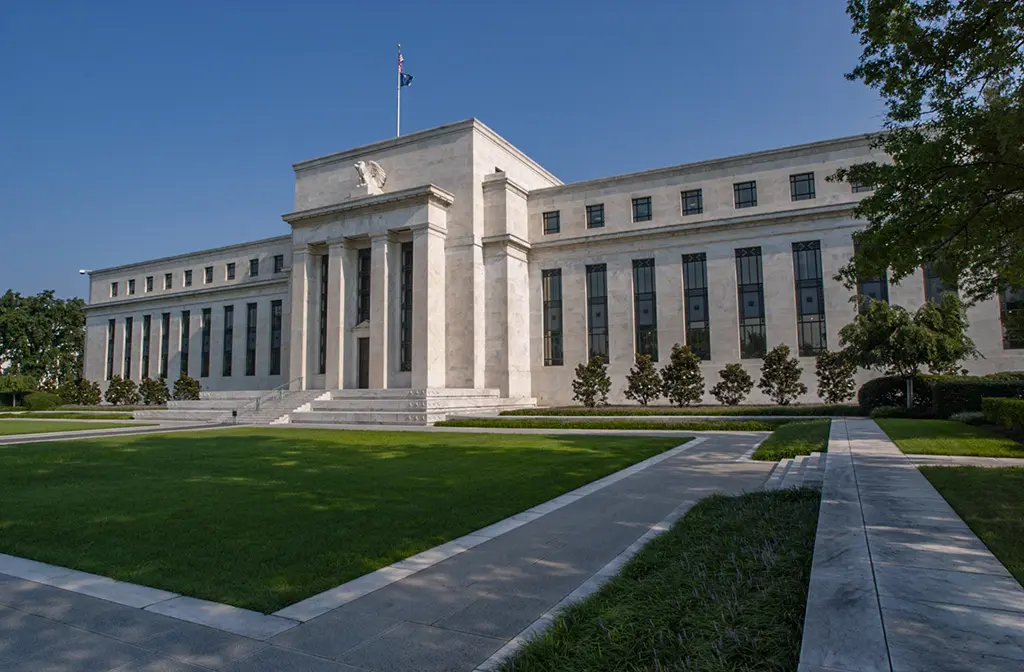
Persistent inflation can keep interest rates and Treasury yields higher for longer. Following the release, Treasury yields rose as markets assessed whether continued price growth could limit the scope for looser monetary policy. Higher yields can reduce investor appetite for volatile assets, adding pressure to Bitcoin after its earlier advance.
Bitcoin’s Macro Sensitivity Returns
The decline highlighted how quickly Bitcoin’s macro backdrop can change. Earlier in the week, BTC had surged above $81,000 alongside gold as falling yields, a weaker dollar and improving Treasury-market liquidity supported scarce assets. The move marked Bitcoin’s first trade above $80,000 since May.
Wednesday’s PCE release shifted attention back toward interest-rate expectations. The inflation data arrived after Bitcoin’s move above $80,000 and brought the recent rally back into focus as traders weighed the implications for U.S. monetary policy.
The reaction also followed a familiar pattern. Bitcoin had struggled to sustain gains after July’s CPI report even when that inflation reading came in cooler than expected, underscoring that macro data alone does not determine short-term BTC direction.
The $80,000 Test
The immediate question is whether Bitcoin can regain and hold the $80,000 level after the reversal. BTC had moved above that threshold earlier in the day before the inflation report sent it back toward $78,000.
If Treasury yields continue to rise and markets price in a more hawkish Federal Reserve path, $80,000 could remain difficult to reclaim in the near term. The latest move has left Bitcoin’s recent rally facing a fresh test after the stronger-than-expected headline PCE reading.

Macro Conditions Remain in Focus
The conditions that supported Bitcoin’s earlier move included falling Treasury yields, a weaker dollar and improving Treasury-market liquidity. Any renewed move toward $80,000 would take place against the backdrop of those same macro factors and the market’s response to the July PCE report.
For now, the inflation data has put renewed focus on Treasury yields and the outlook for monetary policy. Bitcoin’s ability to recover from the pullback will remain tied to how markets assess those conditions following the latest PCE release.
About Author

About Author




