


CLARITY Act Faces 60-Vote Test as Sept. 15 Nears
The CLARITY Act faces a procedural Senate vote on Sept. 15, but Republicans still need Democratic support to reach the 60-vote threshold.

The Digital Asset Market Clarity Act has a procedural date on the Senate calendar. The Senate Democrats’ published schedule lists a cloture motion on the crypto market-structure bill as eligible for action on Sept. 15 at 2:15 p.m.
What Actually Ripens on Sept. 15
The Senate Democrats’ published schedule confirms the cloture motion on H.R. 3633, Calendar No. 423, becomes eligible for action at 2:15 p.m. on Sept. 15. That timing is procedural, not final: senators would be voting on whether to invoke cloture on the motion to proceed, the step that opens consideration, not on passage of the bill itself.
Cloture requires 60 votes in a fully seated Senate – three-fifths of members duly chosen and sworn – a threshold that determines whether the motion can overcome the chamber’s extended-debate hurdle. Clearing that bar moves H.R. 3633 closer to Senate consideration; failing it stalls the motion at that stage without killing the bill outright.
The bill has already cleared two major hurdles. The House passed it 294-134 on July 17, 2025, and the Senate Banking Committee advanced it 15-9 on May 14. The Senate Agriculture Committee separately moved the companion Digital Commodity Intermediaries Act on Jan. 29, expanding CFTC authority alongside the House-passed framework. Readers tracking the mechanics of that 60-vote test in more detail can find additional coverage in recent reporting on the Senate vote threshold.
McHenry Frames the Calendar Win
Former Rep. Patrick McHenry, R-N.C., said on X on Aug. 8 that landing floor time itself was the notable development. He said the Hill, and especially the Senate, is driven by the calendar or floor time, and that with Senate Majority Leader John Thune giving crypto that time, senators will be on the record even if the process has been delayed.
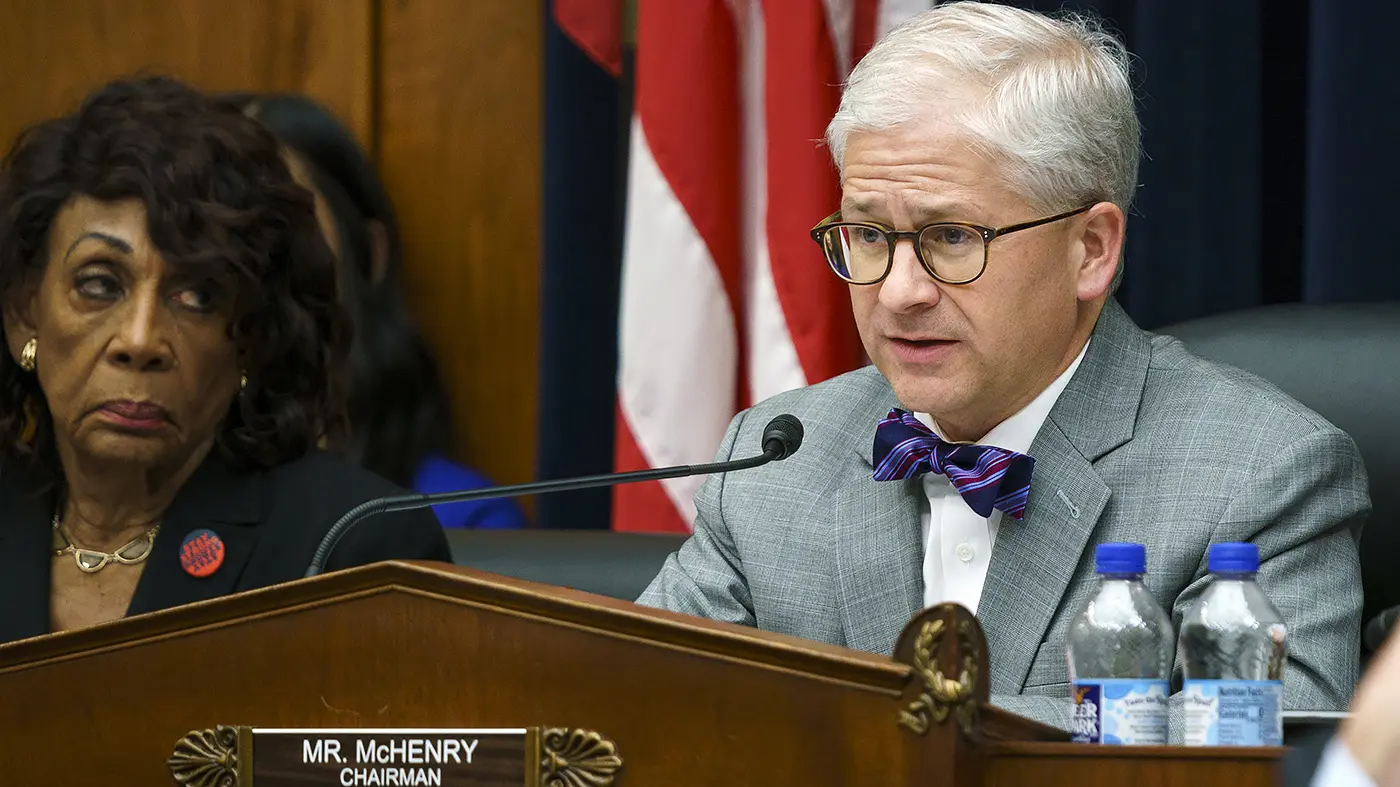
That framing matters because floor time has been the bill’s scarcest resource for months. A Sept. 15 vote is not guaranteed to happen exactly as scheduled – the cloture motion could be withdrawn or vitiated, senators could strike a unanimous-consent agreement that shifts the timing, or leadership could insert another procedural step ahead of a roll-call vote.
The Vote-Count Problem Republicans Still Face
Getting a date on the calendar is not the same as having the votes. Republicans need roughly six Democratic crossovers to hit 60, a gap that has not meaningfully closed since only two Democrats backed the bill in Senate Banking Committee, according to reporting from Yahoo News.
Negotiators are still working through disputes over illicit-finance and law-enforcement protections, unresolved stablecoin yield and rewards language, and government-ethics provisions. Political pressure has intensified after Senator Bernie Moreno signaled that negotiations over the bill had ended, shifting attention squarely to whether supporters can lock down the votes when the Senate reconvenes. Background on those stablecoin and ethics disputes, plus Lummis’s role steering the Banking Committee’s Digital Assets Subcommittee, is covered in earlier coverage of the Senate negotiations.
Separately, the stablecoin debate has its own market-structure implications worth tracking – recent analysis on stablecoin deposit-flight arguments touches on the same policy fault lines feeding into the CLARITY negotiations.
What Passage Would Actually Do
H.R. 3633 would build a regulatory framework for digital commodities by dividing jurisdiction between the CFTC and the SEC. The text covers trade monitoring, recordkeeping, customer asset commingling rules, alternative trading systems, and provisional registration – the plumbing that’s been missing for exchanges and issuers trying to operate under clear rules rather than case-by-case enforcement.
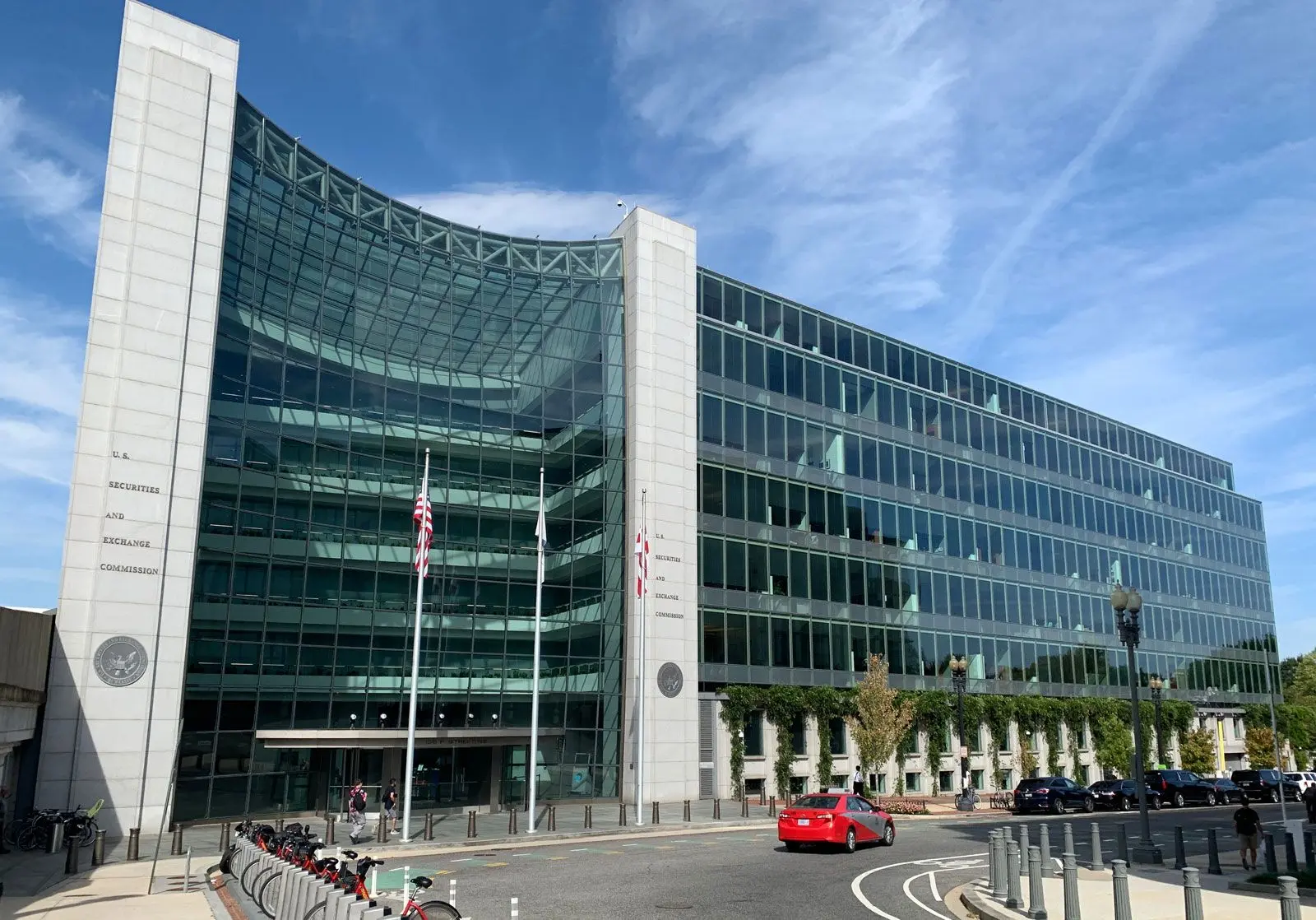
That’s the upside case market participants have been pricing for months: a durable jurisdictional line that reduces regulatory whiplash and gives institutional desks a framework to underwrite compliance risk against. The risk is that none of it happens on schedule – the bill has already survived one committee gauntlet and a House vote, and it can still stall on a Senate floor where the math hasn’t changed in months.
What Happens After Sept. 15
If cloture succeeds, the Senate moves closer to considering H.R. 3633. If it fails, the motion to proceed does not advance at that stage, though leadership could attempt another procedural path later in the session.
Should the bill clear the Senate, it would return to the House for another vote before reaching the president’s desk. With the September window closing fast ahead of midterm campaigning, this stretch is widely viewed as the last realistic chance for the legislation to become law this year – full text and status can be tracked directly via Congress.gov’s bill page.
Follow CoinNews on X and Telegram for real-time updates on the CLARITY Act’s Senate vote.
About Author

About Author