


CLARITY Act Faces Clock: Thune Holds Floor Spot, but 60-Vote Gap Looms
Senate leaders have reserved floor time for the CLARITY Act before August recess, but no cloture filing and a 60-vote shortfall keep the outcome uncertain.
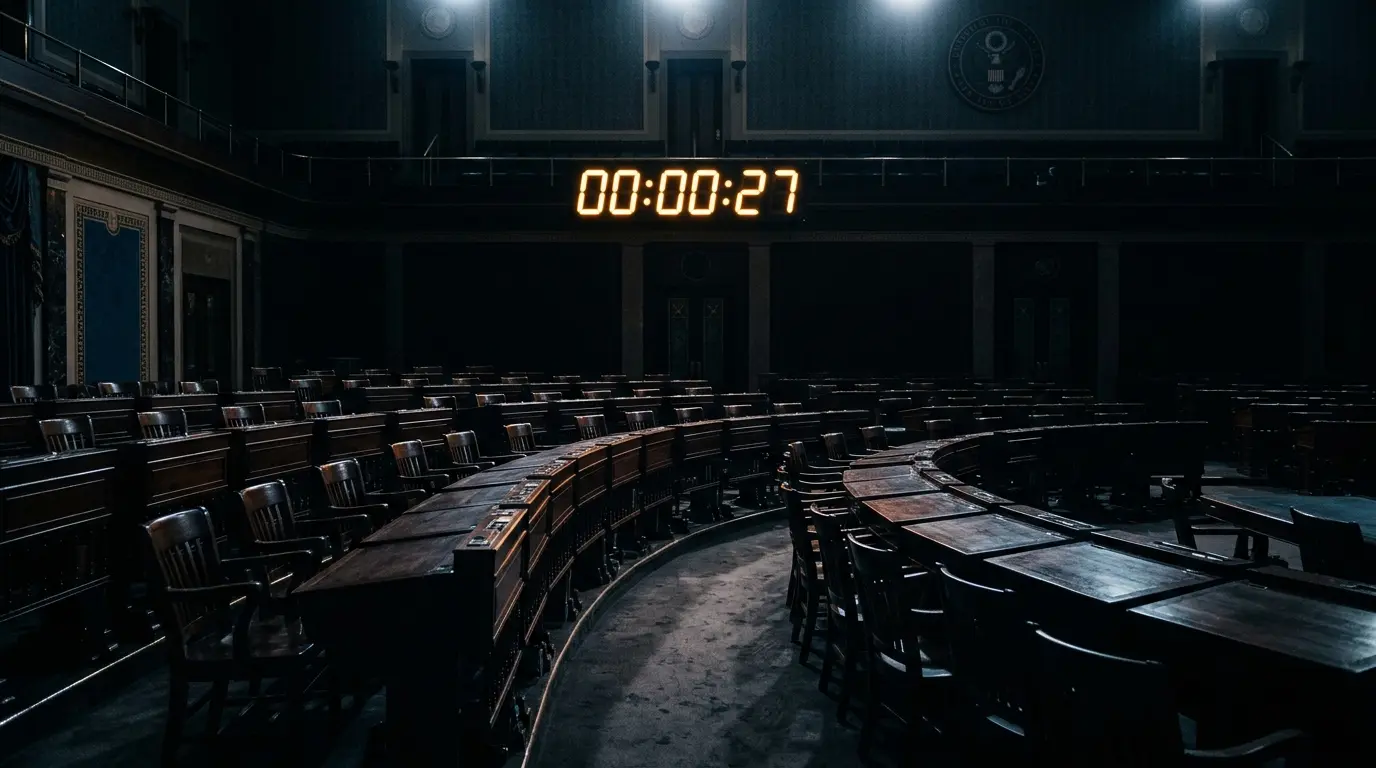
Sen. Cynthia Lummis told crypto journalist Eleanor Terrett that Senate Majority Leader John Thune has held a place for the CLARITY Act on the Senate floor agenda and that leadership still intends to bring the crypto market structure bill to a vote before lawmakers leave Washington for the August recess – though an unconfirmed schedule, a crowded calendar, and an unresolved 60-vote math problem leave the outcome genuinely uncertain.
Lummis: Thune Has Reserved Floor Time, But No Date Is Locked
Lummis stated that lawmakers have roughly one more week in Washington before the recess, with nominations, a continuing resolution debate, and votes tied to Iran and Russia-Ukraine sanctions all competing for limited floor time alongside the crypto bill. Despite those competing demands, she said Thune had continued to protect space on the agenda for the CLARITY Act for several weeks running.
According to Lummis, the Senate could move on the bill within days, but she could not confirm whether action would begin immediately or early the following week. Critically, her comments indicate that leadership is testing the bill on the floor rather than guaranteeing a final passage vote – a distinction that matters for anyone treating this as a binary catalyst.
Senate records had not confirmed a CLARITY Act cloture filing as of publication, meaning the vote remains an expectation rather than a scheduled procedural event. Without a formal cloture filing from Thune, public statements from Lummis and others represent intent, not a locked timeline. Each passing day narrows the available floor window as the recess approaches.
Ethics Compromise Could Unlock Democratic Votes
The renewed floor-vote push coincides with a revised ethics proposal submitted to the White House by Republican Sen. Thom Tillis and Democratic Sen. Ruben Gallego. Their counterproposal would shift enforcement of a ban on federal officials issuing or sponsoring digital tokens from the U.S. Attorney General to state authorities – a structural change designed to address Democratic objections that placing enforcement solely within the Justice Department would lack sufficient independence from the executive branch.
The White House had previously indicated on July 22 that it accepted extensive federal ethics restrictions following separate talks with Lummis and Sen. Bernie Moreno, though the final text and enforcement mechanism were not released at that time. The Tillis-Gallego revised language still requires White House sign-off and sufficient Senate support to advance the broader legislation – neither of which has been publicly confirmed.
Treasury Secretary Scott Bessent increased external pressure this week by calling publicly for an immediate Senate vote, arguing on X that further inaction risks weakening U.S. competitiveness in digital assets and accusing Democrats of prolonging the delay. Bessent’s intervention reflects growing White House urgency as the legislative window compresses.
The 60-Vote Problem Has Not Gone Away
Republicans control 53 Senate seats, meaning the CLARITY Act almost certainly needs at least seven Democratic votes to clear the chamber’s 60-vote cloture threshold – the procedural hurdle that allows legislation to reach a final passage vote. That math is not resolved by Lummis’s floor-time comments or Bessent’s public pressure.
The House passed its version of the CLARITY Act in July 2025 by a 294–134 vote, with 78 Democrats supporting it – a margin that suggests cross-aisle appetite exists, but House Democratic votes do not automatically translate to Senate Democratic votes, particularly on a bill that has accumulated months of additional friction over ethics enforcement, illicit-finance provisions, and stablecoin treatment.
Several Democrats have specifically objected to provisions governing who enforces restrictions on federal officials’ token activities, a point the Tillis-Gallego proposal targets directly. Other outstanding disputes – including provisions affecting blockchain developers and passive stablecoin rewards – could still generate additional procedural complications even if the ethics language is resolved. The Senate Banking Committee advanced its version of the bill earlier this year with two Democratic votes at committee level, but committee support has historically not guaranteed floor support from the same members.
What the CLARITY Act Would Actually Do
The Digital Asset Market CLARITY Act proposes a formal division of crypto oversight between the Securities and Exchange Commission and the Commodity Futures Trading Commission, establishing a regulatory framework for exchanges, brokers, dealers, and token issuers. It would place exchanges and brokers under Bank Secrecy Act requirements and impose restrictions on passive stablecoin rewards while permitting incentives tied directly to transactions.
For U.S.-listed tokens, exchange platforms, and stablecoin issuers, passage would create a structurally clearer compliance path than the current regulation-by-enforcement environment. Large centralized platforms and compliant stablecoin issuers that have been operating under persistent jurisdictional uncertainty between the SEC and CFTC stand to benefit most directly. The ethics provisions covering the president, vice president, members of Congress, and the federal judiciary are included in the package, though the enforcement mechanism remains the live negotiating point.
Sen. Bill Hagerty has separately urged Senate leadership to force a floor vote rather than extend negotiations further, arguing publicly that putting the bill to a vote would clarify where Democrats actually stand. That framing – force the vote, surface the opposition – suggests at least some Republican senators are willing to accept a failed cloture vote as a political outcome if it shifts accountability ahead of the election cycle.
What Comes Next and What Investors Should Watch
The most concrete near-term signal is whether Thune files a cloture motion on the CLARITY Act and formally slots it into the floor schedule alongside the funding and sanctions votes already competing for time. A cloture filing would transform Lummis’s expectation into a confirmed procedural event with a countable timeline. Absence of that filing as the recess approaches is the clearest indicator that the bill has been bumped to the post-recess calendar.
If the bill does not reach a floor vote before the August recess, the consequence is not just a delay – it narrows the time available to reconcile the Senate version with the House-passed text, manage amendments, and complete the remaining steps before political dynamics shift further. Crypto asset markets have already shown sensitivity to each procedural update, and a confirmed cloture filing versus a missed recess deadline represent materially different regulatory outlooks for U.S.-exposed assets.
Lummis said she believes Thune intends to follow through. Whether that intent survives contact with a packed final week of Senate business – nominations, sanctions votes, and a continuing resolution debate all pressing simultaneously – is the question the market will be forced to price as the recess approaches.
Follow CoinNews on X and Telegram for real-time updates on the CLARITY Act Senate floor schedule and all major crypto regulatory developments.
About Author

About Author