

EU Creates Country-Level Tool to Target Crypto Sanctions Evasion
The EU’s Annex LVII creates a country-level crypto sanctions tool, with transaction bans taking effect on August 25, 2026.

The European Union’s Council adopted a legal mechanism on July 23 that it had not previously held: the power to bar an entire country’s crypto-asset sector from transacting with EU operators, rather than designating platforms one at a time. The new tool, Annex LVII to Regulation 833/2014, was introduced in the EU’s 21st Russia sanctions package, which included 218 new designations. Its transaction bans take legal effect on August 25, 2026.
What Annex LVII Actually Changes
Under the previous approach, the EU designated individual exchanges and other entities. Annex LVII changes that structure: once the Council adds a jurisdiction to the annex, crypto-asset service providers operating there can be barred from transacting with EU operators, whether or not a particular firm has been individually designated.
The annex is currently empty, with no countries listed. TRM Labs has described the mechanism as infrastructure for addressing crypto-related sanctions-evasion activity at a national level rather than through individual platform designations.
The package also extends a transaction ban to 14 crypto-related service platforms based outside the EU. The platforms operate collectively in Georgia, Panama, the UAE, the Marshall Islands, Kyrgyzstan and Belarus. The named platforms include HTX, formerly Huobi; Rapira; Exmo; Bitpapa; Exnode; Aifory Pro; ABCeX; WhiteBird; NoOnecrypto; Tradex; Monease; PilotFinance; and two A7 Africa-linked entities. Four additional designations target the A7 network, including entities connected to its recently established operations in Africa.
Why Entity-by-Entity Sanctions Failed to Stop the Flow
The case for a country-level ban rests on the limits of platform-by-platform enforcement. When US authorities and European law enforcement agencies seized the Garantex exchange in March 2025, they immobilized roughly $28 million in USDT held by Garantex-controlled wallets. Tether’s token contract includes a freeze function that can immobilize tokens in specified wallets.
Within weeks, a successor exchange, Grinex, was operating. Grinex traded a ruble-pegged stablecoin called A7A5, issued from Kyrgyzstan by Old Vector LLC and backed by deposits at Promsvyazbank, a Russian state-owned lender that finances Russia’s defense sector.
A7A5 was designed without a freeze function. Without such a function, an external party cannot immobilize the token in the way that USDT holdings were frozen after the Garantex seizure. The remaining way to disrupt its trading is to restrict the platforms where it can be exchanged for other assets or fiat currency, a gap Annex LVII is intended to address.
By January 2026, A7A5 had crossed $100 billion in cumulative on-chain transactions, with daily trading volume exceeding $1.5 billion at its peak, primarily through Grinex. Cumulative Russia-connected stablecoin flows across the broader network exceeded $110 billion before the latest enforcement round. Grinex suspended operations in April 2026 after reporting a hack, and blockchain data showed A7A5 transaction volumes fell by more than 90% from their January peak afterward. The token supply remained on-chain, while the A7 ecosystem continued issuing derivative products including Promsvyazbank card top-ups and virtual debit cards.
The MiCA Overlap Raises the Compliance Stakes
The timing adds pressure for compliance teams. MiCA’s transitional period closed on July 1, 2026, and the 21st package extends the EU’s existing prohibitions on crypto-asset wallet, account and custody services to other crypto-asset services as defined under MiCA. The sanctions perimeter and the regulatory perimeter therefore now share the same boundary.
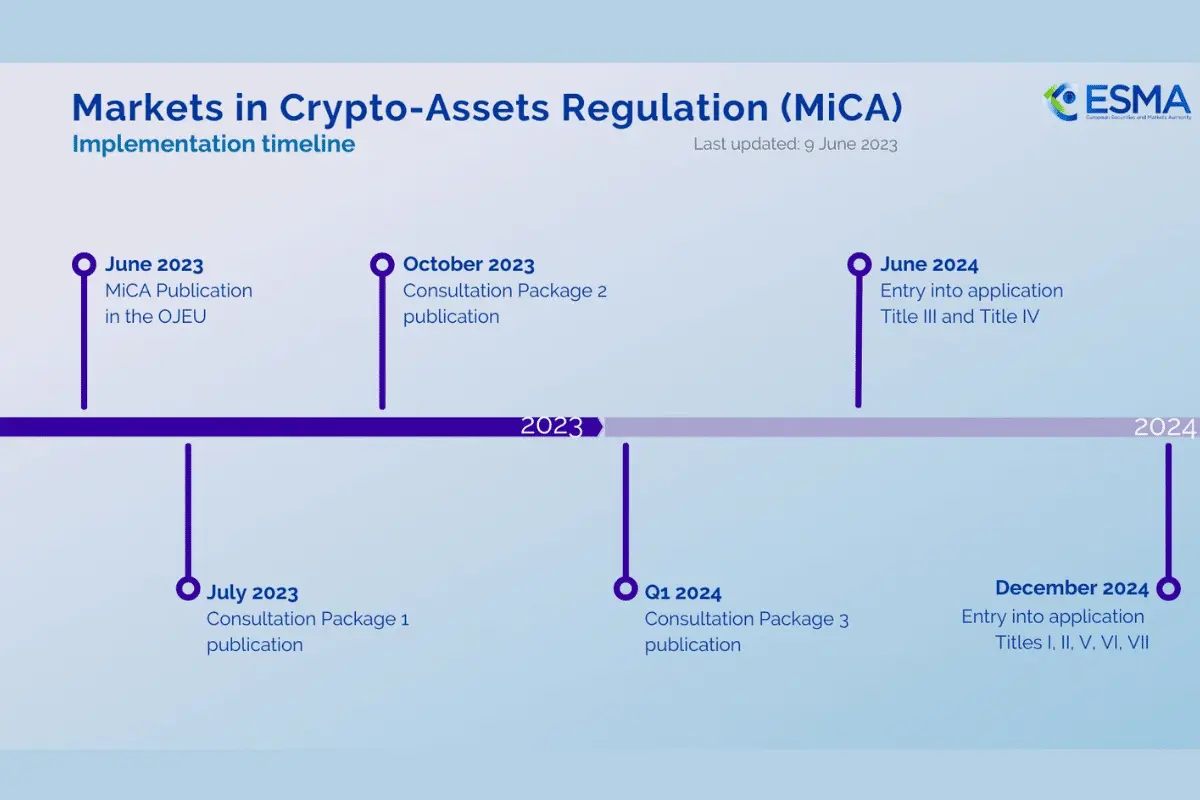
For firms operating under MiCA across the EU, the practical deadline is August 25, 2026. The new transaction bans mean firms must assess direct and indirect counterparty relationships involving newly designated entities and the 14 transaction-banned platforms.
Kyrgyzstan Is a Potential Candidate
Kyrgyzstan hosted both Grinex and the A7A5 issuance infrastructure. A Kyrgyz bank was also newly designated in the same package for connections to SPFS, Russia’s domestic interbank messaging system. Compliance analysts have identified Kyrgyzstan as a potential early candidate for a country-level listing.
If Annex LVII were activated against Kyrgyzstan, EU-regulated crypto exchanges, banks and payment providers would be barred from processing transactions with crypto-asset service providers operating in that jurisdiction. That would be broader than an individual entity designation.
Russia moved in the opposite regulatory direction two days before the EU package was adopted. On July 21, Russia’s State Duma passed Bill 1194918-8 in its second and third readings, creating a state-licensed framework for cryptocurrency exchanges, brokers, management companies, depositories and exchangers under Bank of Russia supervision. The bill permits cryptocurrency use in foreign economic activities and cross-border settlements, while domestic crypto payments remain prohibited. Core provisions are set to take effect on September 1, 2026, subject to the remaining legislative steps.
What Comes Next
Whether Annex LVII is used will depend on future decisions by the EU Council and on whether jurisdictions continue to host infrastructure that facilitates sanctions evasion. The mechanism creates a legal basis for country-level restrictions while leaving the annex unpopulated for now.
Retail investors holding balances on any of the 14 newly designated platforms face the August 25 deadline as the transaction bans take effect. For EU-regulated operators, the package expands the need to assess counterparties, crypto-asset service providers and related transaction pathways against the new restrictions.
Follow CoinNews on X and Telegram for ongoing coverage of EU crypto regulation and sanctions enforcement.
About Author

About Author