


$150M in Legal Bills and a Near-Shutdown: Ripple’s SEC Battle Exposed
Ripple CEO Brad Garlinghouse reveals the company weighed distributing XRP to shareholders and shutting down after the SEC’s 2020 lawsuit cost $150M in legal fees.

Ripple CEO Brad Garlinghouse disclosed that the company came within reach of a full shutdown following the SEC‘s 2020 lawsuit, with leadership actively weighing a scenario in which Ripple would distribute its XRP holdings to shareholders on a pro rata basis and dissolve – a decision that would have eliminated hundreds of jobs and ended the company’s legal fight entirely.
The Shutdown Calculation Garlinghouse Ran in 2020
Speaking on the KU Hustle podcast at the University of Kansas School of Business – published July 8 – Garlinghouse described the internal logic behind the shutdown option in concrete terms: “We almost decided to shut down the company when the SEC sued us … The company owns a lot of XRP … We could have shut it down and … just distribute the XRP to shareholders on a pro rata basis.”
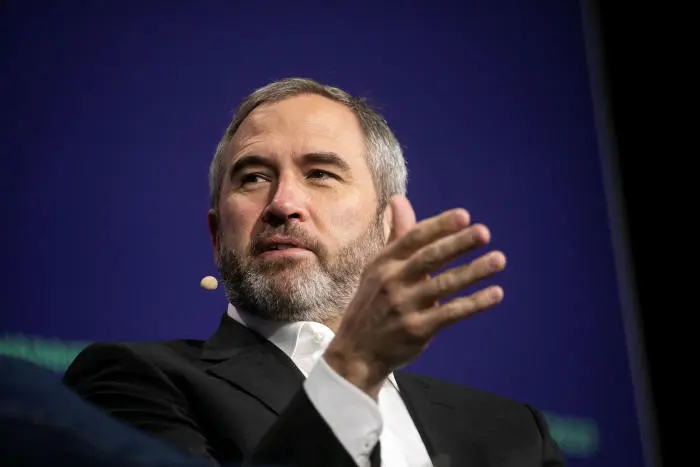
He framed the hypothetical as a way to neutralize the SEC’s core allegation. “You guys think these are securities. Ripple doesn’t own it anymore. Ripple’s gone now,” Garlinghouse said, characterizing what that exit would have looked like rather than describing a decision that was executed.
What stopped it was the cost to employees. “Hundreds of people would have lost their jobs. I think that was a bad outcome, but in some ways it was the easier outcome,” Garlinghouse said. The harder path – continuing to operate and fight the case – came with no guarantee of success and years of operational paralysis in the U.S. market.
XRP was trading at $1.09, down 0.76% on the day, at the time of publication – a price that reflects how far the token has traveled since the lawsuit’s nadir, but also how much regulatory overhang the market continues to discount into its valuation.
What the SEC Case Actually Cost Ripple
The numbers from the four-year legal fight are significant. Garlinghouse said Ripple spent $150 million on legal bills across the dispute, while its U.S. business remained largely stagnant for roughly five years. That operational freeze – being effectively locked out of domestic institutional partnerships and banking relationships – represented a cost that no legal fee line item captures.
The SEC’s original 2020 complaint alleged Ripple sold $1.3 billion of XRP as an unregistered security, naming Garlinghouse and co-founder Chris Larsen alongside the company. That personal exposure – with the SEC originally seeking roughly $2 billion in penalties and disgorgement – made the shutdown calculation more than academic.
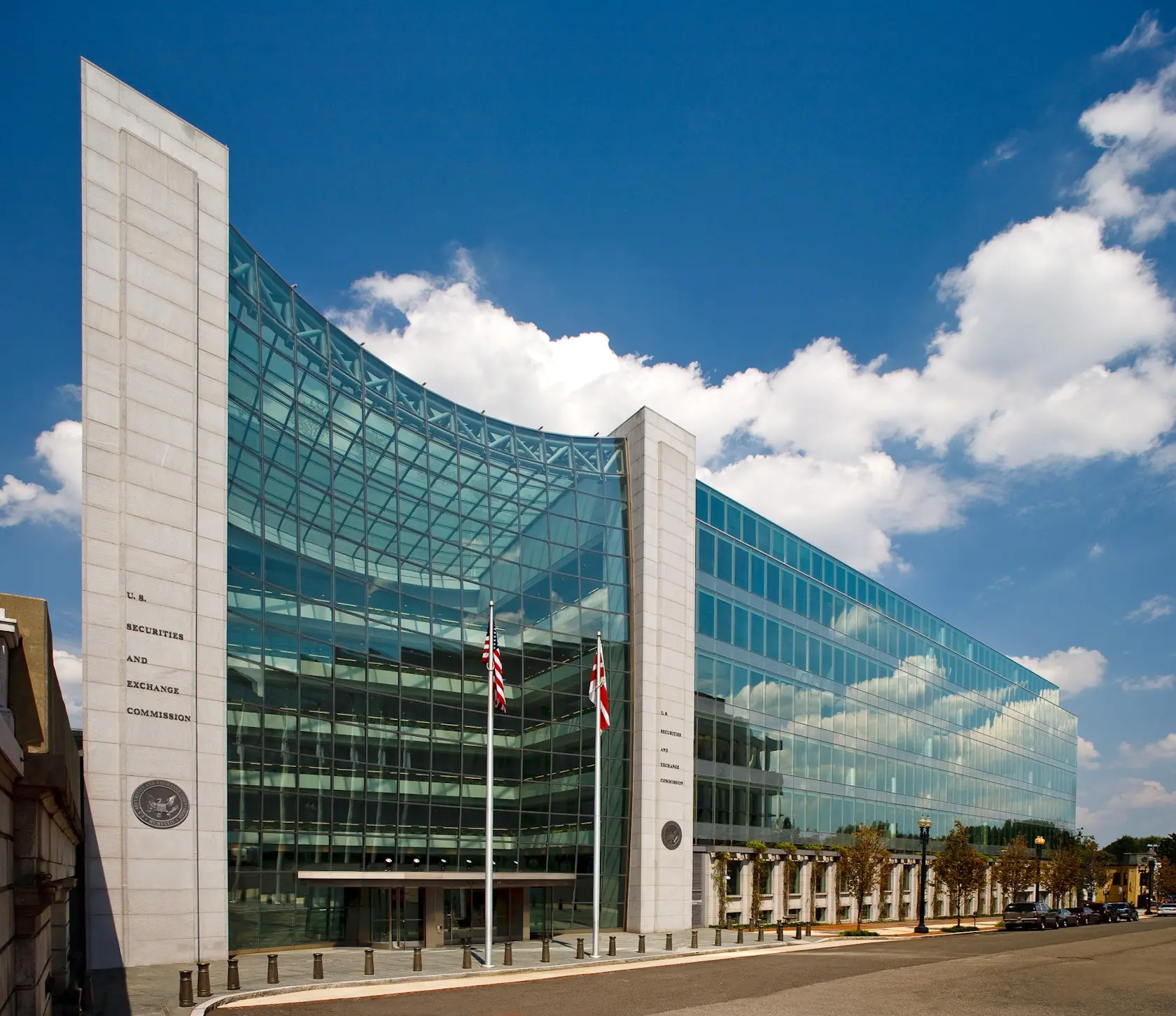
The case produced a landmark ruling in 2023. U.S. District Judge Analisa Torres issued a split decision finding that XRP sales on public exchanges were not securities transactions, while institutional sales carried different legal treatment under the Howey test. That distinction – programmatic retail trading as non-security, structured capital-raising as security – has since become a reference point in how U.S. courts and regulators approach token classification. The regulatory pressure environment during that period was compressing the entire sector, a dynamic that tracked institutional flows across all major digital assets.
Ripple was ultimately ordered to pay a $125 million civil penalty and accept a compliance injunction. Both sides filed appeals, then agreed to dismiss them. The case formally concluded in August 2025 after the Second Circuit appeals were withdrawn, leaving Judge Torres’ 2023 ruling as the governing precedent.

Garlinghouse said he met with SEC officials four times between 2017 and 2019 – before the lawsuit – to explain how Ripple deployed XRP within its payment network. He said regulators gave no indication during those meetings that XRP could be classified as a security, framing the 2020 suit as a regulatory reversal rather than a consistent enforcement position.
Regulatory Shift and What It Means Going Forward
The broader regulatory environment that produced the SEC lawsuit has materially changed. Under Chairman Paul Atkins and the Trump administration, the SEC moved away from regulation-by-enforcement toward a more engagement-focused posture, concentrating on traditional fraud cases rather than broad corporate penalties across the crypto sector. That shift – which arrived too late to spare Ripple its legal costs – is now the operating condition for the next generation of token issuers and payment networks trying to build in the U.S. market.
For Ripple specifically, the resolution carries a multi-year compliance tail. Enhanced disclosure requirements for institutional XRP sales and periodic regulatory reporting are expected to run through approximately 2029, meaning the case’s administrative weight persists even after the litigation ended. Any compliance misstep inside that window could reactivate regulatory scrutiny at a moment when the company is trying to rebuild its U.S. commercial pipeline. The severity of what full regulatory enforcement can do to a company’s operating continuity – including exchange-level shutdowns – remains a live lesson for anyone building infrastructure dependent on a single regulatory outcome, as seen in recent cases where regulatory pressure forced exchange operators to halt withdrawals and wind down operations.
The Torres ruling’s programmatic-sales precedent is also unfinished business for the industry. Securities lawyers have consistently noted that while retail trading on exchanges received a clean determination, structured institutional sales remain squarely inside traditional securities law – a line that future token issuers will need to navigate with precision if they want to avoid the kind of existential legal fight Ripple absorbed.
Garlinghouse’s retrospective assessment of the decision to continue operating was direct: “That was a difficult decision, and obviously I’m glad in retrospect, but that was not obvious at the time.” For XRP holders, that statement is a reminder that the token’s current price rests on a decision that, under different circumstances, might have resulted in a pro rata XRP distribution to Ripple shareholders and the dissolution of the company that has remained the token’s most visible institutional anchor.
The market will be forced to price how much of XRP’s current $1.09 valuation reflects the company’s continued operational existence versus the token’s standalone utility – and whether the compliance obligations running to 2029 represent a contained liability or a structural ceiling on Ripple’s ability to expand its institutional footprint in the U.S.
Follow CoinNews on X and Telegram for ongoing market and regulatory updates.