


Russia’s 259-FZ: How the Digital Asset Law Works in 2026
From Article 14’s payment ban to the January 2026 Constitutional Court ruling, here’s what Russia’s 259-FZ means for crypto holders and traders.

Federal Law No. 259-FZ, Russia’s foundational statute governing digital financial assets and digital currency, was signed on July 31, 2020, entered into force on January 1, 2021, and remains active law as of June 22, 2026 – amended most recently through December 15, 2025 and qualified by a Constitutional Court ruling in January 2026 that directly altered how courts protect digital-currency claims.
What 259-FZ Actually Establishes
The law draws a hard legal line between two categories that most retail participants treat interchangeably. Digital financial assets (DFAs) are legally defined digital rights – monetary claims, equity-linked rights, participation rights in non-public joint-stock companies, or claims for delivery of securities – issued, recorded, and transferred through a distributed-ledger or other information system. Digital currency, by contrast, is defined as electronic data that may be offered or accepted as payment or investment but is not a Russian, foreign, or international monetary unit and carries no obligated issuer to each holder.
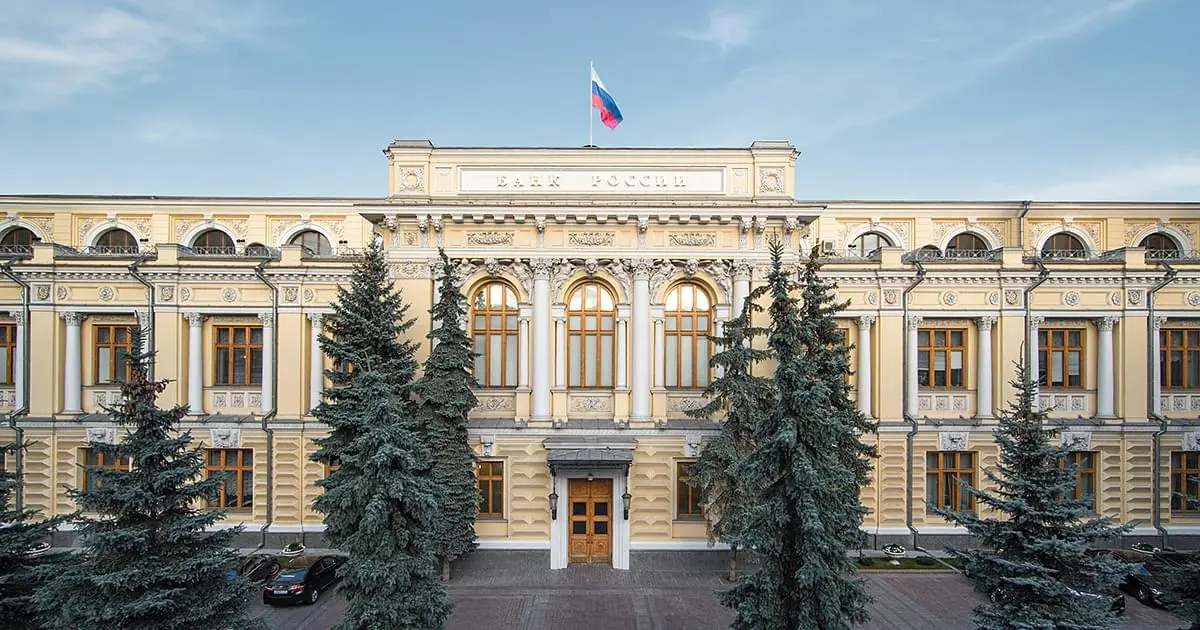
That distinction is not semantic. DFAs sit inside a regulated issuance and trading framework supervised by the Bank of Russia, which maintains separate registers for information-system operators and DFA exchange operators. Digital currency – the category that covers most privately issued crypto – faces a near-total domestic payment ban under Article 14, with narrow statutory exceptions.
A December 2025 amendment added a debt-DFA category limited to monetary claims, requiring full pre-issuance payment in money and mandatory monetary settlement of the represented obligations – tightening the conditions under which tokenized debt instruments can operate on licensed platforms.
Payment Restrictions and the 2024 Foreign-Trade Carve-Out
Article 14’s payment restriction is the provision that most directly affects retail and commercial crypto activity. Russian-law entities, Russian establishments of foreign entities, and individuals present in Russia for more than 183 days in a 12-month period cannot accept digital currency as consideration for goods, work, or services – and cannot offer or solicit such payment – outside of specified exceptions for issuance proceeds and mining rewards.
A March 2024 amendment created a narrow carve-out permitting DFAs as consideration under qualifying foreign-trade contracts between residents and non-residents. A separate 2024 provision allows special rules under a Bank of Russia-approved experimental legal regime, but this does not displace the general statutory prohibition – it layered on top of it.
The structural logic is clear: the law was designed to channel digital asset activity into tightly supervised DFA platforms while keeping privately issued crypto economically marginal for domestic commerce. Comparable regulatory pressure has emerged across multiple jurisdictions – the EU’s MiCA framework recently reached its enforcement phase, forcing operators to wind down non-compliant positions rapidly – illustrating how comprehensive national frameworks translate statutory text into immediate market consequences.
Mining Registration Framework Added in 2024
The 2024 amendments grafted a dedicated mining regime onto 259-FZ. Russian companies and individual entrepreneurs may mine after inclusion in a Federal Tax Service register; Russian citizens who are not individual entrepreneurs may mine without registration only within government-set energy consumption limits. Miners must report mined digital currency and the relevant identifier addresses to the FTS, and mining infrastructure operators are subject to a separate register.

The government retains authority to restrict mining in designated regions or territories – a provision with direct operational relevance given Russia’s history of energy-supply constraints and the geographic concentration of its mining capacity. Penalties for non-compliance with registration and reporting requirements are set under separate tax and administrative legislation.
January 2026 Constitutional Court Ruling Changes Judicial Protection
The most recent material development is Constitutional Court Decision No. 2-P, issued January 20, 2026. The ruling addressed Article 14(6), which conditioned judicial protection of digital-currency claims on prescribed reporting – effectively barring holders who had not filed the required disclosures from recovering assets through Russian courts.
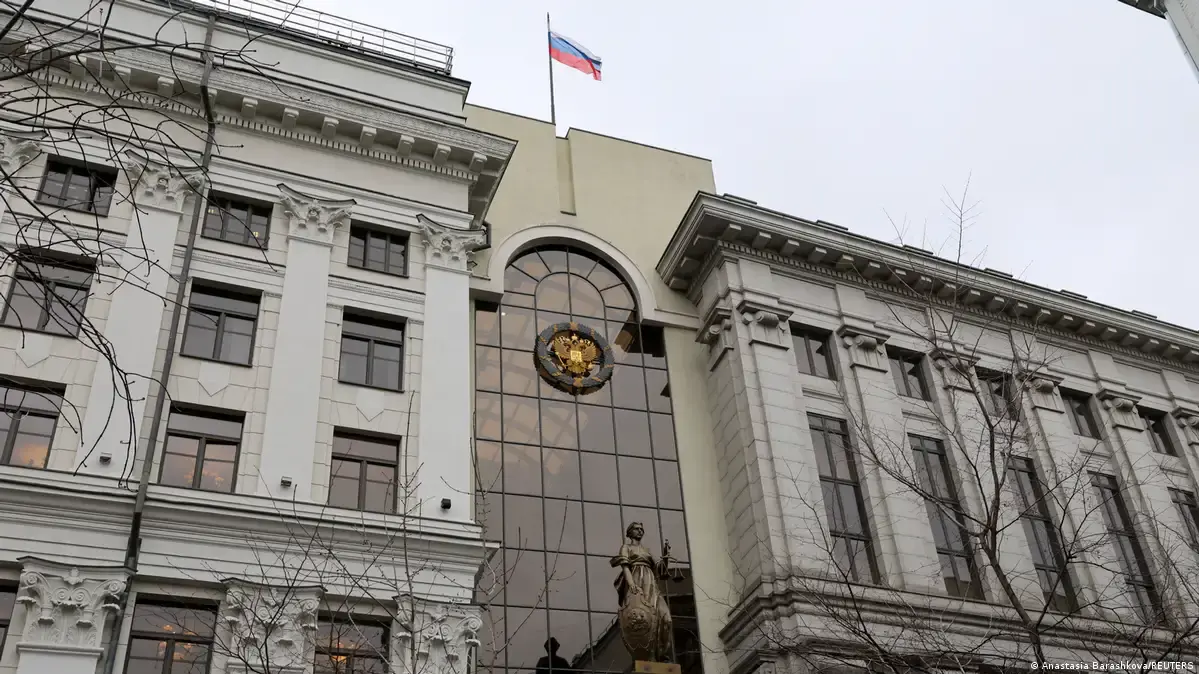
The court upheld that reporting condition specifically for digital currency obtained through mining, where reporting obligations are clearly defined. But it found the provision unconstitutional insofar as it blocked claims arising from lawful non-mining acquisition and use of digital currency – ruling that a claimant who can supply information demonstrating lawful acquisition and use cannot be denied judicial protection solely on the basis of a missed filing. The ruling took immediate effect, pending legislative amendments to bring Article 14(6) into conformity.
The practical consequence is significant. Before January 2026, Russian courts could refuse to hear digital-currency disputes where the claimant had not filed the required disclosures – a blanket mechanism that effectively stripped legal recourse from a large share of holders. The Constitutional Court’s intervention restores a conditional path to judicial protection for non-mining holders, though the legislative fix needed to fully implement the ruling has not yet been enacted.
Enforcement-level friction around crypto compliance is not unique to Russia.
What the Framework Means for Market Participants
For retail participants tracking Russian crypto market access, the operative constraints are Article 14’s payment ban, the reporting obligations attached to mining proceeds, and the Bank of Russia’s gatekeeping role over DFA platform operators. The DFA category – tokenized monetary claims, equity-linked rights, and now tokenized debt – functions as Russia’s tightly supervised alternative to open crypto markets, accessible through licensed platforms but structurally separate from secondary crypto trading on international exchanges.
The 2024 foreign-trade carve-out has attracted the most immediate commercial interest, particularly for entities structuring cross-border settlements that can no longer route through correspondent banking. Whether that carve-out expands, narrows, or generates its own enforcement actions will be the next inflection point for participants with Russia-linked trade flows.
The January 2026 Constitutional Court ruling introduces a new variable: litigation risk in Russian courts over digital-currency claims is now governed by a partially invalidated statute awaiting legislative correction. Until the Duma amends Article 14(6), courts are applying an interim standard – protection for demonstrably lawful non-mining holders, enforcement of reporting conditions for miners – that has no permanent statutory form. That ambiguity is the live legal risk the market is currently pricing into Russia-linked digital asset activity, and the market will be forced to price any further legislative response as it comes.
Follow CoinNews on X and Telegram for ongoing updates on crypto regulation across major jurisdictions.
About Author

About Author