


$288M in Seized BTC and ETH Reaches Coinbase Prime — Liquidation or Reserve Move?
On-chain data shows $288M in seized Bitcoin and Ether moved to Coinbase Prime, raising questions about US Strategic Bitcoin Reserve policy vs. liquidation.

On-chain tracking data indicates a transfer of approximately $288 million in Bitcoin and Ether to Coinbase Prime from wallets linked to government seizures. This movement is notable as a potential supply overhang event for both assets, though as of publication, no confirmed liquidation order has been publicly identified.
$288M Transfer: What the On-Chain Data Shows
The transfer appears to consolidate seized BTC and ETH holdings at Coinbase Prime, the institutional custody and trading platform operated by Coinbase. Routing assets to Coinbase Prime, instead of a known cold-storage address, suggests exchange-linked custody infrastructure, which could facilitate future liquidation, although no such sale has been officially announced.
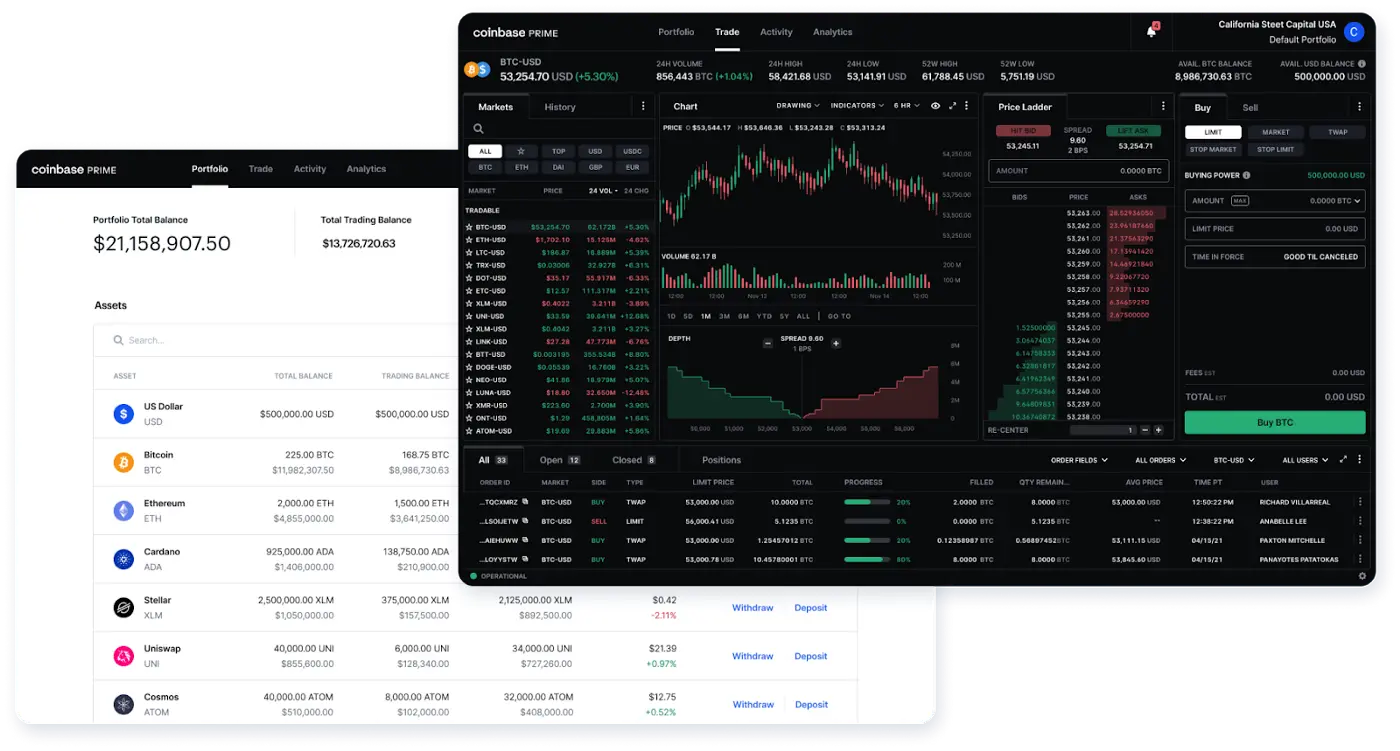
Blockchain monitoring platforms have observed a pattern of government-linked wallets moving assets to Coinbase Prime across multiple seizure cases. Estimates place the U.S. government’s total Bitcoin holdings from enforcement actions in the hundreds of thousands of BTC, representing a multi-billion dollar value, accumulated through various past enforcement activities.
Previous on-chain movements related to enforcement cases have included smaller transfers to Coinbase Prime deposit addresses, sometimes preceded by small test transactions. The $288 million transfer is notably larger than these prior movements and merits close observation of subsequent transaction activity.
Strategic Bitcoin Reserve Tension: Custody vs. Liquidation
In March 2025, the U.S. announced the establishment of a Strategic Bitcoin Reserve, intended to transition seized Bitcoin away from routine auction-style sales toward long-term holding. Under this framework, retention of seized Bitcoin is the default disposition, rather than liquidation.
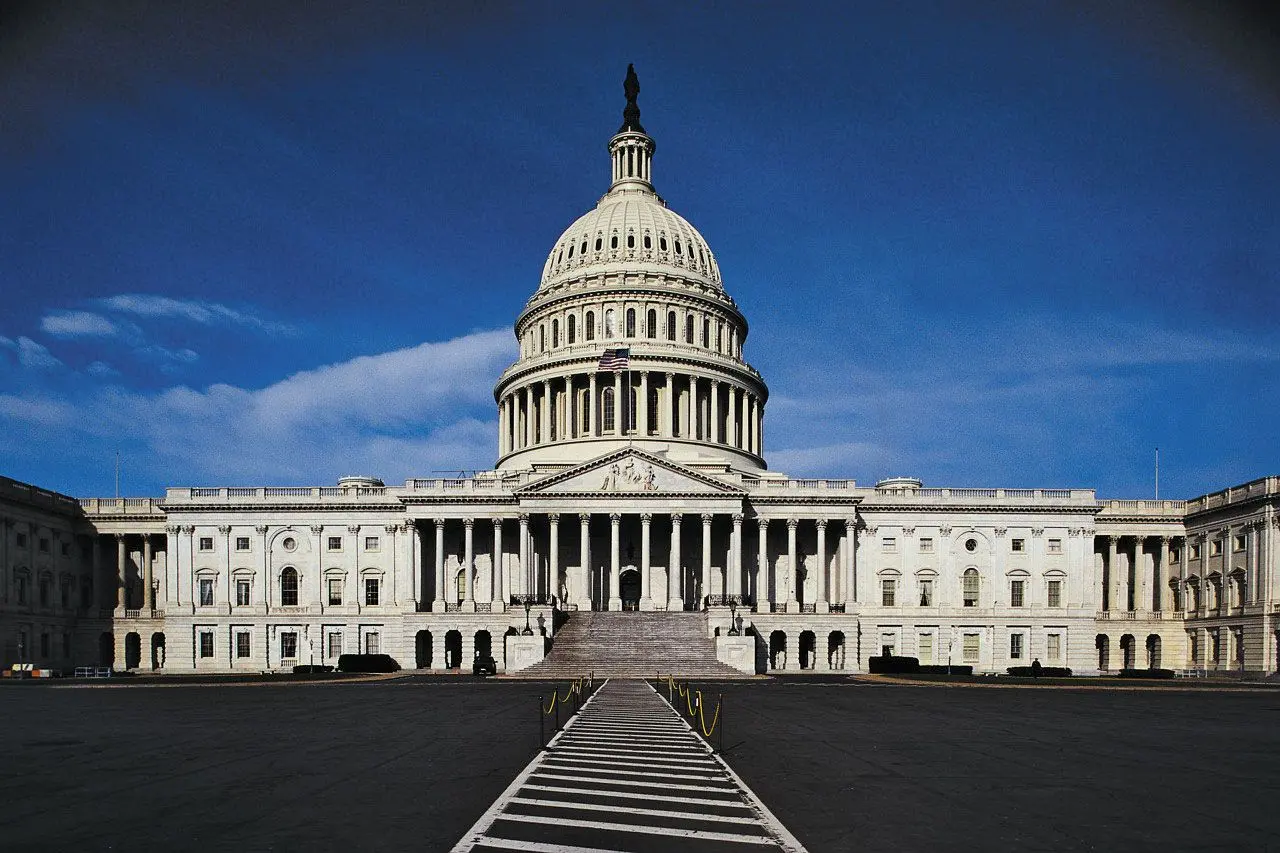
This policy creates apparent tension with on-chain evidence showing significant asset movements to Coinbase Prime. While Coinbase Prime functions as an institutional custodian reportedly serving institutional clients including asset managers, it is also an exchange platform that reportedly offers deep liquidity pools, meaning custody there is different from cold storage and could facilitate asset sales.
It remains unclear whether the $288 million transfer reflects reserve management or preparation for liquidation, as of the time of writing, no official statement from the U.S. Marshals Service or Treasury has been publicly identified. Market participants are therefore treating the position as a potential liquid overhang.
Market Impact: Overhang Risk and Order-Book Positioning
The price impact of a liquidation event of this size would depend on execution method. An OTC block trade through Coinbase Prime’s institutional desk might minimize disruption, whereas market orders against order books could have greater effects. Historically, government disposals of this scale have favored structured auctions or OTC channels.
More immediately, the psychological and positional impact on the market matters. Institutional flows heavily influence Bitcoin price action, with custody-layer movements shifting positioning before prices move. A known government block of this size at Coinbase Prime can lead to bid-side caution and wider option market spreads, especially near resistance levels.
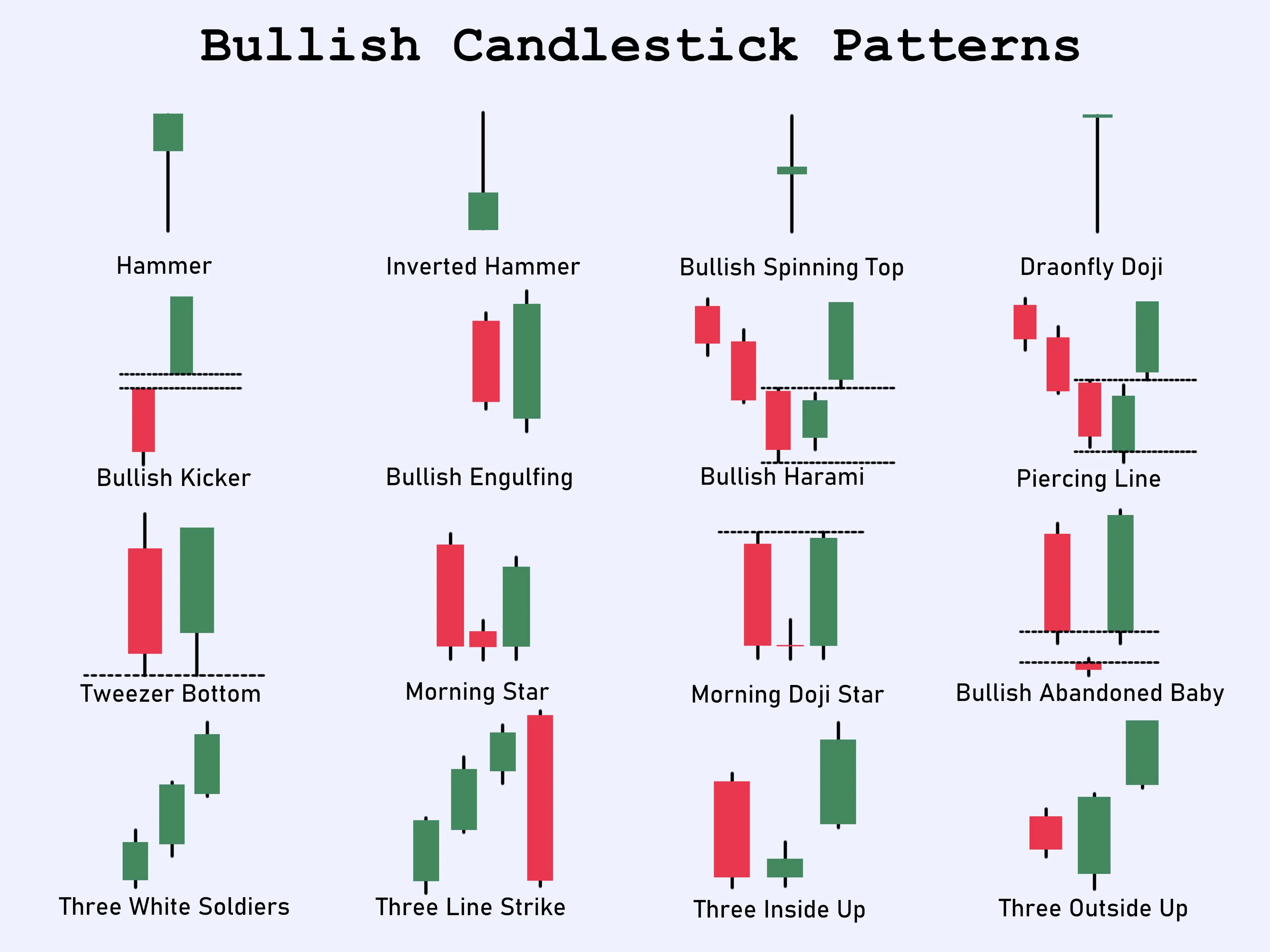
This transfer, while significant, would not be structurally destabilizing if absorbed over time or through OTC channels. Concentration and timing are the main risks.
What to Watch Next
Traders should monitor follow-on movements from the wallets involved. Tranching assets to Coinbase Prime deposit addresses could indicate staged liquidation, while assets remaining static would support the reserve management narrative.
Market watchers should also look for official announcements from the U.S. Marshals Service or Department of Justice regarding the disposition of seized assets. Past government crypto auctions have been publicly announced with defined bidding windows; the absence of such announcements is itself noteworthy.
The potential extension of the Strategic Bitcoin Reserve framework to Ethereum and other seized assets remains an open question. As of publication, no such policy change has been publicly announced.
Follow CoinNews on X and Telegram for real-time updates on institutional crypto flows and government asset movements.
About Author

About Author