


Strategy’s Real Risk Zone: What $8K Bitcoin Would Actually Mean
Strategy CEO Phong Le says Bitcoin would need to fall 85% to $8K–$10K before debt obligations become a real concern — but STRC and mNAV show pressure now.

Strategy CEO Phong Le put a specific number on the company’s risk tolerance Tuesday in a Bloomberg TV interview: Bitcoin would need to collapse to the $8,000–$10,000 range – roughly 85% below the current price of approximately $64,500 – before the firm would have to meaningfully reckon with its debt obligations, according to reporting by The Cryptonomist. That threshold reframes the conversation around Strategy’s leveraged Bitcoin position: the genuine stress scenario is not a bear market, it is a near-total wipeout of present value.
Le’s Threshold and What It Would Actually Take
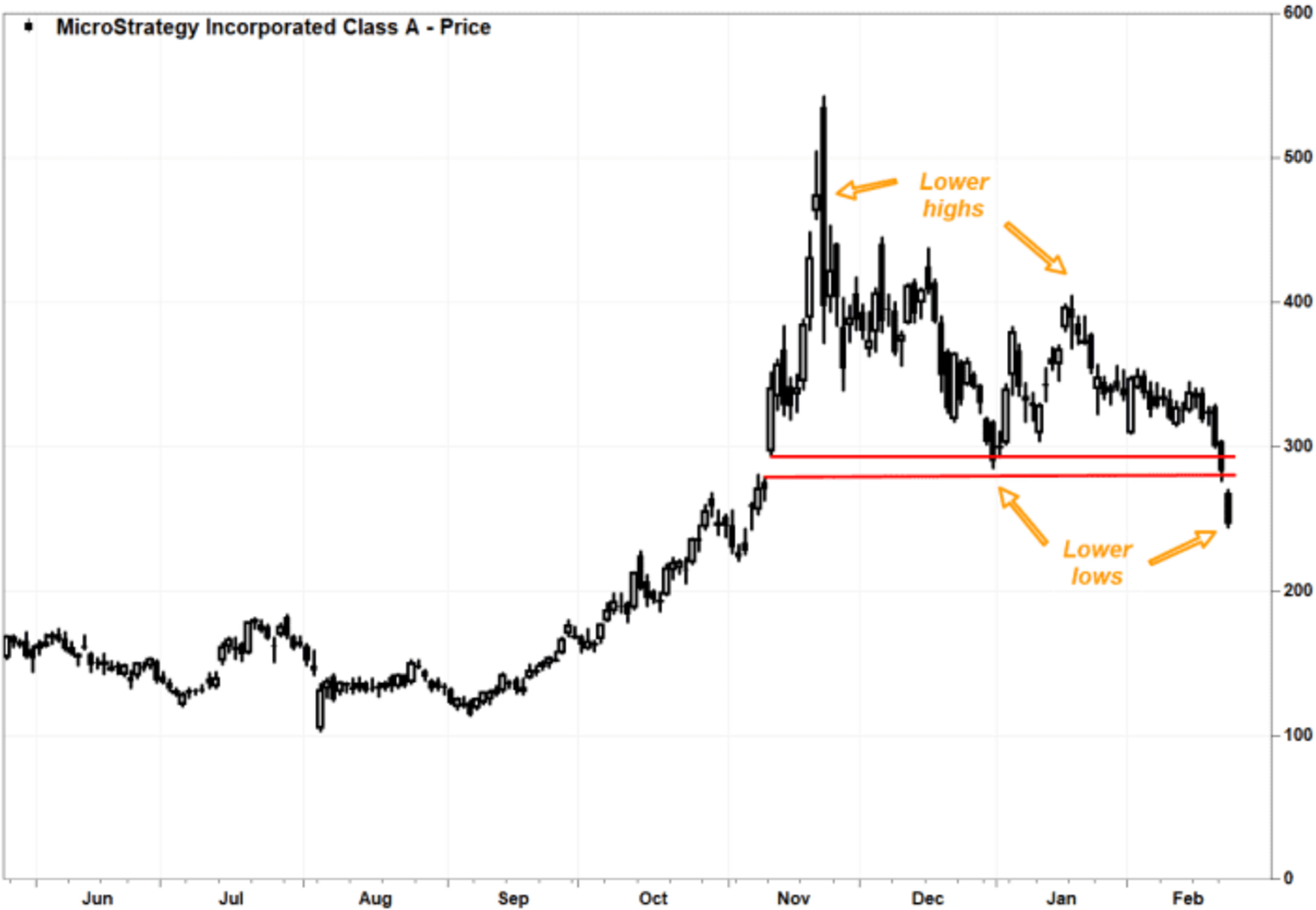
Le named the $8,000–$10,000 band as the level at which Strategy would have to consider some of the risk associated with its debt. Above that range, he said Strategy feels very secure about the balance sheet. The candor is notable – corporate executives rarely attach specific distress prices to public statements, and Le’s willingness to do so functions either as a demonstration of deep confidence in Bitcoin’s long-term floor or as a deliberate effort to stabilize investor sentiment around MSTR, which is down 36% year-to-date and 78% over the past 12 months.
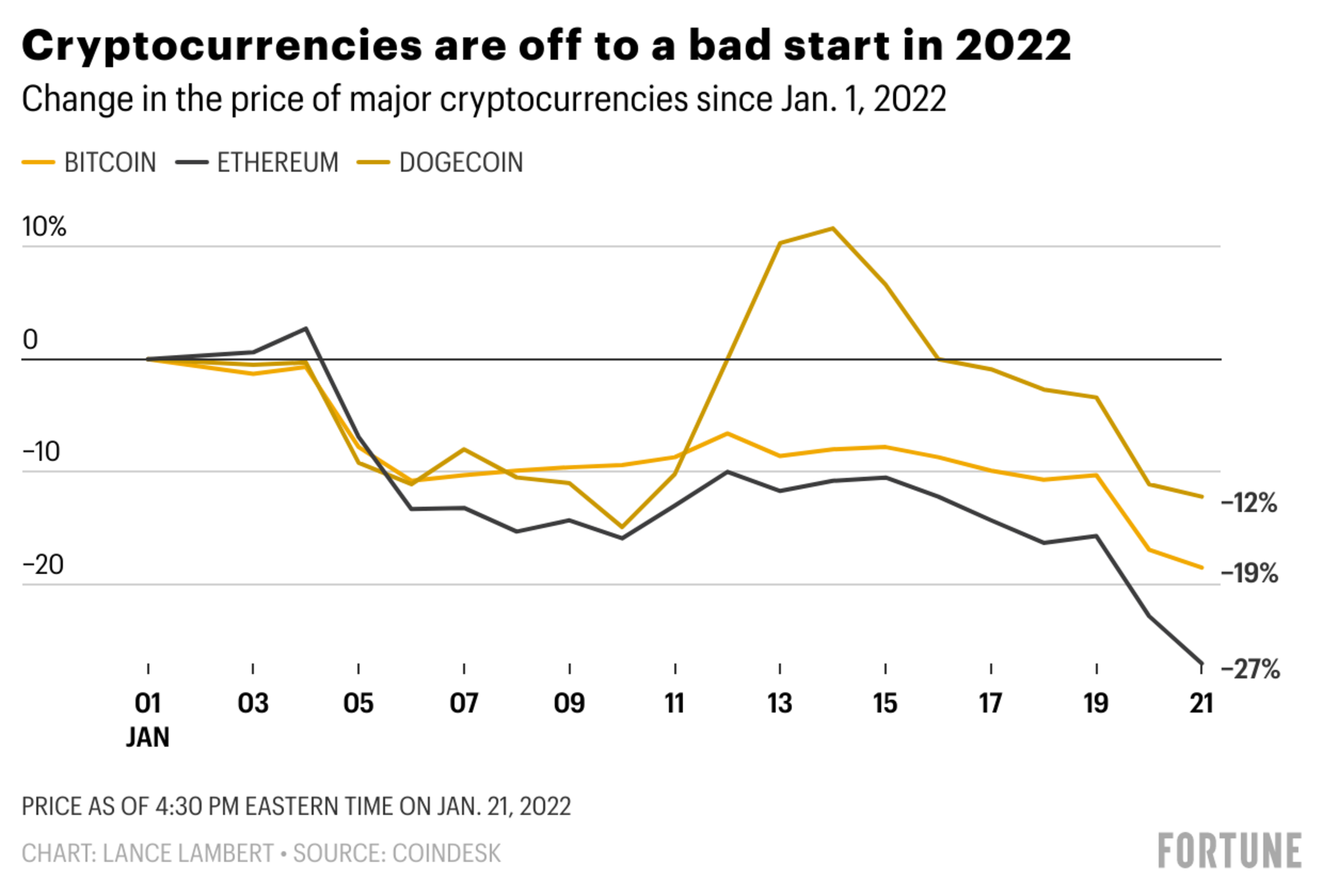
For historical context, the 2022 bear market drove Bitcoin from roughly $69,000 to around $16,000 – a drawdown of approximately 77%. Le’s threshold of $8,000–$10,000 would require something measurably worse than that cycle, making it a genuine tail risk rather than a plausible near-term scenario. Still, the 2022 cycle demonstrated that Bitcoin can absorb severe structural damage in a compressed timeframe, and corporate treasury firms carry balance sheet exposure that individual holders do not.
Le also framed the company’s structural mandate as building a capital structure that can withstand bear markets and benefit from bull cycles. That dual objective – survive the lows, capture the highs – is the core logic behind Strategy’s leveraged BTC accumulation, and it is also the exact logic that corporate Bitcoin treasury firms are being stress-tested against across the industry as the current cycle drags.
STRC Preferred Stock Is the Closer Pressure Point
While the $8,000 floor grabs the headline, the more immediate structural constraint sits in Strategy’s preferred stock, STRC. The instrument was designed to generate steady cash flow for Bitcoin purchases in exchange for a 13% annual dividend yield – but STRC lost its $100 par value in April and had dropped below $75 by late June. That matters operationally: when STRC trades below par, Strategy’s ability to issue new shares and convert that capital into Bitcoin is mechanically restricted.
The funding flywheel that powers the Bitcoin accumulation thesis gets pinched exactly when market conditions are already difficult – a structural vulnerability that operates independently of where Bitcoin itself trades. Le identified increasing U.S.-dollar reserves as the primary lever to push STRC back toward a recovery target of around $90. The broader context of that shift toward dollar liquidity reflects a deliberate repositioning away from pure BTC-issuance dependency.
mNAV at 1.02 – the Flywheel Barely Running
MSTR closed Tuesday at $97.58, nearly 6% higher on the session. But the more consequential metric is the multiple to net asset value (mNAV), which briefly fell below 1 at the end of June – meaning shares were trading at a discount to the raw Bitcoin they represent – before recovering to 1.02 as of Tuesday. That margin is nearly nonexistent.
The mNAV premium is not cosmetic – it is the mechanical engine of the entire business model. When MSTR trades above the value of its Bitcoin holdings, the company can issue shares, collect more cash than the BTC those shares represent, and deploy that gap into additional Bitcoin purchases. A premium signals that the market credits Strategy with creating value beyond passive BTC custody. At 1.02, that credit is the thinnest it has been in the cycle.
Whether the mNAV expands back toward historically elevated levels or compresses further will depend primarily on Bitcoin’s price trajectory over the next several months – not on Le’s reassurances. The $8,000 floor remains a remote scenario by any probabilistic measure, but the structural evolution in how Strategy manages its capital framework reflects a company navigating real constraints at current price levels, not just hypothetical ones. The market will be forced to price whether a mNAV of 1.02 represents a floor or a ceiling.
Follow CoinNews on X and Telegram for ongoing coverage of corporate Bitcoin treasury developments and market structure updates.
About Author

About Author