


Collateral Calls, 12-Hour Clocks: Inside BTC Treasury Loan Risk in 2026
Three Bitcoin treasury firms faced collateral breaches in early 2026, with some loan contracts allowing lenders to sell pledged BTC within just 12 hours.

Three public Bitcoin treasury companies – Fold, Empery Digital, and Nakamoto – have already disclosed collateral calls or threshold breaches in 2026, with loan agreements at some firms giving borrowers as little as 12 hours to post additional Bitcoin or repay debt before lender sale rights activate, according to a detailed review of company filings by CryptoSlate.
Three Firms, Three Collateral Events in February Alone
The February events establish that the risk embedded in Bitcoin-backed corporate credit is no longer theoretical. Fold received a formal collateral-maintenance notice on February 5 after Bitcoin fell below its loan’s trigger threshold, and posted an additional 50 BTC within the required notification window. At March 31, Fold reported $20 million outstanding and 430 BTC pledged; by June, it had sold approximately $45 million of Bitcoin at an average price near $71,000 and repaid the full balance – a borrower-directed decision, not a lender liquidation.
Empery Digital’s Two Prime facility crossed its collateral-call level on February 4, triggering a posting of 576 BTC to restore coverage. Six days later, Empery amended the loan: the initial collateral ratio dropped from 250% to 174%, the call level from 175% to 153%, and the liquidation level from 150% to 143%. As of July 10, Empery reported $45 million still outstanding – after a voluntary $10 million repayment – and disclosed it had sold 1,400 BTC since May 7 at an average price of roughly $62,200, leaving it with 1,514 BTC and $73.9 million in cash. The July filing did not update the pledged-Bitcoin figure from March 31.
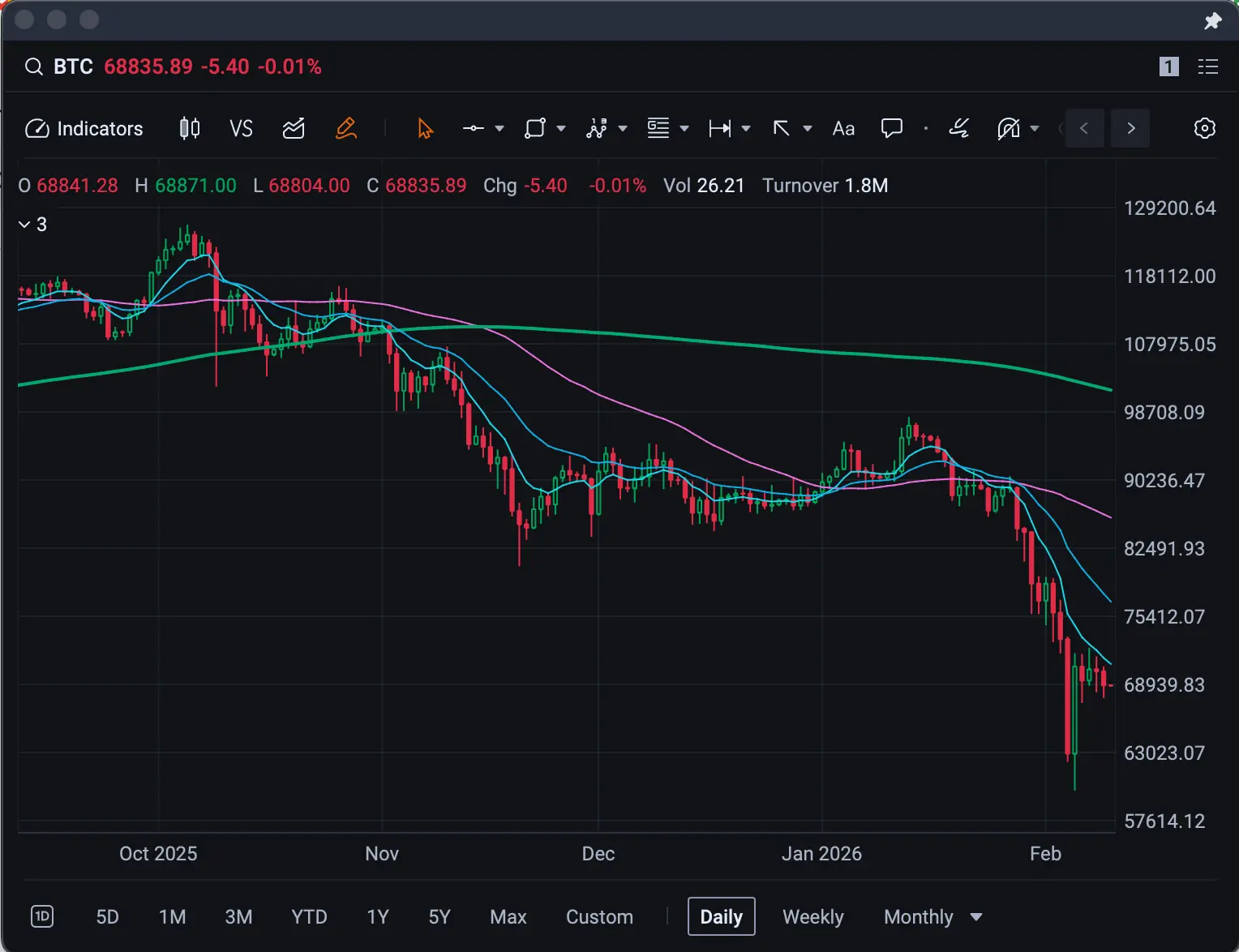
Nakamoto posted 688 BTC on February 5 to satisfy maintenance requirements on a 210 million USDT loan, bringing its total pledged balance to roughly 4,405 BTC. It subsequently refinanced: selling approximately 600 BTC and unwinding derivatives positions generated about $48 million in net proceeds, with $45 million applied to reduce the loan to 165 million USDT. The new facility was secured by 3,805 BTC. Critically, Nakamoto’s filing describes maintenance and liquidation thresholds without disclosing the numerical levels, making it impossible to calculate how far Bitcoin would need to fall before another action is required.
The Contractual Clock: 12 Hours at the Liquidation Line
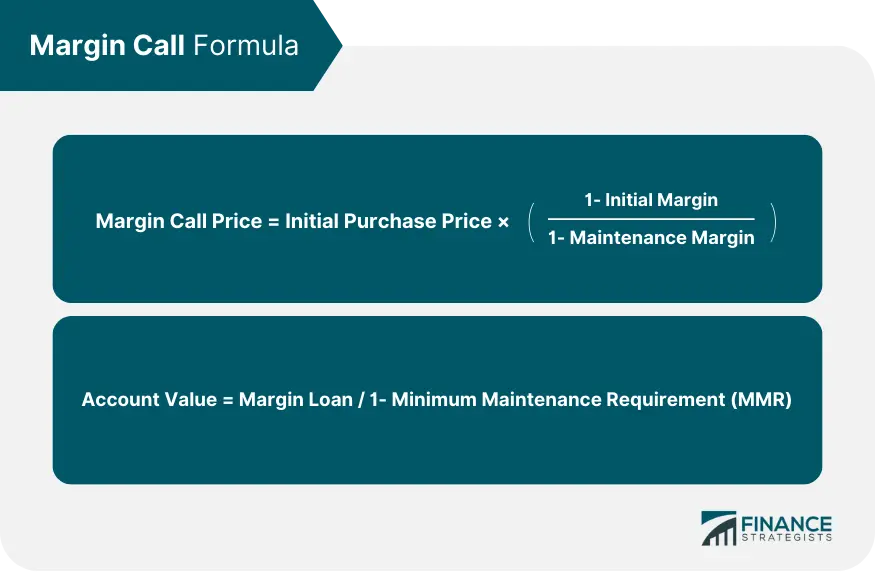
The speed embedded in these agreements is what separates pledged Bitcoin from a passive treasury holding. Empery’s 10-Q discloses that at the 143% liquidation level, the borrower has 12 hours to provide collateral – but the loan amendment simultaneously states that breaching that level creates an automatic event of default and permits the lender to sell collateral without notice. The CryptoSlate review notes the disclosure does not support treating 12 hours as an unconditional grace period; the lender’s sale rights and the response clock can operate in parallel.
Hut 8 entered a $200 million FalconX Charlie loan on May 1 at 7%, using proceeds to retire an earlier Coinbase facility that had encumbered roughly 3,300 BTC. Under the FalconX agreement, a drop below the 130% call level triggers a 24-hour notice window; at the 105% default level, a borrower that immediately provides a required officer certificate may receive a delay limited to the lesser of 12 hours or the time remaining in the original period. If those conditions are not met, the lender’s rights activate without that delay. Hut 8 did not disclose the exact Bitcoin quantity pledged under the new facility.

USBC, borrowing through Payward-Kraken on a $15 million facility, provides the clearest publicly stated buffer. The company calculated that its pledged Bitcoin could fall another 18.2% from its July 2 value before reaching the 130% call ratio, assuming no principal repayment or additional collateral. USBC confirmed no collateral call, mandatory repayment, or liquidation event had occurred as of July 2, and Bitcoin has since risen roughly 5%, widening that cushion modestly. The contractual structure gives borrowers 24 hours after a call to add BTC or repay debt, with lender remedies activating at 120% or lower if the deficiency is not cured.
Disclosure Gaps Make Stress-Testing Impossible
Bitcoin traded between $61,988 and $64,207 on July 14 – down 19–23% over the prior 60 days – but no active filing as of that date indicated a 12- or 24-hour response clock was running. That gap between current prices and the next threshold breach is unknowable with precision because the filings reviewed do not provide consistent disclosure. USBC does not state its pledged-Bitcoin quantity directly. Empery’s last confirmed pledged balance is dated March 31 despite a July debt update. Nakamoto omits the numerical maintenance and liquidation thresholds entirely. Hut 8 does not disclose the BTC amount securing its FalconX loan.
That asymmetry matters structurally. Prior stress episodes in June 2026 demonstrated how margin pressure can build faster than quarterly filings can capture it, with collateral movements and threshold amendments materialising between reporting dates. Repayments, collateral transfers, interest accrual, and contract-specific Bitcoin valuation rules can all shift a company’s coverage ratio without any corresponding move in spot price – a dynamic the CryptoSlate analysis flags as a reason that backward-looking trigger-price calculations produce false precision.
The distinction the filings draw – between a forced lender response and a borrower-initiated collateral or repayment action – is significant but fragile. Fold, Empery, and Nakamoto all acted before a reported lender sale occurred. But the mechanism that prompted those actions is the same one that, under different price or timing conditions, could hand control of the collateral to the lender. A loan does not need to reach the liquidation level to tighten a company’s position: a collateral call alone can lock up more of the reserve, force a cash scramble, and turn what appeared to be a passive BTC holding into an immediate liability.
What the Market Needs to Watch
The broader shift in how major treasury firms are managing BTC-backed debt – including the willingness to sell Bitcoin to service obligations rather than hold at all costs – is now a live variable across the sector, not a tail risk. For investors tracking institutional Bitcoin exposure, the next meaningful signals will be new collateral-maintenance disclosures, threshold amendments, or lender-action filings, not spot-price moves alone.
The current price environment – Bitcoin down roughly 18% from 60-day highs as of July 14 – has not yet triggered disclosed active response clocks at the firms reviewed. But the February precedent shows how quickly a threshold breach converts from a risk-factor disclosure into a filing event requiring immediate action. Once a lender issues a notice, the borrower is working in hours, not trading sessions.
Follow CoinNews on X and Telegram for real-time updates on Bitcoin treasury leverage, collateral disclosures, and institutional market structure.
About Author

About Author