

Binance’s BTC-Backed Lite Loan Offers 1,000 USDT With Fixed 30-Day Protection
Binance Lite Loan lets eligible users borrow up to 1,000 USDT against Bitcoin at 0.5% with no LTV-triggered liquidation during the fixed 30-day term.
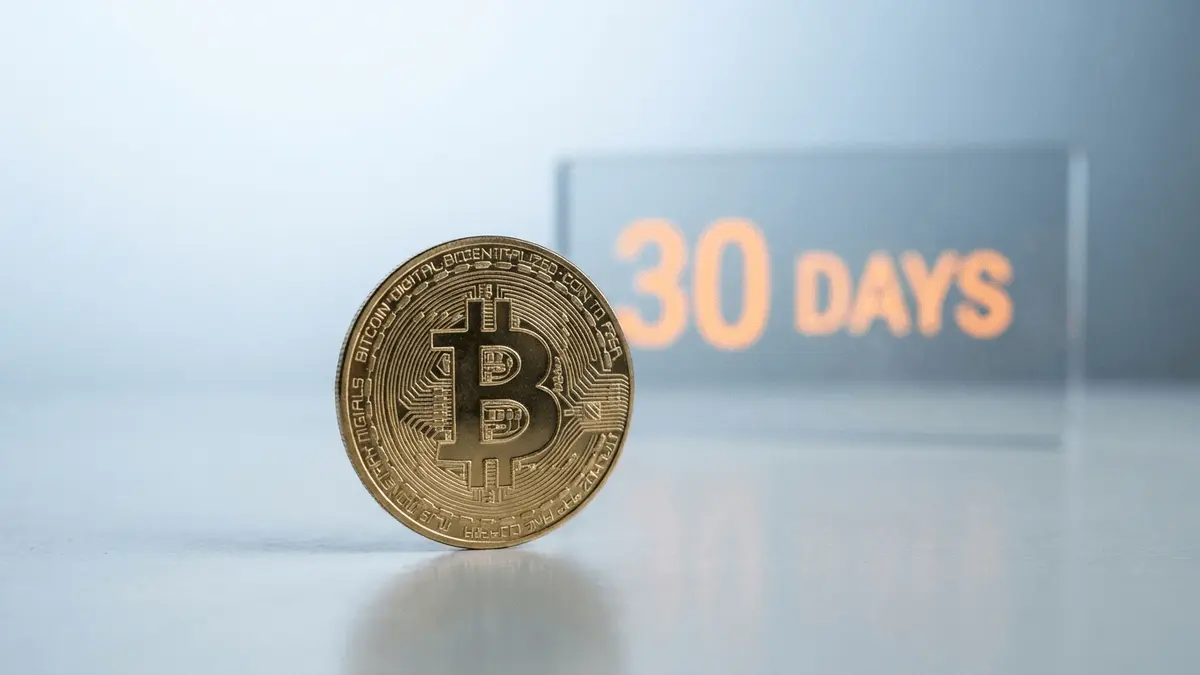
Binance launched Lite Loan on August 4, 2026 – a fixed-term, BTC-backed borrowing product that lets eligible users draw up to 1,000 USDT against their Bitcoin holdings with no price-triggered liquidation during the initial 30-day loan term, at a promotional one-time service fee of 0.5% (standard rate: 1%).
Product Terms and Mechanics
The product’s structure is deliberately narrow. Eligible borrow asset: USDT. Eligible collateral: BTC. Per-user cap: 1,000 USDT. Fixed term: 30 days. The one-time service fee of 0.5% – currently discounted from the standard 1% under a promotional window running from August 4 through September 3, 2026 (UTC) – is deducted from the loan proceeds at origination and is non-refundable, including on early repayment.
The defining mechanic is what Binance calls no LTV-triggered liquidation during the initial term. Collateral will not be sold due to BTC price movement for the full 30 days – a structural departure from Binance Flexible Loans, where a declining collateral value can push the loan-to-value ratio past a liquidation threshold at any point. For holders who want liquidity without the constant overhead of monitoring their LTV band, that distinction is material, particularly in volatile market conditions where collateral calls on crypto-backed positions have forced liquidations with little warning.
An additional mechanic preserves earning potential: collateral pledged via Lite Loan remains subscribed to Simple Earn Flexible products and continues to generate yield for the duration of the loan term. BTC already held in Simple Earn Flexible can be used directly as collateral without being unstaked first, which reduces the opportunity cost of pledging it.
Repayment can be made in the borrowed asset (USDT) or other supported crypto assets. Early and partial repayment is supported without additional fee. Borrowed funds are available immediately and can be used both on and off the Binance platform, including in supported markets via Binance Pay.
The Post-Term Liquidation Exposure Borrowers Need to Understand
The 30-day liquidation protection defers risk – it does not eliminate it. Once the initial term expires, Binance begins monitoring LTV and will issue a margin-call notification when the ratio reaches 85%. Liquidation is triggered at 91% LTV or if the loan remains overdue for 30 days past the original term, whichever comes first. The current liquidation fee is 0%, though Binance’s terms explicitly reserve the right to reinstate its standard 2% liquidation fee at any time without prior notice.
Overdue balances accrue penalty interest at a simple annual rate of 36% – approximately 2.96% per month on the outstanding balance – which functions as a steep behavioral nudge to repay on time rather than an attractively priced extension option. A borrower who misses the 30-day repayment window and carries the balance for a further month on a 1,000 USDT draw would owe roughly 30 USDT in penalty interest before any liquidation event, on top of the original service fee already deducted at origination.
Binance has not disclosed the loan-to-value ratio at which the 1,000 USDT loan is originated – meaning the amount of BTC required to secure the maximum draw is not published in the product announcement. Its legacy crypto loan products have historically used an initial LTV of approximately 65%, per supplementary research, but whether Lite Loan matches that figure remains unconfirmed by official documentation. The applicable Risk-Based Liquidation Ratio for the collateral asset will also be applied at liquidation, introducing an additional variable that borrowers should review in the full terms before originating.
Cost in Context: Annualised Fee and Competitive Positioning
A one-time 0.5% fee on a 30-day loan translates to roughly 6% annualised; the standard 1% rate works out to approximately 12% annualised. Both figures sit within the prevailing range for centralized Bitcoin-backed lending, where rates from specialist lenders such as Nexo and Ledn have historically ranged from roughly 7% to 16% APR depending on LTV and tenor, according to market data cited by industry analysis from FinanceFeeds. The promotional rate is competitive at the low end of that band; the standard rate lands in the middle.
The 1,000 USDT per-user ceiling positions Lite Loan firmly as a retail micro-liquidity product rather than a meaningful credit line. It is not designed to replace Binance’s existing Flexible Loan or VIP Loan products, which support larger borrow amounts, multiple collateral and borrow assets, and adjustable LTV bands suited to active traders managing more complex positions. Lite Loan’s explicit audience is holders who want a simple, low-overhead way to access short-term stablecoin liquidity without selling their BTC – the use case framed in the product announcement as cash-flow management and everyday spending rather than leveraged trading.
That distinction matters for how the product should be evaluated. Borrowing against a volatile asset to fund consumption or short-term expenses creates a leveraged position regardless of the liquidation grace period: the debt is fixed in dollar terms while the collateral is not. The 30-day protection removes the immediate risk of a forced sale into a sharp BTC drawdown, but it does not change the underlying structure of the trade. Borrowers who originate near the top of a local BTC rally and face a significant price decline before the term expires will arrive at day 31 with a much higher LTV than at origination – exactly when the margin-call and liquidation mechanics become active. How Binance’s lending products have handled that scenario across its broader loan book is examined in coverage of crypto collateral call dynamics in 2026.
Strategic Fit Within Binance’s Product Stack
Lite Loan arrives as Binance has been publicly expanding its financial services layer beyond trading – an ambition that encompasses payments, savings, and credit products integrated under a single platform, with Binance Pay and Simple Earn as the anchor products. The Simple Earn integration here is the most structurally interesting element: collateral that continues to earn yield while securing a loan reduces the direct cost of pledging it and makes the product mathematically cheaper than the headline fee implies, assuming yield on the pledged BTC partially offsets the 0.5% or 1% service charge.
For context, Coinbase’s Q2 2026 performance illustrated how major centralized exchanges are under pressure to expand product offerings and deepen user engagement beyond spot and derivatives trading – a dynamic that makes Binance’s move into simplified retail lending a direct response to the same structural incentive. A $1,000 cap limits immediate revenue impact, but it positions Lite Loan as a funnel into deeper platform engagement: a user who draws USDT, spends it via Binance Pay, and earns yield on their BTC simultaneously has three active touchpoints on the platform rather than one.
Only master accounts are eligible for Lite Loan origination. Product terms – including eligible assets, maximum loan amounts, and fees – are subject to change based on market conditions, and the promotional 0.5% fee applies only to loans successfully originated before September 3, 2026 at 09:59 UTC. Full terms are available at Binance’s Lite Loan FAQ and the accompanying risk disclosure.
Follow CoinNews on X and Telegram for ongoing coverage of crypto product launches and market structure developments.
About Author

About Author