SEC Seeks Comment on Blockchain-Era Transfer-Agent Rules
The SEC proposed updated transfer-agent rules covering blockchain records, cybersecurity, reporting and restrictive legends, with 60 days for comments.

The US Securities and Exchange Commission proposed an overhaul of decades-old rules governing transfer agents on September 1, 2026. The proposal would update requirements involving registration, reporting, recordkeeping, safeguarding and securities transfers as blockchain-based recordkeeping, tokenized securities and more automated market infrastructure become more prominent in US markets.
The measure is a proposal rather than a final rule. The SEC is seeking public comment, and the comment period will remain open for 60 days after publication of the proposal in the Federal Register. Any final requirements would depend on the agency’s subsequent rulemaking process.
SEC Proposal Would Modernize Transfer-Agent Rules
According to the SEC’s proposing release, the changes would revise the rules and forms that apply to registered transfer agents. These firms maintain issuers’ official records of securities ownership and process transfers within the national clearance and settlement system. Transfer agents also perform statutory functions that can include countersigning securities upon issuance, monitoring issuance to prevent unauthorized issuance, registering transfers, exchanging or converting securities, and transferring record ownership by bookkeeping entry.
The proposal would amend registration and annual reporting forms, modernize rules for processing, recordkeeping and safeguarding, rescind one existing rule, and introduce new rules on compliance programs and restrictive legends. The SEC said its transfer-agent rules have not been substantively updated since the late 1970s and early 1980s, when paper certificates and manual recordkeeping were more central to the industry’s operations.
Under the proposed changes, a transfer agent’s registration would become effective 45 days after filing Form TA-1, or an amendment to a pending application, instead of the 30 days specified under the existing rule. The SEC said the current period can be insufficient for determining whether to accelerate, deny or postpone an application. Proposed amendments would also require an agent that discovers materially inaccurate, misleading or incomplete information in a previously filed Form TA-2 to submit a correction within 60 days of discovery.
Form TA-1 would add questions on a registrant’s website address, other registrations and control affiliates, while requiring an organizational diagram showing the relationship between the transfer agent and its control affiliates. The proposed revisions would also update definitions to reflect contemporary electronic recordkeeping and communications technology.
Why the SEC Is Revisiting Transfer-Agent Infrastructure
The SEC’s proposal addresses an operating environment that has changed substantially since the existing framework was written. The agency said market participants are actively seeking to bring blockchain-native, or onchain, transfer agents into the US market. The proposing release identifies blockchain-based recordkeeping, tokenized fund administration and cross-chain interoperability among the models relevant to the update.
The release also states that transfer agents are increasingly operating with tokenized securities, artificial intelligence and other forms of digital infrastructure. In this context, the SEC said the current framework does not adequately address developments associated with these models, particularly risks involving cybersecurity, operational resilience and the safeguarding of securities and investor records.
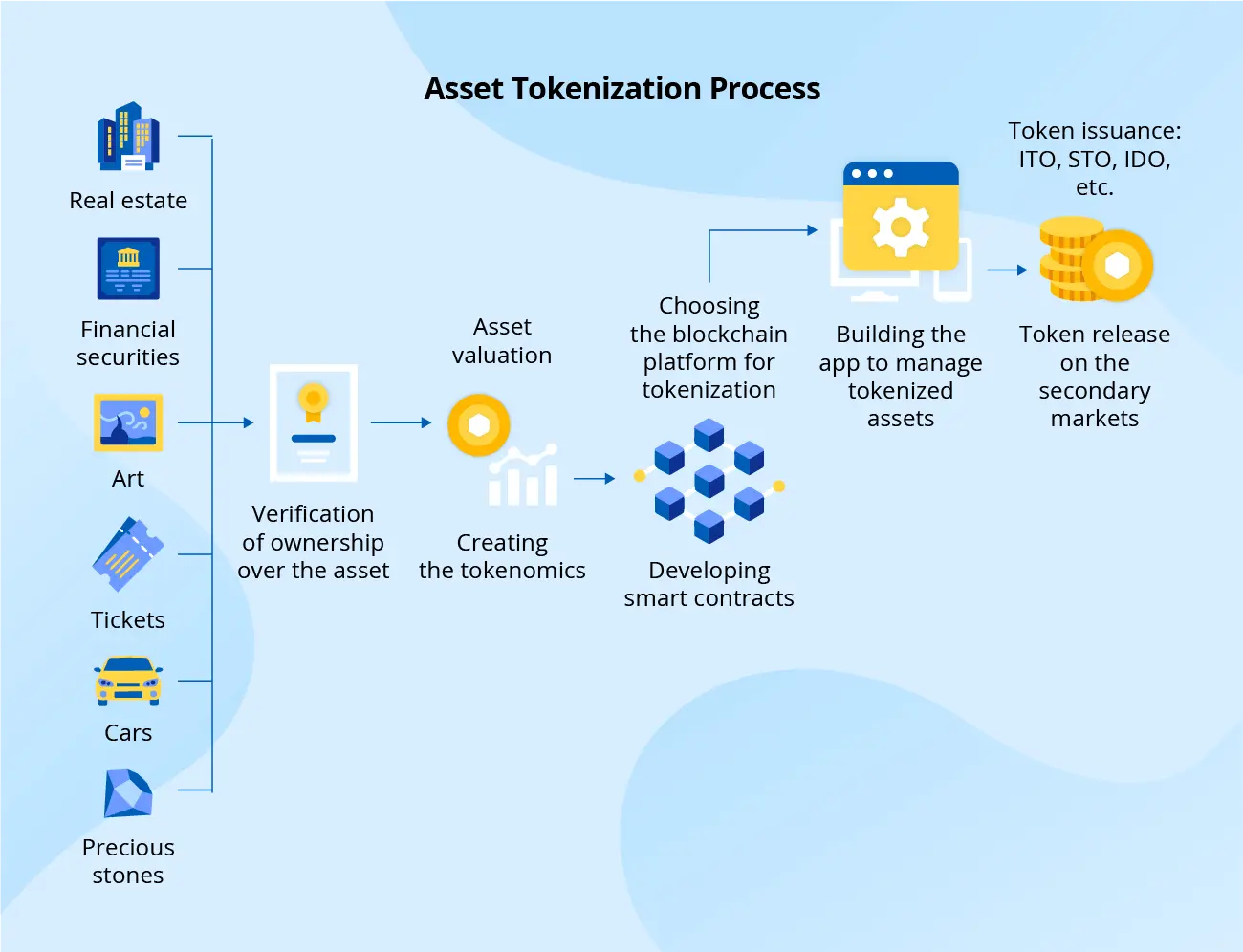
The proposal is therefore focused on the rules governing a regulated market function as its processes become more electronic and automated. Rather than treating blockchain recordkeeping as a standalone issue, the SEC has included it within a broader review of how transfer agents register, handle records, protect assets and carry out securities-transfer responsibilities.
The agency’s proposed amendments to processing rules would require written policies and procedures reasonably designed to ensure timely turnaround and processing. They would also align turnaround requirements with the current settlement cycle. Other proposed updates would modernize provisions for electronic systems and third-party recordkeeping and use technology-neutral terms for the timeframe associated with certain required postings.
Regulatory and Operational Implications
For registered transfer agents, the proposal would create expanded reporting requirements and new compliance standards. The SEC said the existing rules are silent on information security, cybersecurity, disaster recovery and operational risk. Proposed Rule 17ad-30 would require registered transfer agents to establish, maintain and enforce written policies and procedures reasonably designed to achieve compliance with applicable federal securities laws and transfer-agent rules.
The proposal would also revise Rule 17ad-12 as a comprehensive risk-management rule. Under the SEC’s fact sheet, that rule would require written policies and procedures to protect securities and funds, identify and mitigate material risks, maintain a separate bank account for issuer, securityholder and third-party funds, and establish a business continuity plan.
Restrictive legends are another specific focus. The SEC said that no existing Commission rule specifies transfer agents’ obligations in connection with removing restrictive legends from securities. Proposed Rule 17ad-31 would establish requirements for placing and removing those legends. It would also require registered transfer agents to refrain from facilitating unregistered securities transactions unless they have a reasonable basis to believe that a transaction does not violate, or is not part of a chain of transactions that would violate, Section 5(a) of the Securities Act of 1933.
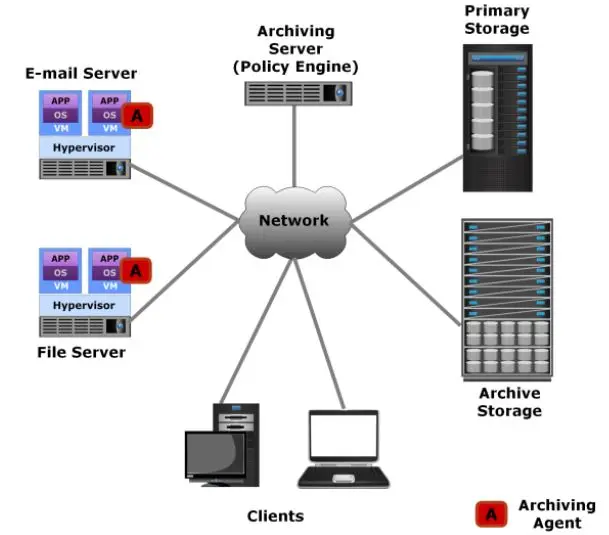
Third-party recordkeeping is addressed in the proposed modernization of Rules 17ad-6 and 17ad-7, which would establish a single retention period for most transfer-agent records and update provisions governing electronic systems and third-party recordkeeping. The proposal would additionally rescind Rule 17ad-4, which provides exemptions from certain turnaround, processing and recordkeeping requirements. According to the SEC fact sheet, technological advances have improved operational capacity across transfer agents of different types and sizes, leading the Commission to view those exemptions as no longer necessary.
Public Comment Will Determine the Next Step
The SEC is seeking public input before determining whether to adopt final changes. Comments are due 60 days after publication in the Federal Register and may address the proposal’s revisions to forms, processing standards, recordkeeping, safeguarding, compliance programs and restrictive-legend requirements.
After the comment period, the proposal remains subject to the SEC’s rulemaking process. The agency may review comments and revise the text before considering final adoption. The available materials do not establish a final implementation date or final form for the proposed changes.
For now, the proposal signals that the SEC is reviewing transfer-agent regulation in light of electronic communications, blockchain technology, tokenized securities and other digital infrastructure. The public comment process will provide the next formal opportunity for transfer agents and other interested parties to respond to the details of the proposed framework.
Follow CoinNews
Follow CoinNews for ongoing coverage of US securities regulation, transfer-agent rules and developments involving onchain market infrastructure.