

World Liberty Moves USD1 Reserves Under Proposed OCC Trust Bank
World Liberty’s conditional OCC trust charter could bring USD1 issuance and reserves in-house while raising fresh conflict-of-interest scrutiny.

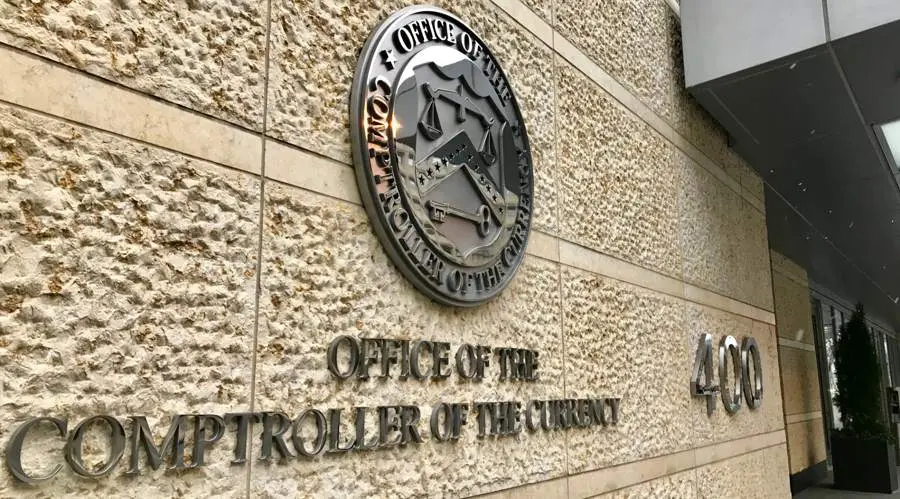
The Office of the Comptroller of the Currency conditionally approved a national trust charter for World Liberty Trust Company on Friday, clearing a path for the Trump family-linked crypto venture to issue its USD1 stablecoin directly and custody the dollar reserves that back it, according to a letter published on the regulator’s website.
What the Charter Actually Allows
The approval is preliminary, not final, but it’s the structural piece World Liberty has been chasing since filing in January. If it clears remaining conditions, the trust bank would let the firm manage and settle client assets under a single federal charter – critically, moving USD1 issuance and reserve custody in-house rather than through its current partner, BitGo.
That matters because a national trust charter is not a full banking license. It does not permit deposit-taking or lending in the traditional sense – this is a custody-and-settlement wrapper, not a route into consumer banking. For a stablecoin issuer, though, it’s the exact function that matters most: faster settlement, direct reserve control, and a federal supervisory stamp that institutional counterparties tend to want before committing real size.
Conditions attached to the approval include maintaining at least $20 million in capital, notifying the OCC of any major business plan changes, and hiring a qualified internal audit manager – standard boilerplate for this class of charter, per the regulator’s letter.
Witkoff’s Response
Zach Witkoff, World Liberty Trust’s president and chairman, called the conditional approval a milestone, saying a national trust bank brings USD1 issuance, custody, and reserve management together under OCC supervision, examined on the same standards that have governed banks for generations, and adding that the firm welcomes continuous scrutiny from federal regulators for years to come.
Where USD1 Sits in the Stablecoin Race
USD1 is currently the fourth-largest stablecoin by market capitalization at around $4 billion, according to Reuters. That’s a real number worth sitting with – it’s grown fast since its March 2025 launch, but it’s still a fraction of the market USDT and USDC control, and a bank charter alone doesn’t change that math overnight.
What it does change is the pitch to institutional counterparties. Exchanges, funds, and treasury desks that need a federally supervised issuer before allocating meaningfully now have one more option to weigh – a dynamic playing out elsewhere too, as seen with RLUSD’s push into South Korean exchange rails as competing dollar tokens chase the same institutional plumbing.
Other crypto firms, including Ripple and Circle, have already received preliminary approval for similar trust charters under Comptroller Jonathan Gould, whom Trump appointed to the role last year. World Liberty joining that cohort puts a politically charged issuer inside the same regulatory perimeter as its more established rivals – a fact that cuts both ways depending on how much weight investors put on the OCC’s own assurances of nonpartisan review.
The Conflict-of-Interest Question
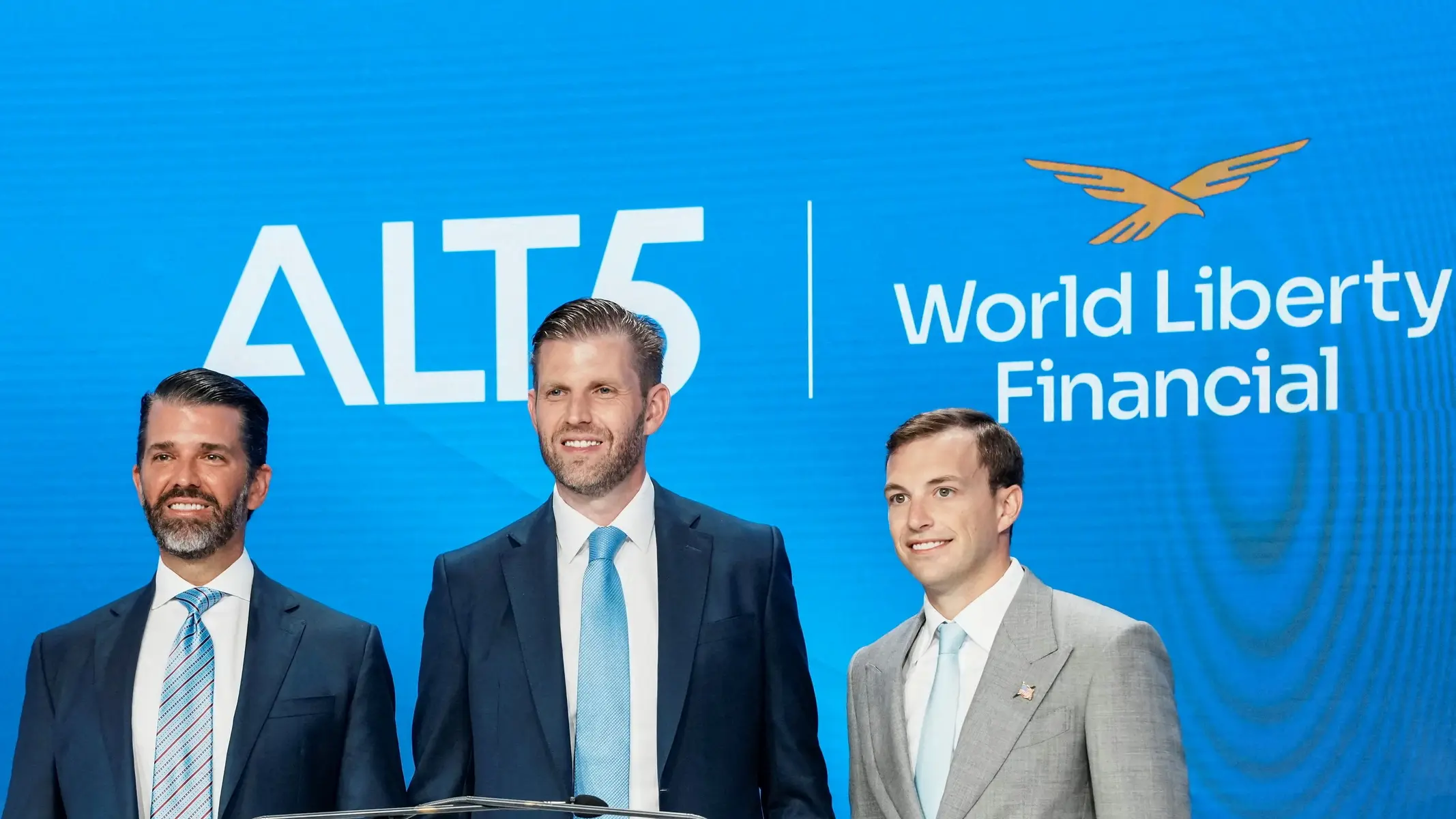
This is where the story gets less about stablecoin mechanics and more about who’s holding the pen. World Liberty Trust’s leadership runs straight through Trump’s inner circle: Zach Witkoff is the son of Trump’s special diplomatic envoy Steve Witkoff, and the Witkoff family co-founded World Liberty Financial with Trump and his three sons in late 2024. Steve Witkoff’s brother Robert Witkoff is slated to be a director of the trust, and Scott Alper – president of the Witkoff family’s real estate business – is a proposed director as well.
Democratic lawmakers have flagged the arrangement as a conflict of interest given that the OCC sits inside Treasury and, unlike many financial regulators, lacks a bipartisan board. In February, two Democratic senators on the Banking Committee asked Trump’s Treasury secretary to examine the national security implications of a reported $500 million stake in World Liberty Financial tied to the United Arab Emirates’ national security adviser, per Reuters. The OCC’s approval letter also disclosed that it had received passivity agreements from non-U.S. investors – including one signed by Eric Trump as president of a Trump-family affiliated investment vehicle – pledging not to seek control over the bank’s operations.
In its letter, the OCC stated that Gould and staff acted consistently with their statutory duties and ethical obligations with respect to the application, and noted the review was handled by career staff, with supervision going forward falling to nonpolitical examiners. Whether that satisfies critics is a separate question from whether it satisfies the letter of the law – and it’s the kind of regulatory backdrop worth tracking alongside broader debates over stablecoin reserves and deposit flows as issuers court federal oversight.
The Money Trail
The financial stakes for the Trump family specifically are not small. Reuters estimates the family earned about $50 million from USD1 through the end of June 2026, and that World Liberty Financial overall funneled more than $1.6 billion to the president and his family as of April, based on Reuters calculations. Those numbers sit alongside the ongoing congressional scrutiny and give the charter approval a dimension that goes beyond product mechanics – it’s also a revenue event for a sitting president’s family business.
What Comes Next
Conditional approval is not a green light to operate. World Liberty still has to satisfy the OCC’s capital and staffing conditions before the trust bank can go live, and the broader legislative environment around stablecoin oversight – including ongoing debate captured in Senate action on crypto market structure legislation – will shape how much latitude issuers like USD1 get long-term. Investors tracking WLFI and USD1 exposure should watch for the OCC’s next procedural steps and any further congressional response to the passivity agreements disclosed in Friday’s letter.
Follow CoinNews on X and Telegram for ongoing coverage of stablecoin regulation and market structure.