

Pakistan Sets Crypto Licensing Deadline as Korean Banks Add Ripple Rails
Pakistan’s crypto licensing portal sets a September 5, 2026 deadline as Ripple expands bank partnerships in South Korea with Jeonbuk Bank.
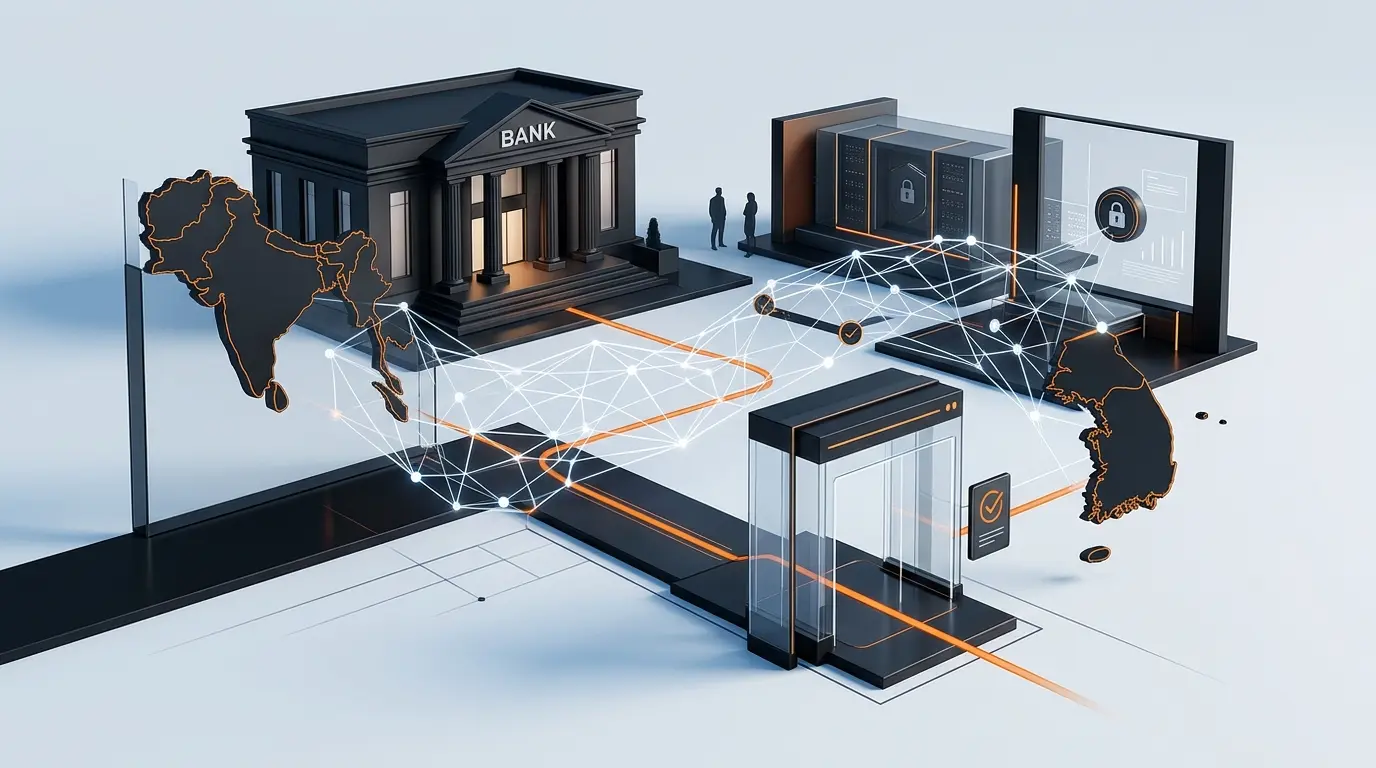
Pakistan’s Virtual Assets Regulatory Authority (PVARA) opened its licensing portal on Saturday, giving existing virtual asset operators until September 5, 2026 to file for a no-objection certificate or face criminal liability for continued operation, according to Pakistan Minister of State and PVARA Chairman Bilal bin Saqib. The announcement lands the same week Ripple deepened its institutional footprint in South Korea, with regional lender Jeonbuk Bank adopting Ripple Payments for cross-border business remittances, according to Cointelegraph’s Asia Express reporting.
Pakistan’s Licensing Architecture Goes Live
PVARA built its full regulatory framework in under six months. Parliament established the authority as a permanent statutory body through an Act in March 2026, and the licensing regulations issued under the Virtual Assets Act 2026 now create 10 distinct licence categories covering exchanges, custody, broker-dealers, advisory services, lending and borrowing, derivatives, asset management, transfer and settlement, asset issuance, and mining-related services. Each category carries its own conduct rules, financial prudential requirements, technology standards, and anti-money laundering obligations, Saqib said while briefing media on the Pakistan Virtual Asset Regulation Service 2026.
Existing operators face a hard cutoff. Under Section 70 of the Act, anyone who provided virtual asset services before the law took effect must submit an NOC application by September 5, 2026 – continuing operations past that date without filing constitutes a criminal offence requiring an immediate shutdown. New applicants have two paths into the market: enter a supervised regulatory sandbox to incorporate directly, or obtain a no-objection certificate under Section 19 first and then apply for a full licence once the company is formed. The regulations followed a public consultation period that ran from June 11 to July 2, 2026, including a stakeholder webinar, according to The Express Tribune.
Saqib framed the regulations as more than exchange oversight, positioning blockchain, stablecoins, and tokenisation as tools for exports, remittances, and SME financing, with tokenised trade receivables potentially linking exporters to global capital markets. He also pointed to Islamic finance as a growth avenue for tokenised products in Pakistan. Banking access is the other structural piece: under State Bank of Pakistan Circular No. 10, issued April 14, 2026, regulated banks can now open accounts – including segregated client-fund accounts – for licensed virtual asset service providers, reversing a prohibition that had been in place since 2018.
Ripple’s Korean Footprint Widens With Jeonbuk Bank
Separately, Ripple announced a partnership with Jeonbuk Bank to deploy Ripple Payments for cross-border business remittances, making Jeonbuk the first regional bank in South Korea to adopt the service, according to reporting from Cointelegraph and 99bitcoins. The deal targets import-export firms, technology startups, and online content creators who have historically relied on SWIFT-routed transfers that can take several days to settle. Ripple said its system is designed to complete settlement in seconds to minutes rather than days.
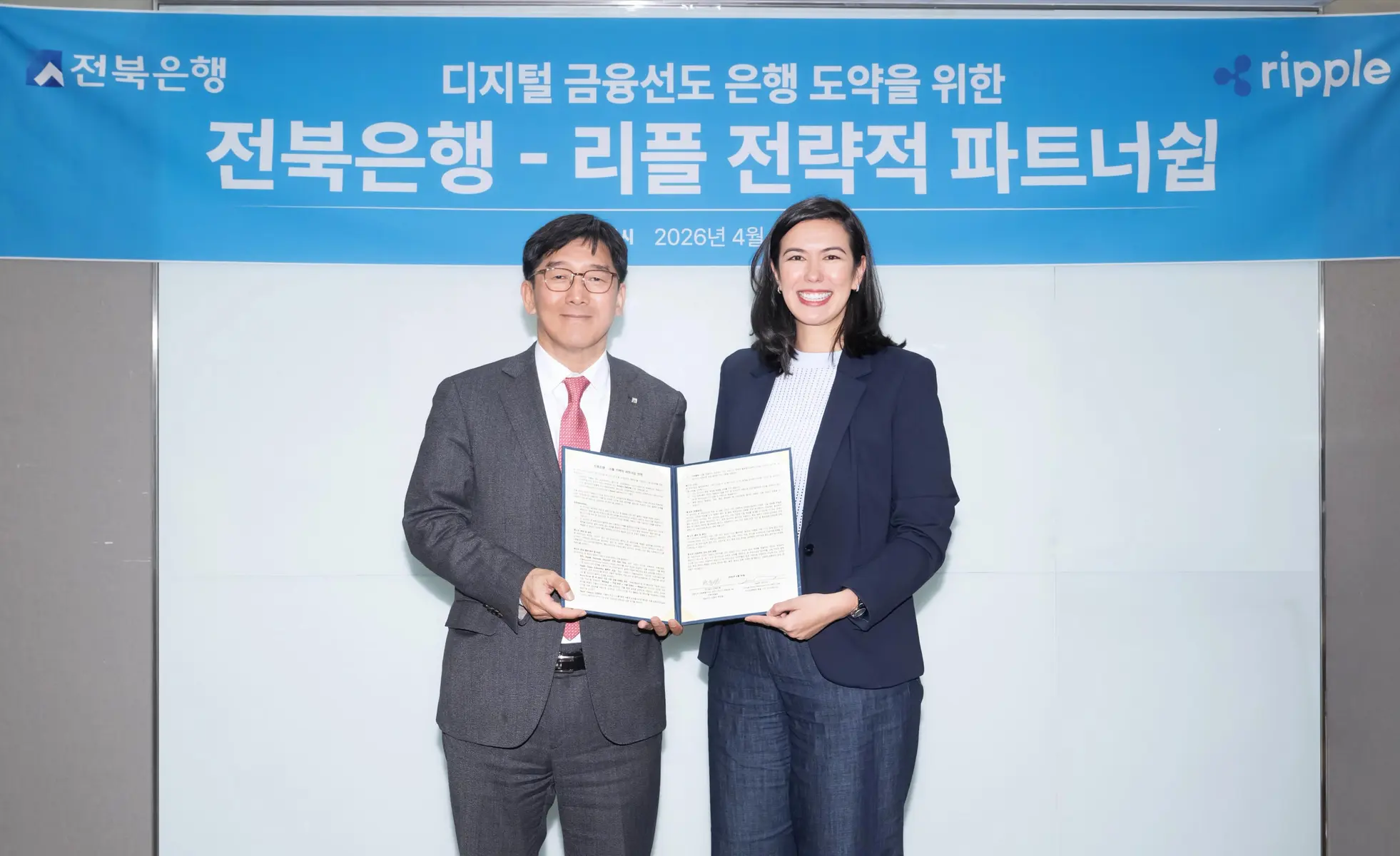
This marks Ripple’s third Korean institutional partnership disclosed this year, following an April agreement with KBank – South Korea’s first internet-only bank and the exclusive banking partner of Upbit – and a separate deal with Kyobo Life Insurance to explore tokenised government bond settlement through Ripple Custody. Ripple Asia-Pacific Managing Director Fiona Murray characterized the Jeonbuk deal as reflecting momentum among Korean financial institutions building digital-asset capabilities and seeking long-term infrastructure partners, per 99bitcoins’ account of the announcement. Notably, the Jeonbuk release does not specify whether XRP, RLUSD, or another asset will settle the remittances, and the ongoing KBank proof of concept currently uses stablecoin-based settlement rather than XRP as a bridge asset – a distinction that matters for anyone pricing in direct XRP demand from these deals.
The Korean expansion is arriving alongside legislative work on the country’s Digital Asset Basic Act, which is expected to classify stablecoins as payment instruments and impose new cross-border activity requirements. That parallels a broader pattern of traditional banks formalizing crypto rails rather than experimenting at the margins, a dynamic also visible in Bank Leumi’s move toward offering digital-asset trading to customers and in crypto firms expanding into banking, payments, and custody internationally.
What Licensing Actually Changes for Operators
For Pakistani market participants, the practical shift is that client-asset protections now carry legal force rather than sitting as informal promises. Saqib said licensed providers must keep client funds and assets segregated from firm assets, cannot lend or pledge those assets without written permission, and must leave client holdings untouched even if the firm fails. He also noted that a generation of Pakistanis built this market before the state had a framework in place, and the licensing regime is meant to give that existing user base and its operators a durable path forward rather than leaving them exposed.
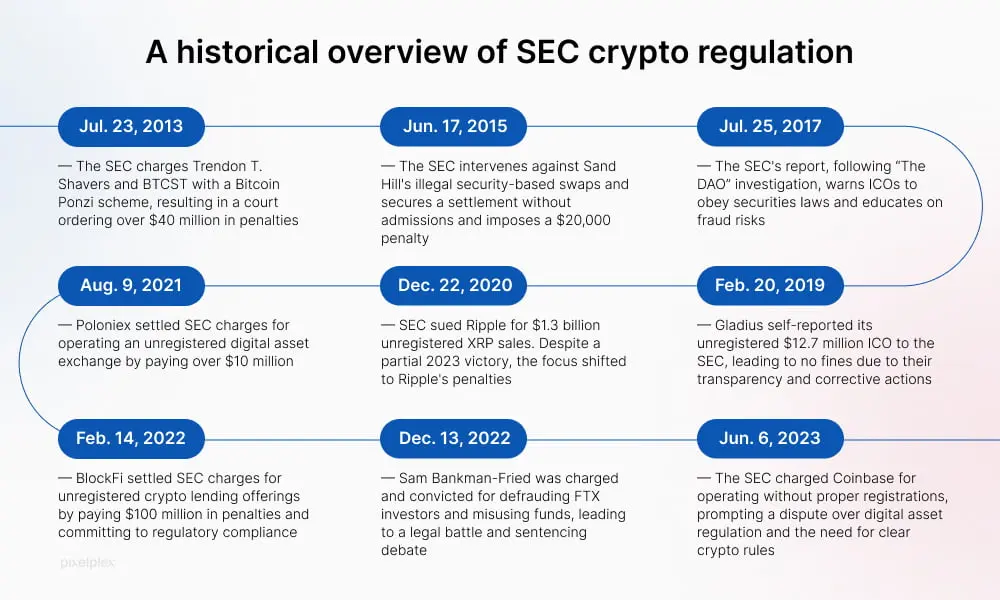
The comparison worth drawing is to jurisdictions that have already moved from informal crypto activity to enforcement-backed licensing regimes – a trajectory Hungary’s MiCA licensing rollout illustrates in the EU context, where formal authorization has reshaped which firms can legally serve retail customers. Pakistan’s framework follows a similar logic: licensing, consumer protection, and AML enforcement come first, with later stages focused on blockchain applications in cross-border payments, trade finance, and tokenised securities. The regulatory journey is explicitly staged, meaning the September 5 deadline is a gating event rather than the finish line.
What Comes Next
The immediate test in Pakistan is how many existing exchanges and service providers actually clear the September 5 deadline versus continuing to operate offshore or shutting down outright. In Korea, the open question is whether Jeonbuk’s deployment – and the KBank pilot testing on-chain remittances to the UAE and Thailand – eventually activates XRP as a settlement bridge asset, or whether stablecoin-based rails remain the default as Korea’s Digital Asset Basic Act takes shape. Neither development changes near-term price action on its own, but both add to the pile of bank-connected infrastructure that traders will eventually have to weigh against speculative flows.
Follow CoinNews on X and Telegram for ongoing coverage of regulatory developments and institutional crypto partnerships.