Fed Plan Gives Supervised Banks a Stablecoin Entry Route
Fed stablecoin rules would require full reserves and set a bank application path as two proposals enter a 60-day public comment period.

The Federal Reserve opened two rulemaking proposals for public comment on Thursday, moving to require Board-supervised payment stablecoin issuers to fully back their tokens with permissible assets such as short-term Treasury bills while creating a tailored application path for banks it supervises that want to issue stablecoins. The move gives the central bank’s piece of the GENIUS Act rollout concrete shape, with direct consequences for how issuers hold reserves and how banks enter the market.
Fed Stablecoin Reserve and Capital Proposals
The first proposal applies to Board-supervised payment stablecoin issuers and would require them to hold reserves entirely in permissible assets, including short-term Treasury bills and other high-quality, liquid holdings. It would also establish standardized capital requirements meant to address credit and operational risk, alongside risk-management standards that issuers would need to meet on an ongoing basis.

The same proposal lays out rules for firms that safekeep the assets backing the tokens, an area that mirrors the kind of reserve-verification mechanisms already emerging in the industry to confirm that issued supply matches confirmed backing. The second proposal is narrower in scope but arguably more consequential for market structure: it would create a tailored application process for Board-supervised banks seeking to issue payment stablecoins.
Under that process, applicant banks would need to submit a business plan and financial information, and the proposal establishes procedures for appeals, hearings and final decisions. That structure echoes how reserves have been handled in other federally supervised trust-bank arrangements, where custody and issuance sit inside a regulated wrapper rather than an unregulated corporate structure.
Market and Multi-Agency Stablecoin Context
Stablecoins are blockchain-based tokens designed to hold a steady value by pegging to a reference asset, most commonly the U.S. dollar, with issuers backing them with reserves so each token can be redeemed at face value. They’ve become core plumbing for crypto markets: moving money between exchanges, settling trades, sending cross-border payments, and letting traders park funds without converting back to traditional currency.
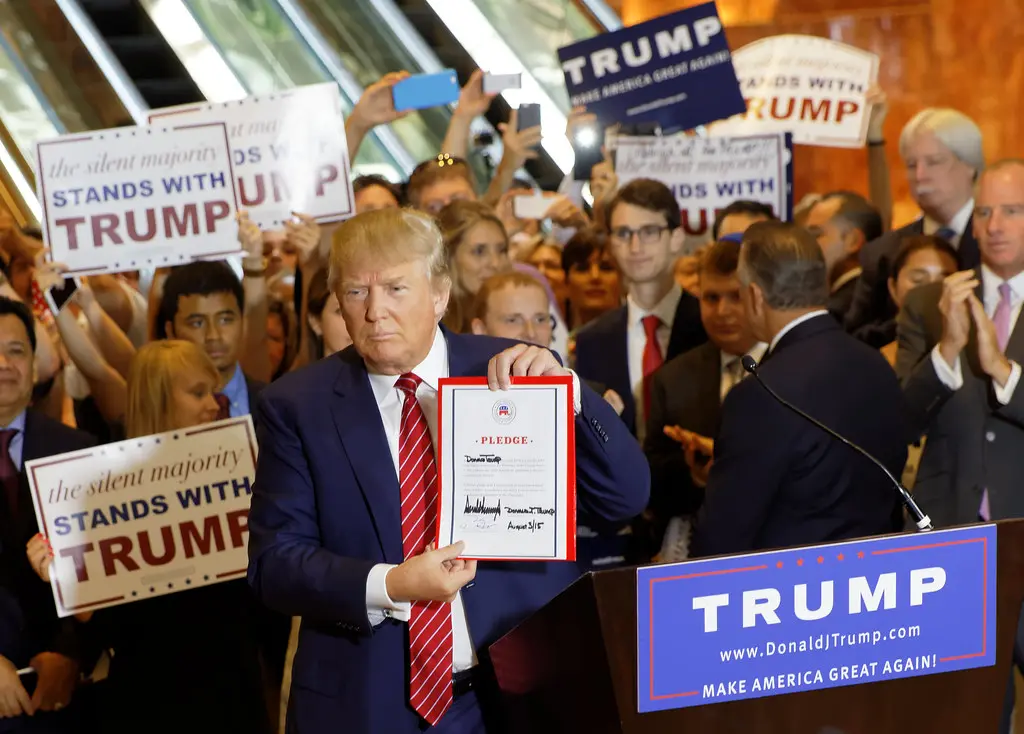
The Fed’s proposals build on the GENIUS Act, the stablecoin law President Donald Trump signed in July 2025, which set the first federal framework specifically for dollar-pegged tokens. Thursday’s action adds the Fed’s piece to a multi-agency rollout that has been moving on separate but parallel tracks: the Office of the Comptroller of the Currency has been working toward finalizing its own stablecoin rules by November ahead of a January statutory deadline, while the Treasury Department has separately proposed rules that would bar platforms from selling noncompliant stablecoins to U.S. customers.
Those parallel efforts matter because oversight of issuers and the entities holding their reserves has increasingly shifted toward federally supervised custody and payment structures rather than looser arrangements. The Trump administration has increasingly framed dollar-pegged tokens as a tool to extend the dollar’s global reach, and full-reserve backing paired with bank-grade oversight is central to that pitch – the idea being that tighter rules make the peg, and redemption at face value, more credible to holders both inside and outside the U.S.
Regulatory and Structural Implications
Taken together, the two proposals combine full-reserve backing with capital requirements, risk-management standards and oversight of how reserve assets are safekept. The stated objective behind that combination is straightforward: ensure stablecoins hold their peg and can be redeemed at face value even under stress, rather than relying on issuer discretion or opaque reserve composition.
For issuers already under Fed supervision, that means reserve quality and capital adequacy become subject to standardized, examinable rules rather than case-by-case judgment – a shift that parallels how on-chain reserve attestations have tried to solve the same trust problem from the technology side. For banks that don’t yet issue stablecoins, the application proposal creates a formal, defined route into the market for the first time, complete with appeal and hearing procedures.
That formalization is likely to matter most for banks weighing whether stablecoin issuance is worth the compliance build-out, since a defined process with clear appeal rights lowers the regulatory uncertainty that has kept many traditional institutions on the sidelines. It doesn’t, on its own, tell the market which banks will actually apply or how large their issuance will be – that remains to be seen once the comment period closes and the rules take final shape.
What Comes Next
Both proposals are open for public comment for 60 days after they’re published in the Federal Register, and neither is final – the Fed can still revise either framework before adoption. That timeline puts the Fed’s rulemaking on a track roughly parallel to the OCC, which has been working to finalize its own stablecoin rules by November ahead of a January statutory deadline, and to the Treasury Department, which has separately proposed restrictions on platforms selling noncompliant stablecoins to U.S. customers.
How those pieces line up – the Fed’s reserve and capital standards, the OCC’s bank-activity rules, and Treasury’s platform restrictions – will determine how much of the existing stablecoin market ends up operating inside the new federal perimeter versus outside it. Traders watching stablecoin liquidity for signs of tightening or fragmentation should treat the comment period, not Thursday’s announcement, as the next real checkpoint.
Follow CoinNews on X and Telegram for ongoing coverage of stablecoin regulation and market-moving policy developments.
About Author

About Author