


Hut 8’s $140M Bid Puts Poolin’s Power Sites in Play
Hut 8 won Poolin assets for $140 million, but the West Texas deal still needs court approval, signed agreements and closing conditions.
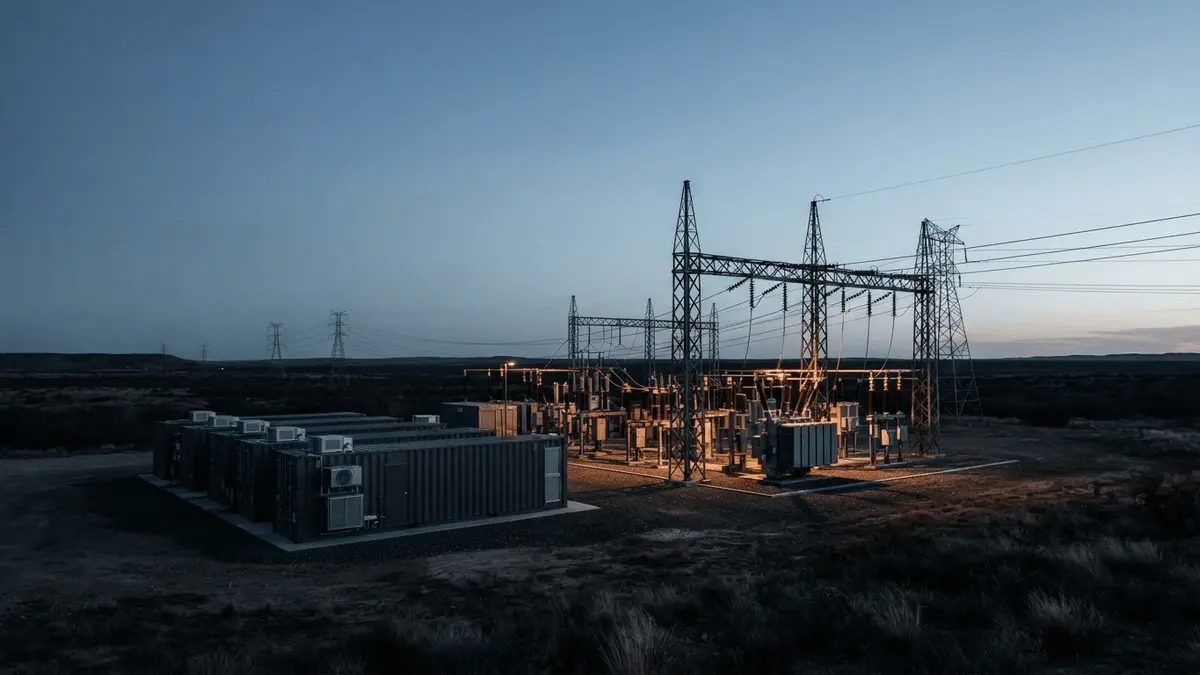
Hut 8 (NASDAQ: HUT) has emerged as the winning bidder for bankrupt Poolin‘s West Texas mining assets with a $140 million offer of cash and other consideration, according to an amended auction results notice filed Wednesday in the U.S. Bankruptcy Court for the District of New Jersey. The transaction still requires signed asset purchase agreements, satisfaction of closing conditions, and court approval before it closes.
Hut 8’s $140 Million Poolin Asset Bid
The assets at stake are Poolin’s Pyote and Tarbush properties in West Texas, along with their associated power infrastructure and equipment. The September 10 auction drew interest well beyond crypto miners, including a bid tied to AI infrastructure firm Fluidstack.
Pecos Industrial Development LLC, bidding on Fluidstack’s behalf, was named backup bidder for Tarbush at $100.5 million. DigiPower X was selected as backup bidder for Pyote at $36.5 million. Combined, those two backup offers total $137 million – just $3 million below what Hut 8 ultimately bid.
The starting point looked nothing like that. Thor CALAP LLC set the opening bids at $52 million total: $15 million for Pyote and $37 million for Tarbush’s power rights and equipment. Hut 8’s winning offer landed $88 million above that combined stalking-horse number, though the filing does not break out how much of the $140 million is cash versus other consideration – a distinction that will matter once creditors start asking what they can actually collect. That kind of gap between opening and winning bids is the same dynamic playing out at other distressed miners, as covered in a comparable case where a company balanced Bitcoin mining assets against data-center expansion.
Power Infrastructure Becomes the Competitive Prize
Poolin’s own management pointed to this outcome months ago. In a July court declaration, the company said marketing its energy capabilities to AI and high-performance-computing users would maximize the value of the estate’s assets. Advisers reportedly contacted more than 335 potential buyers and investors – a list spanning data-center operators, hyperscalers, and cryptocurrency miners.
The reason that list got so long comes down to grid math. Texas grid operator ERCOT said in June it was tracking more than 438 gigawatts of large-load connection requests, with nearly 89% of that demand coming from data centers. Those figures represent requested connections rather than operating demand, and they are not a forecast that every project gets built – but the scale is enough to explain why sites with existing interconnections, substations, and switchyards suddenly look like scarce inventory rather than mining leftovers. Regulators have since approved a grouped study process to evaluate projects together and allocate available capacity, an attempt to fix a review pipeline that had become slow and repetitive under one-by-one assessments.
Hut 8 has been positioning itself for exactly this shift, reporting 949 megawatts of contracted AI data-center IT capacity and roughly $26.6 billion in expected base-term contract value in its August 4 earnings release – figures tied to its broader business, not this transaction specifically. The company’s separate push into leased AI capacity includes a 352 MW lease at its Beacon Point campus with an investment-grade tenant, according to a Hut 8 press release. None of that changes what’s actually on the table with Poolin, though. Winning the auction does not establish that the Pyote and Tarbush sites are ready to host AI workloads, nor that their historical power allocations can transfer unchanged – a caveat directly relevant to how infrastructure allocation shifts affect Bitcoin mining hashrate and production capacity across the sector. Poolin’s own experience is a warning here: early discussions reportedly envisioned allocations up to 600 megawatts, but the sites initially received only 100, forcing the company to sell excess mining equipment at a loss after over-ordering machines it couldn’t power.
Bankruptcy Sale and Creditor Implications
Singapore-based Poolin Technology and its U.S. affiliates, Lonestar Dream and Lonestar Taproot, filed for Chapter 11 on July 22 after Lonestar Dream stopped mining and hosting operations on July 10. The group entered bankruptcy carrying about $173.1 million in obligations, including roughly $163.7 million in unsecured IOUs issued after Poolin Wallet froze withdrawals back in 2022.
A higher winning bid generally means more proceeds available to the estate, and by extension, potentially more available to creditors. But the notice doesn’t estimate what wallet customers might actually recover, and it doesn’t disclose the cash-versus-consideration split of Hut 8’s $140 million offer – so anyone trying to model recovery rates off this filing alone is working with incomplete numbers.
What Comes Next in the Poolin Sale
A sale hearing before Judge Eamonn J. O’Hagan is scheduled for September 29 at 11 a.m. Eastern time, with objections due September 25. Until that hearing produces a court order, the $140 million figure is a winning auction bid, not a closed deal.
Signed asset purchase agreements and closing conditions still need to fall into place, and the actual transferability of Pyote and Tarbush’s power infrastructure remains an open question the auction result alone doesn’t resolve. Whether this acquisition ends up boosting Hut 8’s Bitcoin production, feeding its AI leasing pipeline, or some mix of both will depend on details that haven’t surfaced yet – not on the size of the winning bid.
Follow CoinNews on X and Telegram for ongoing coverage of mining-asset sales and the AI infrastructure land grab.