

Tokenized Stocks Enter Aave’s Isolated Base Lending Market
Seven Coinbase-issued tokenized stocks can now back USDC loans on Aave V4’s Base Equities Hub, with access limited to eligible non-U.S. users at launch.

Aave V4 on Base now accepts seven Coinbase tokenized stocks as collateral for USDC loans, according to an announcement published September 25. The market is restricted to eligible non-U.S. users and runs through a dedicated Equities Hub separate from Aave’s other lending pools on Base.
Aave V4 on Base Opens USDC Borrowing Against Seven Tokenized Stocks
The initial market covers seven Coinbase-issued equity tokens: AAPLc, AMZNc, GOOGLc, METAc, MSFTc, NVDAc and TSLAc. Eligible users outside the U.S. can supply these tokens as collateral and draw USDC loans against them, with USDC standing as the only asset that can actually be borrowed at launch.
The design is deliberately narrow. Users cannot borrow the tokenized stocks themselves, and one tokenized equity cannot be used as collateral for another – every position routes through the shared USDC reserve instead. Each of the seven assets carries its own collateral parameters, supply caps and borrowing limits, isolating risk on an asset-by-asset basis rather than pooling it across the group.
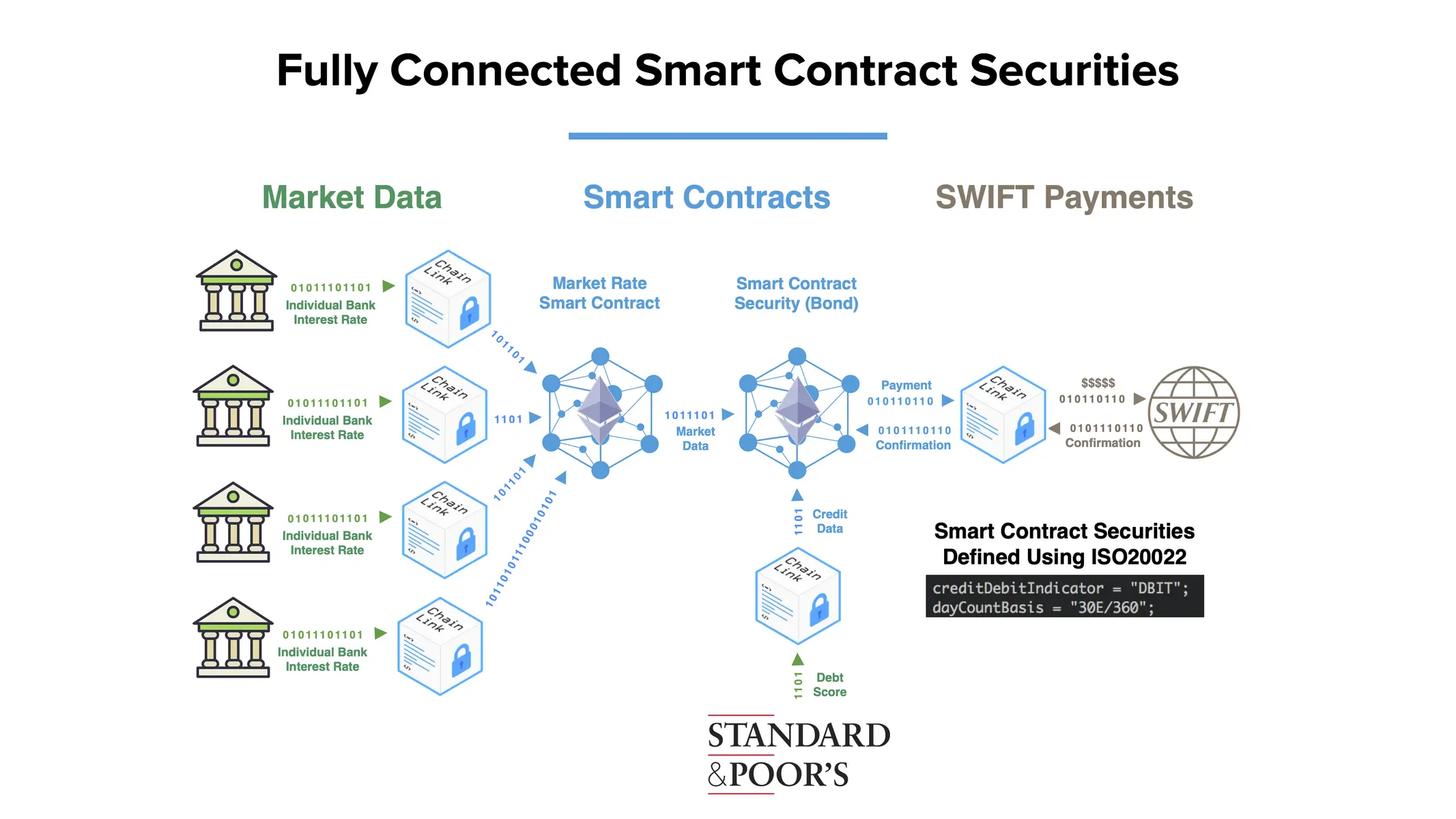
That isolation extends to the market’s place inside Aave’s broader Base footprint. The Equities Hub sits apart from Aave’s other lending markets, limiting direct exposure between stock-backed borrowing and the protocol’s existing pools – a distinction that matters given the ongoing reshuffling of Aave’s supported chains and reserves under its V4 rollout. Coinbase is not the lender here; Coinbase issues the underlying tokenized equities, while users interact directly with Aave’s smart contracts to supply collateral and draw USDC. Pricing for the collateral comes from Chainlink’s total-return feeds, which value the tokenized shares for the purposes of the protocol’s loan-to-value calculations.
Tokenized Equities Move Beyond Spot Trading
Until now, Coinbase’s tokenized U.S. stocks functioned primarily as tradable onchain wrappers – assets investors could hold or swap but not put to work. This launch adds a lending use case on top of that base functionality, letting holders retain exposure to a stock like Nvidia or Apple while unlocking stablecoin liquidity against it rather than selling the position outright.
The scope at launch stays deliberately contained. Seven equities, one borrowable asset, and access gated by jurisdiction is a conservative starting footprint for a product category that touches securities law, oracle infrastructure and DeFi liquidation mechanics simultaneously. It mirrors a broader pattern already visible in other tokenized-equity vault products entering DeFi, and it echoes the logic behind Bitcoin-backed USDC borrowing arrangements, where a non-native collateral asset is wrapped with strict parameters before a lending protocol will accept it at scale.
Some reporting elsewhere has pointed to a larger Coinbase tokenized-equity lineup and broader DeFi integration beyond this specific Aave market. Those figures describe Coinbase’s wider tokenized-stock program rather than the scope of this particular launch, which is limited to the seven assets named in Aave’s announcement – a distinction worth keeping straight given how quickly tokenized-equity headlines can blur program-wide numbers with a single protocol’s initial deployment.
Custody, Corporate Actions and Pricing Risk
Access to the market follows the same restrictions attached to Coinbase’s tokenized equities generally: the tokens are offered under Regulation S to eligible non-U.S. persons in permitted jurisdictions and are not available to U.S. persons, and that restriction carries over to their use as Aave collateral. Structurally, the tokens are not simple price trackers. Aave’s technical assessment describes the seven equities as certificates representing shares held in segregated custody under a trust structure, with the underlying shares held by Alpaca Securities LLC.
That structure shapes how corporate actions show up for holders. Dividends are reinvested into additional shares rather than paid out as cash, with fees and applicable withholding taxes deducted before the adjustment lands in a holder’s position. Stock splits are handled through changes to a multiplier tied to the token rather than a change in share count, and the underlying token contracts include controls governing minting and redemption.
Pricing carries its own quirk. Chainlink’s feeds follow U.S. equity-market hours on a 24/5 schedule, and during weekends or market holidays the last available price simply holds in place until trading resumes. The lending market itself stays accessible around the clock, but collateral valuations may not update while the underlying equity feed is inactive – meaning a borrower’s position can sit priced against a stale reference for stretches of time even as the market technically remains open for transactions.
What Comes Next
Aave’s announcement leaves room for the Equities Hub to grow, but any expansion – additional tokenized stocks, new borrowable assets beyond USDC, adjusted access requirements – would need to clear the protocol’s governance process along with fresh risk assessments and liquidity checks. None of that is confirmed as scheduled; it is simply the mechanism through which changes would have to happen.
For now, the real test sits with usage rather than announcement. Seven equities, one borrowable asset and isolated collateral parameters is a small, controlled surface area, and whether eligible users actually route borrowing demand through it will determine if tokenized stocks become a meaningful collateral category on Aave or stay a niche corner of the protocol’s Base deployment. The oracle behavior around market closures and the separate risk settings per asset will be the first things to watch once real capital starts flowing through the hub – a dynamic worth tracking alongside Aave’s broader consolidation of reserves and supported chains under V4.
Follow CoinNews on X and Telegram for ongoing coverage of tokenized-asset lending markets and DeFi collateral expansion.