


Binance Review 2026: Binance Exchange Tested
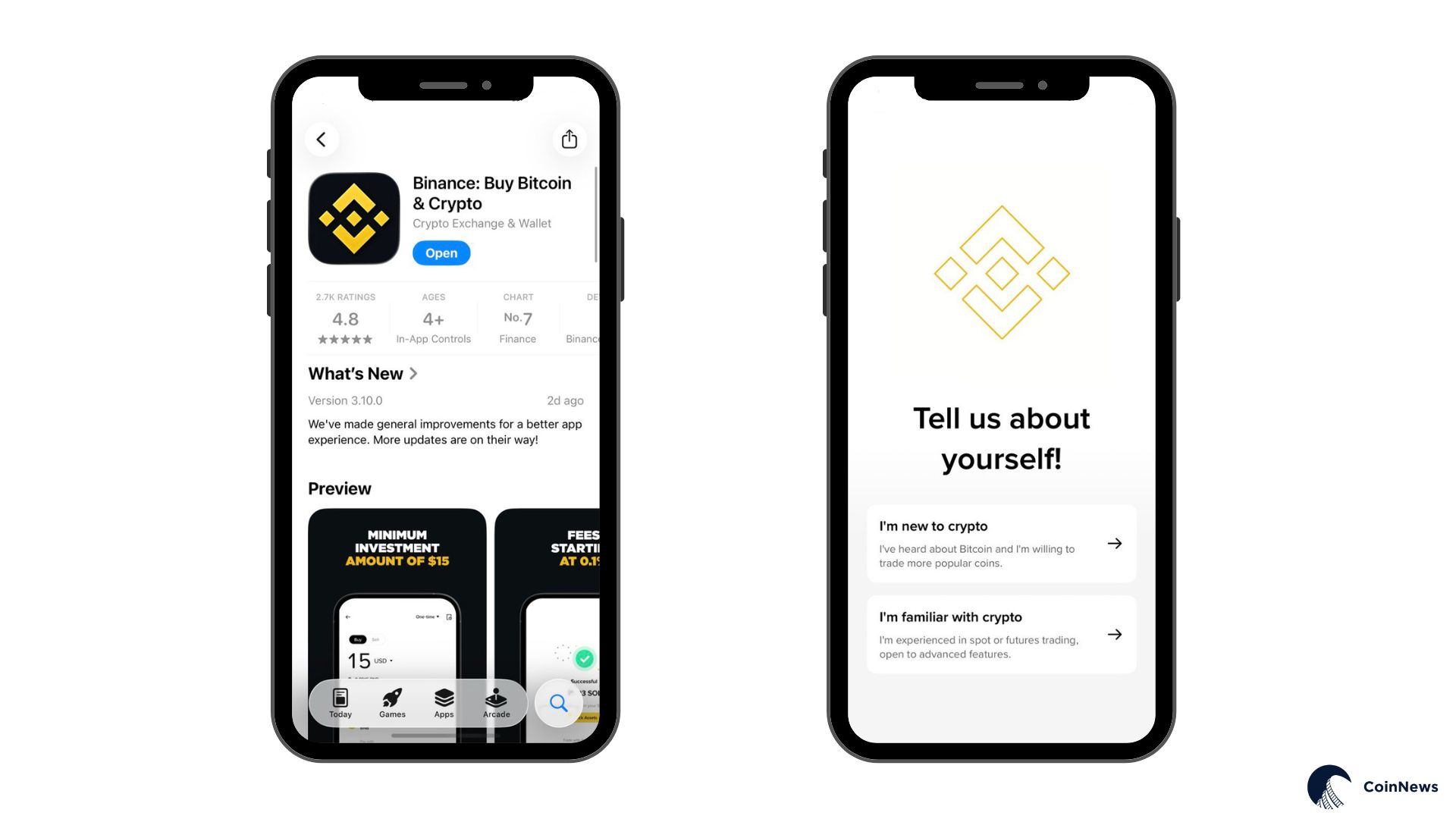
Binance holds its position as the largest cryptocurrency exchange by trading volume across global markets. This Binance review examines how millions of traders execute transactions through the platform daily, while concerns about regulatory compliance, security protocols, and regional product access continue to surface.
After comprehensive hands-on testing, this 2026 analysis dissects the exchange across multiple dimensions. Fee models, security infrastructure, geographic availability, trading instruments, and interface design all receive detailed examination. Key distinctions exist between Binance.com (the global platform) and Binance.US (the separate American entity), as substantial operational differences separate these two versions.
Both novice and seasoned traders gain practical insights from this assessment. First-time users can determine whether Binance fits their initial exchange needs, while active traders assess advanced features alongside cost optimization opportunities.
⭐ Overall Rating: 4.5/5
- Largest exchange with 600+ assets, deep liquidity, and lowest fees
- Full product ecosystem covers trading, staking, and exclusive token launches
- Past compliance issues and regulatory complexity prevent a perfect score
Binance Overview: Quick Facts & Summary
Since its 2017 launch, Binance has expanded at remarkable speed to claim dominance as the world’s leading cryptocurrency exchange. Daily trading volume on the platform exceeds that of any competitor, and traders benefit from deep liquidity that enables large order execution with minimal price slippage.
| 🗓️ Year Founded | 2017 |
| 🔄 Exchange Type | Centralized (custodial) |
| 🌟 Key Features | High liquidity, large altcoin range, futures & options, Launchpad, staking, P2P |
| 🪙 Supported Assets | 600–700+ coins on Binance.com; more via Convert & Web3 Wallet |
| 📊 Trading Products | Spot, margin (up to 10×), futures (up to 125×), options (region-restricted) |
| 🛠️ Investment Tools | Earn, Launchpool, Auto-Invest, Dual Investment |
| 📱 Platforms | Web, iOS, Android, Windows, macOS |
| 🔧 Device Compatibility | All major browsers, desktop, and mobile devices |
| 💳 Payment Methods | Bank transfer, cards, P2P, Apple Pay, Google Pay |
| 💼 Wallet Type | Custodial exchange wallet + optional Web3 wallet |
| 💸 Fees | 0.10% spot (BNB discounts); ~0.02% / 0.05% futures |
| ⚖️ Regulation | ADGM/FSRA (Abu Dhabi), France AMF, other jurisdictions |
| 🌍 Availability | 100+ countries (product-dependent) |
| 🚫 Restrictions | US (Binance.US only), Canada; UK limited pending licensing |
| 🗣️ Languages | 33 UI languages; 18 live-chat languages |
| 📞 Customer Support | 24/7 live chat, help center, email |
Pros and Cons of Binance
Binance commands $155.64 billion in asset reserves and holds the top global exchange ranking on CoinMarketCap, yet traders still encounter distinct advantages and limitations. Our evaluation identified clear benefits alongside areas that require caution.
✅ Deepest liquidity minimizes slippage on large orders
✅ Over 600 coins cover mainstream and niche projects
✅ Low base fees at 0.1% spot trading with BNB discounts available
✅ Complete ecosystem spans DeFi, NFTs, staking, and Launchpad
✅ Proof-of-reserves audits provide transparency on holdings
✅ 24/7 customer support through live chat
❌ Not available to US residents (must use Binance.US with fewer features)
❌ Regulatory history includes $4.3B DOJ/CFTC settlement in 2023
❌ Complex interface can overwhelm new users
❌ Product availability varies significantly by region
❌ Some staking reward commissions reach 10%
Binance: Company Overview
Changpeng Zhao (known as CZ) founded Binance in 2017, and the company has relocated its headquarters across multiple jurisdictions over the years. Within months of launch, the exchange climbed from startup to market leader, propelled by competitive fees and rapid token additions.
Regional operations run through affiliated entities with distinct management structures. Binance.com serves global users outside restricted jurisdictions, while Binance.US operates as a separate company with independent oversight for American customers.
Abu Dhabi now serves as the company’s official headquarters, with the Abu Dhabi Global Market (ADGM) as the primary regulatory authority through its Financial Services Regulatory Authority (FSRA). France’s AMF regulates Binance France SAS, while Dubai’s VARA oversees Binance FZE for local operations.
Regulatory challenges marked recent years. In November 2023, Binance reached a $4.3 billion settlement with US authorities. CZ stepped down as CEO, pleaded guilty to Bank Secrecy Act violations, and served four months in prison. Richard Teng took over leadership.
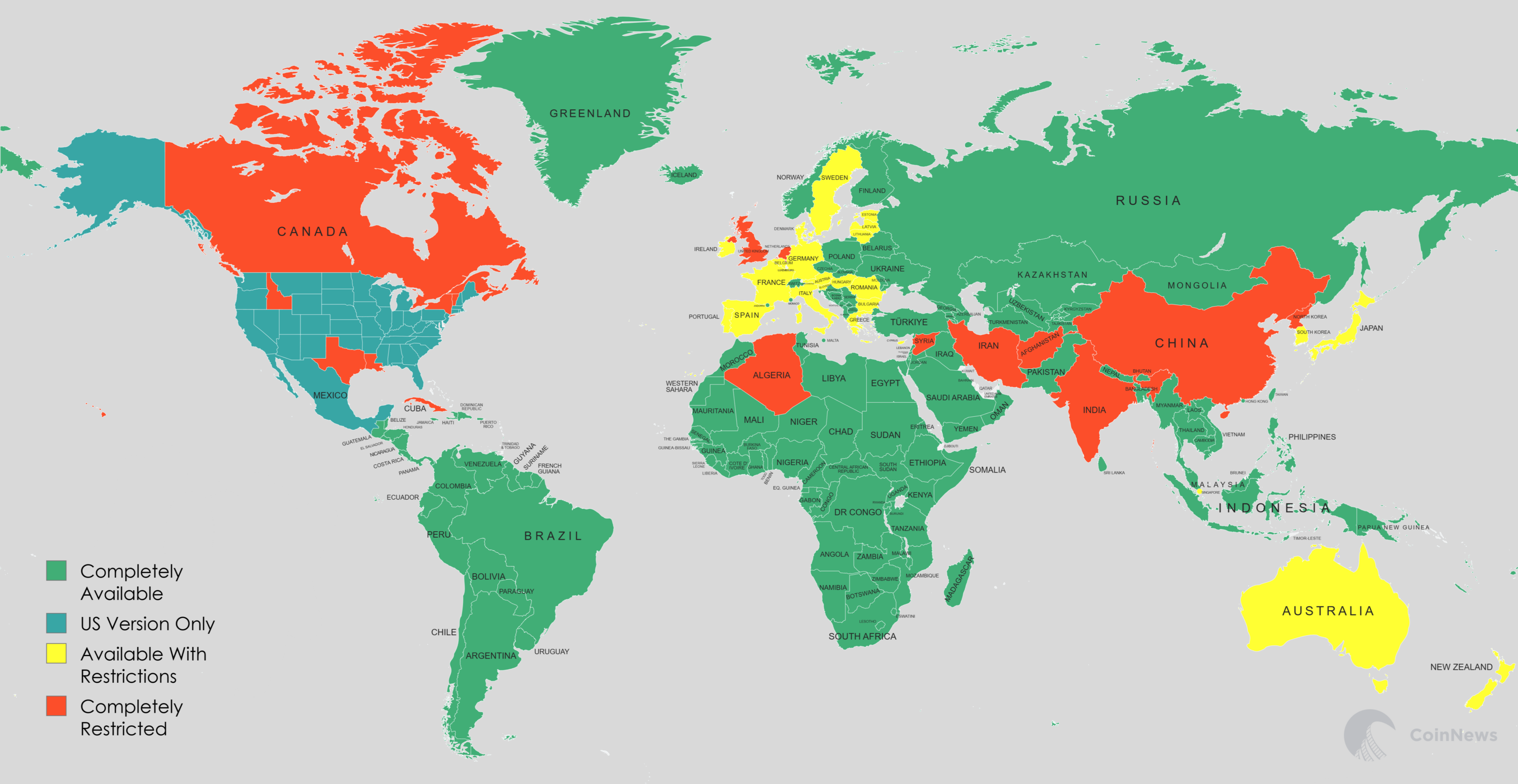
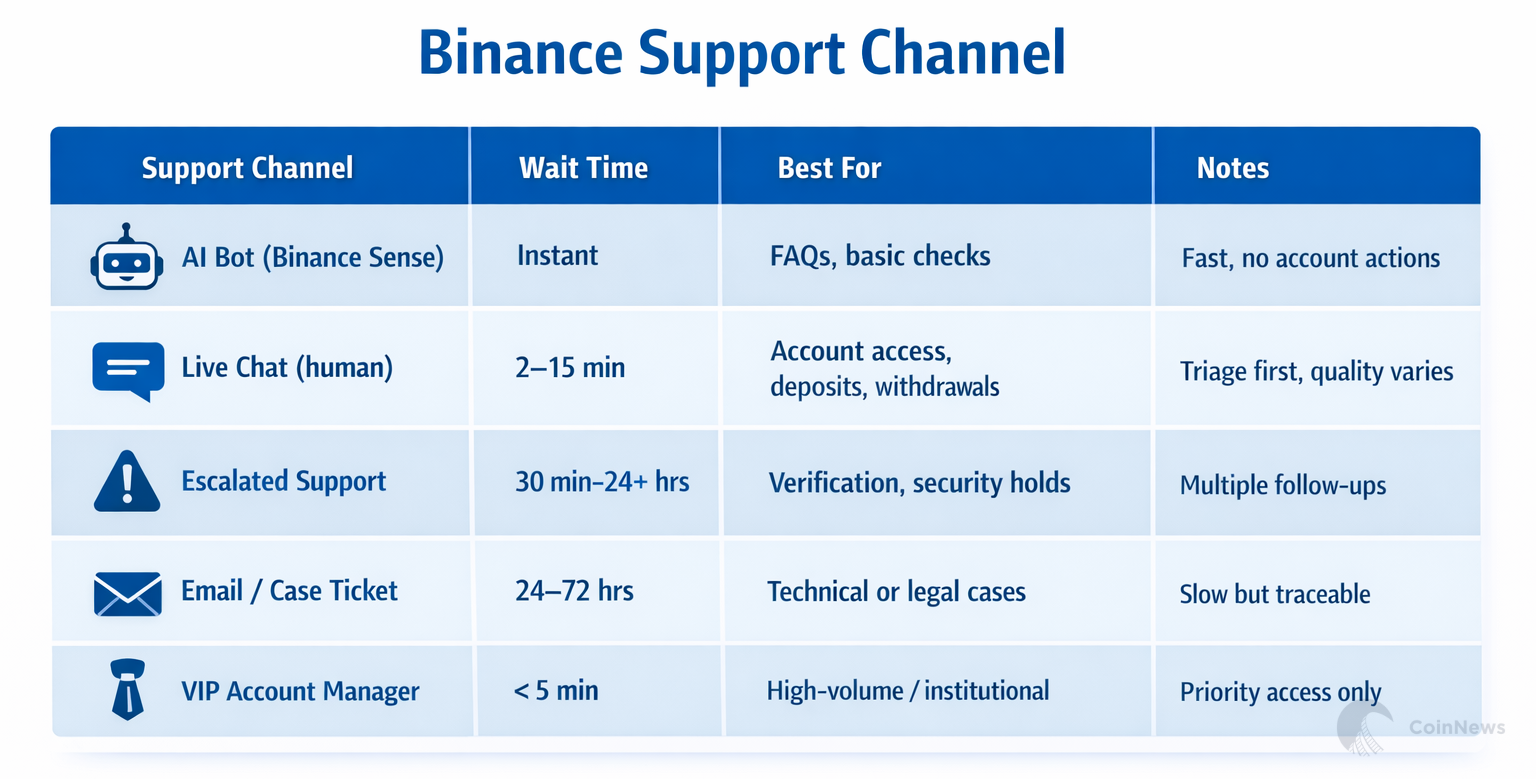
Binance operates as a custodial exchange that holds users who deposit funds in platform-controlled wallets. Your assets remain in Binance’s custody until you withdraw them to an external wallet. An internal order book system matches buy and sell orders on the platform. Trades execute at market prices or at limits you specify. Account balances reflect transactions on Binance’s internal ledger, not directly on public blockchains. Fast execution and lower fees stem from this custodial model compared to on-chain transactions. However, counterparty risk enters the equation since Binance controls private keys for deposited assets. Proof-of-reserves audits aim to verify that reserves back user balances, but PoR confirms reserve existence without full solvency proof. Users who prefer full asset control can transfer funds to decentralized wallets or hardware storage after they complete trades. Binance also offers a Web3 wallet with self-custody features built into the mobile app. Binance Academy provides educational resources for beginners, along with a simplified “Lite” interface option. The learning curve steepens after you move past basic buy/sell functions, but support materials help bridge knowledge gaps. Active traders benefit most from Binance’s depth. Low fees, high liquidity, and advanced order types serve frequent trade strategies well. Futures traders access up to 125x leverage across 300+ pairs. Long-term investors can use Earn products for passive yields and Auto-Invest for dollar-cost averages. Launchpool participation offers exposure to new projects before broad market access, with many rewards now tied to BNB staking. Traders need clear answers on security and legality. Binance maintains strong technical controls while it operates within a complex regulatory environment. Binance’s regulatory position varies by jurisdiction, and the company maintains specific registrations and licenses in several countries. Abu Dhabi serves as the global regulatory hub through the Abu Dhabi Global Market (ADGM), with Binance now licensed via three entities: Nest Exchange, Nest Clearing, and Nest Trading. France’s AMF registered Binance France SAS as a Digital Asset Service Provider, while Dubai’s VARA granted an operational license to Binance FZE for local operations. Major compliance issues reached resolution through the November 2023 settlement with US authorities. Binance agreed to pay $4.3 billion total across DOJ, CFTC, FinCEN, and OFAC settlements. The company admitted to Bank Secrecy Act violations, unlicensed money transmission, and sanctions violations. A five-year independent compliance monitor now oversees operations. The SEC filed a separate lawsuit in June 2023, and the case received dismissal with prejudice in May 2025. US residents cannot access Binance.com and must use Binance.US, a separate entity that offers roughly 160+ coins compared to 600+ on the global platform. Binance implements multiple layers of protection for user accounts and platform assets. 💎 Proof of Reserves: The platform publishes PoR data with Merkle Tree verification and zk-SNARKs (Zero-Knowledge Succinct Non-Interactive Arguments of Knowledge). This cryptographic method confirms that total reserves exceed user balances without individual account disclosure. Users can verify their account inclusion through the transparency portal. 🛡️ SAFU Fund: Binance reserves a portion of trading fees in the Secure Asset Fund for Users to cover losses from security incidents. Established in July 2018, this fund maintains a target value of $1 billion USD, held entirely in USDC stablecoin. Users can track the fund in real-time via the transparency dashboard. Account Protections: 🔐 Two-factor authentication (SMS, authenticator apps, hardware keys, Passkeys) 🔐 Anti-phishing codes 🔐 Withdrawal whitelisting with time delays 🔐 Real-time suspicious activity monitoring 🔐 Emergency Export for Web3 wallet users 🔐 Device management Cold Storage: Most user funds remain in offline cold storage, while hot wallets hold only amounts needed for immediate withdrawal requests. Under Abu Dhabi (ADGM) regulatory requirements, Nest Clearing manages these wallets and undergoes regular third-party audits. Binance has faced two major security breaches that tested its protective measures and led to substantial system upgrades. ⛔️ May 7, 2019: Hackers withdrew 7,000 BTC (worth approximately $40 million at the time) in a single transaction. Attackers obtained user API keys, 2FA codes, and other data through phishing and malware campaigns. Binance covered all losses through the SAFU fund. Users experienced no direct financial impact from this incident. ⛔️ October 2022: A cross-chain bridge exploit on the BNB Chain resulted in approximately $570 million in unauthorized token creation. This attack targeted BNB Chain infrastructure rather than the Binance exchange directly. Binance froze the majority of created tokens before movement. Each incident prompted immediate security upgrades. Binance expanded monitoring and withdrawal verification in response to the 2019 breach, while the 2022 exploit drove the creation of new on-chain governance defenses and a Whitehat program with bounties up to $1 million. Binance offers far more than basic spot trading through its comprehensive ecosystem, which covers most cryptocurrency use cases. Binance lists over 600 cryptocurrencies with thousands of trading pairs. Major assets like BTC, ETH, and BNB maintain deep order books that absorb large orders without significant price movement. Platform additions continue regularly, with traders monitoring upcoming Binance listings for new opportunities. Multiple interface modes serve different experience levels. Beginners can use the simplified “Convert” function for instant swaps, while experienced traders access full order books with advanced chart tools. Order types include market, limit, stop-limit, OCO (one-cancels-other), and trail stop orders. Spreads remain tight on high-volume pairs. Our test trades on BTC/USDT showed consistent bid-ask spreads below 0.01% during normal market conditions. Binance provides three primary tools for traders who need leverage, derivatives exposure, or sophisticated risk management. ⏭️ Futures: Over 300 perpetual and quarterly contract pairs offer leverage up to 125x on BTC and ETH, while most altcoins cap at 20x to 50x. USDT-margined and coin-margined options exist. Maker fees start at 0.02% and taker fees at 0.05%, with a 10% discount available for BNB holders. 💰 Margin: Cross margin and isolated margin accounts support leverage up to 10x on spot orders. Over 400 margin trade pairs exist with various collateral options. 🔀 Options: European-style options contracts on select assets. Volume trails futures significantly but serves traders who need hedge strategies. While traders execute manual positions in spot and derivatives markets, Binance also runs automated wealth-building tools that generate returns without constant monitoring. 🔍 Simple Earn: Flexible and locked savings products with variable APY rates. Major stablecoins offer 1-7% flexible yields, while higher rates apply to locked periods of 30, 60, or 120 days. Promotional offers can reach up to 20% APR for limited terms. 🔍 Launchpool: Stake BNB or stablecoins like FDUSD to farm new token allocations before public trade begins. BNB Simple Earn subscribers automatically enter active Launchpools without manual stake actions. 🔍 Launchpad: Participate in token sales for vetted projects. BNB commitment determines your allocation through a subscription model based on your share of total committed funds. 🔍 Auto-Invest: Schedule recurring purchases for dollar-cost average into selected assets. Portfolio Plans enable DCA across up to 10 coins simultaneously, while Index-Linked Plans automatically track the Top 10 cryptocurrencies by market cap. 🔍 Dual Investment: Structured products with enhanced yields but conditional settlement based on price movements. Monthly challenges offer rewards up to 5,888 USDC. 🔍 Megadrop: Combines BNB Locked Products with Web3 Wallet tasks to deliver exclusive airdrops for new projects. 🔍 HODLer Airdrops: BNB holders in Simple Earn (Flexible or Locked) receive automatic airdrops from select projects. Binance Alpha spotlights new cryptocurrency projects through a pre-list selection pool across AI, DeFi, game infrastructure, and real-world asset sectors. Selection depends on team credentials, community activity, and alignment with market trends. Classic operates through the non-custodial Binance Wallet with Quick Buy and anti-MEV protection. Users need native blockchain tokens (BNB, ETH, SOL) for gas fees. Alpha 2.0 integrates into the Exchange app and accepts Spot or Funding balances without separate wallets. Tokens appear in a dedicated Alpha tab, not the main spot market. Only 10% graduate to official Binance Spot listings. Alpha 2.0 purchases cannot be withdrawn until the official listing occurs. Binance maintains competitive rates with multiple discount opportunities that directly impact your trade profitability. Binance bases its fee structure on trade volume and BNB token use, with discounts that benefit both casual and institutional traders. 💠 Spot Trading Base rate: 0.1% maker / 0.1% taker BNB payment discount: 25% off (effective rate 0.075%) VIP tiers reduce fees further based on 30-day volume 💠 Futures Trading USDⓈ-M: 0.02% maker / 0.05% taker COIN-M: 0.015% maker / 0.05% taker BNB payment discount: 10% off futures fees ⚜️ VIP Tiers: Nine levels based on combined spot, margin, and bot trade volume. VIP 9 (the highest tier) requires $4 billion+ monthly volume and drops maker fees to 0.011% and taker fees to 0.023%. Network selection and payment method choices directly control your deposit and withdrawal costs. 💠 Crypto Deposits: Free for all supported assets. 💠 Crypto Withdrawals: Variable fees based on asset and network. BTC withdrawals cost approximately 0.0002 BTC (network-dependent). ERC-20 token withdrawals fluctuate with Ethereum gas prices. Selecting alternative networks (like BSC or Arbitrum) often reduces costs significantly. 💠 Fiat Deposits: Free via SEPA bank transfer in Europe. Credit/debit card deposits carry 1.8-2% fees. P2P trades may offer zero fees depending on the counterparty. 💠 Fiat Withdrawals: SEPA transfers at €1.50. Wire transfers and card withdrawals vary by region and method. Binance fees rank among the lowest across major exchanges. Check our quick comparison: Industry-average spot fees are approximately 0.15% maker and 0.19% taker. Binance beats both benchmarks, especially when BNB discounts apply. High-volume traders achieve even better rates through VIP tiers. Select pairs like BTC/FDUSD and ETH/USDC offer zero-fee promotions. Hidden costs exist in the spreads on instant-buy features. Order book interfaces save money compared to simplified purchase flows. Users choose between custodial storage on the exchange platform or self-custody through the integrated Web3 Wallet. Binance controls your exchange wallet and holds deposited assets on your behalf. This custodial model enables instant trades and full access to platform features. Proof-of-reserves audits verify asset backing, while you trust Binance with private key management. Seamless integration with all trade and earn products creates the primary advantage. Counterparty exposure forms the core risk. Major security breaches or operational failures at Binance could affect custodial assets despite SAFU protections. Binance supports withdrawals to any compatible external address. You can move assets to: 💾 Hardware wallets: Ledger, Trezor, and other cold storage devices 📲 Software wallets: MetaMask, Trust Wallet, Best Wallet, and others 📄 Paper wallets: For long-term cold storage Traders should keep only active capital on the exchange and transfer long-term holdings to self-custody solutions where they control the private keys. Our best crypto wallets guide covers options for secure external storage. Built into the mobile app, Binance Web3 Wallet offers a middle ground between full exchange custody and complete self-custody. This wallet uses MPC (multi-party computation) technology that splits keys for enhanced security while you maintain a connection to the Binance ecosystem. Comprehensive tools fill every corner of the interface, but new users need time to master the platform’s complexity. Extensive functionality is packed into a complex desktop layout that challenges first-time users. Multiple menus, trade modes, and product categories compete for attention and create a steep climb for beginners. Lite mode simplifies the experience for basic buy/sell operations, while advanced traders benefit from the customizable dashboard, TradingView integration, and multi-monitor support. Keyboard shortcuts accelerate order placement for active traders. Navigation logic clicks into place with repeated use. Markets, Trade, Futures, Earn, and other sections organize products clearly after you understand the structure. iOS and Android apps mirror web functionality with touch-optimized interfaces. App Store reviews push ratings to 4.8 stars (iOS) and 4.8 stars (Android) across hundreds of thousands of user assessments. Trade execution, deposits, withdrawals, and Earn products function smoothly on mobile without friction. Advanced chart tools feel constrained on smaller screens, so serious technical analysis works better on a desktop. Push notifications keep users informed about price alerts, order fills, and security events. Biometric login adds convenience without account security compromise. Your experience level and objectives determine how easily you navigate Binance. Beginners can execute simple purchases, while advanced features demand deep platform knowledge. Basic purchases through the Convert function require minimal knowledge. Guided flows walk users through asset selection, amount entry, and confirmation in a few taps. Advanced trade execution demands significant platform familiarity. Order types, leverage controls, margin modes, and risk parameters require understanding before safe use. Binance Academy resources help bridge knowledge gaps, but users need time to complete that education. Traders who invest effort in platform mastery will find Binance rewarding, while users who want simple, instant access to crypto might find the best crypto exchanges like Coinbase or Crypto.com more accessible. Binance operates in over 100 countries across Europe, Asia-Pacific, Africa, and Latin America, but regulatory frameworks create a complex patchwork of access levels. Some regions enjoy broad platform availability with minor limitations, while others face complete blocks or must use alternative platforms. EU nations access spot trades under MiCA regulation, but cannot use Futures or Options. Australia limits users to spot trades only. Japan requires users to access the regulated Binance Japan subsidiary with 100+ approved tokens and no high-leverage products. Singapore blocks most resident access to Binance.com. US residents must use Binance.US, which offers 160+ coins versus 600+ on the global platform and lacks futures trades. Six US states block even Binance.US access: New York, Texas, Hawaii, Vermont, Idaho, and Louisiana. Binance froze UK account registrations in late 2023 and removed all UK Futures access in August 2025. Canada and the Netherlands face complete service withdrawal. Account creation marks just the first step in a process that spans identity verification, fund deposits, trade execution, and secure withdrawals. Registration takes under five minutes and locks down your account with modern security from the start. Step 1: Visit binance.com (or binance.us for American users) and click “Register.” Step 2: Enter your email address and create a strong password. Alternatively, register through a mobile number, Apple ID, or Google account. Step 3: Complete the email/phone verification code entry. Step 4: Set up two-factor authentication immediately. Binance recommends passkeys (FaceID or TouchID) for phishing-immune security Binance accepts both cryptocurrency transfers and traditional fiat payment methods, each with distinct speed and cost characteristics. 💠 Crypto Deposits: Navigate to Wallet > Receive. Select the asset and network (choose carefully since the wrong network = lost funds). Send from your external wallet to the provided address. 💠 Fiat Deposits: Wallet > Deposit > Select your currency. Options include bank transfer (SEPA, wire), credit/debit card, P2P purchase, and third-party payment providers. Card purchases are processed instantly but incur higher fees. Order types differ in speed, price control, and costs. 💠 Market Orders: Execute immediately at current prices. Best for speed when price precision matters less. 💠 Limit Orders: Set your target price and wait for the market to reach it. Incur maker fees (lower than taker) when adding liquidity. 💠 Convert Function: Simplified swap interface for instant exchanges between assets. Convenient but potentially includes spread markup. Exit strategies require careful address verification and security checks to protect your assets. 💠 Crypto Withdrawals: Wallet > Withdraw > select asset and network. Enter destination address carefully (triple-check before you confirm). Security verification through 2FA and email confirmation protects against unauthorized transfers. 💠 Fiat Withdrawals: Linked bank accounts receive direct transfers. Processing times range from instant to several business days based on method and region. 24-hour security holds apply to new withdrawal addresses. This delay prevents immediate theft if account access becomes compromised. Support quality matters when issues arise. Binance delivers customer assistance through multiple channels with various response times and capabilities. 🗨️ Live Chat: Available 24/7 through the website and app. Initial bot responses route to human agents for complex issues. 🆘 Support Center: A comprehensive FAQ and guide database covers the most common questions. Search functionality helps locate relevant articles quickly. 👥 Community Forums: User discussions provide peer assistance for general questions. 📢 Social Media: Official Twitter/X, Telegram, and other channels share announcements but do not handle individual support cases. No phone support exists. Email tickets work for complex issues, but response times vary. Educational materials help users develop trade skills safely. Binance Academy provides free courses, articles, and video tutorials covering cryptocurrency basics, blockchain fundamentals, trade concepts, security practices, and wallet setup. Practical examples and clear explanations build foundational knowledge before users risk capital. Experienced traders access technical analysis guides, DeFi protocol breakdowns, market research, and strategy tutorials for advanced skill development. Learn & Earn rewards users with small crypto amounts when they complete educational modules, an approach that builds expertise while it delivers tangible value. No exchange serves all users perfectly. Alternatives address different priorities, and we wanted to show you how: Coinbase prioritizes regulatory compliance and accessibility for beginners. The platform holds licenses across US states and operates as a public company with transparent financials. Binance offers more coins, lower fees, and advanced features. Coinbase provides simpler interfaces and stronger US regulatory standing. ➡️ Choose Coinbase if: You prioritize US regulatory clarity, want the simplest interface, or need support in all 50 states. ➡️ Choose Binance if: You need extensive altcoin access, lowest fees, or advanced trading tools (non-US users only). Kraken emphasizes security with a 15-year track record free of major breaches. Transparent proof-of-reserves and strong regulatory compliance appeal to cautious users. Binance surpasses Kraken in liquidity, coin selection, and product variety. Kraken offers simpler pricing and easier navigation. ➡️ Choose Kraken if: Security track record matters most, you want straightforward pricing, or you prefer a smaller but curated coin selection. ➡️ Choose Binance if: You need maximum liquidity, want access to futures/derivatives, or prefer extensive product options. These exchanges target similar global trader demographics with aggressive feature sets. Platforms compete on leverage limits, altcoin selection, and fee structures while they navigate different regulatory environments. ➡️ KuCoin: Extensive altcoin listings rival Binance. Trading bots and lending products add value. Lower liquidity than Binance on major pairs. ➡️ OKX: Strong derivatives and Web3 wallet integration. Competitive fees and growing regulatory compliance. ➡️ Bybit: Professional derivatives platform with copy trading. Recovered well from the February 2025 security incident with full user reimbursement. ⭐ Overall Rating: 4.5/5 Regulatory complexity and past enforcement actions create legitimate concerns, particularly the 2023 settlement and restricted access across key markets. US residents face significant limitations through Binance.US, while UK and Canadian users lost access entirely. Complex interfaces overwhelm new users who seek simple crypto entry points. Binance still dominates where it counts most for serious traders. Industry-top liquidity absorbs large orders without slippage, fees undercut nearly every competitor, and 600+ assets with futures, stake options, and exclusive launch platforms deliver unmatched versatility. The security infrastructure, with proof-of-reserves and the $1 billion SAFU fund, professionally protects user capital. Non-US active traders, altcoin enthusiasts, and users who demand comprehensive ecosystem tools gain maximum value. US residents, regulatory-cautious investors, and simplicity-seekers should explore Coinbase or Kraken instead. Binance implements strong security controls with 2FA, cold storage, and the SAFU emergency fund. Users received full compensation after the 2019 breach**. Proof-of-reserves** audits provide transparency on asset backing. No exchange offers zero risk, but Binance maintains professional-grade security infrastructure. US residents cannot use Binance.com and must access the separate Binance.US platform. EU users can access Binance after regulatory registrations in France and compliance with MiCA requirements. UK users face restrictions since Binance withdrew from that market. Verify current availability for your specific country before you deposit funds. Binance mandates identity verification for all core features. Verified status enables standard trades and moderate withdrawal limits. Verified Plus unlocks higher limits. Unverified accounts face significant restrictions on deposits, trades, and withdrawals. Spot trades start at 0.1% maker/taker. Users who pay fees with BNB tokens reduce rates by 25% to an effective 0.075%. Futures fees start at 0.02% maker / 0.05% taker. VIP tiers based on trade volume offer additional discounts. Beginners can use Binance despite the learning curve. Lite mode and the Convert function simplify basic purchases. Binance Academy provides free educational content. New users should start with small amounts while they learn the interface before they commit larger amounts of capital. Binance provides both a custodial exchange wallet and a self-custody Web3 wallet built into the mobile app. Exchange wallets hold funds under Binance’s control for trades. Web3 wallets give users direct private key control for dApp interactions. Binance leads in liquidity, coin selection, and product breadth. Fees rank among the industry’s lowest. Regulatory status trails exchanges like Coinbase and Kraken. Security controls are strong, but the 2019 breach and 2023 enforcement actions affect the track record. For most global traders, Binance offers the best combination of features and costs.How Binance Works
Who Is Binance Best For?
Is Binance Legal and Secure?
⭐ Security Rating: 4.3/5
Regulation and Compliance
Security Measures
Past Security Incidents
Binance Products and Services
⭐ Products Rating: 4.8/5
Spot Trading
Advanced Trading
Earn & Investment Products
Binance Alpha
Binance Fees Explained
Trading Fees
Deposit & Withdrawal Fees
Are Binance Fees Competitive?
🏦 Exchange ✍️ Spot Maker ⚡ Spot Taker Binance 0.1% (0.075% with BNB) 0.1% (0.075% with BNB) Coinbase Advanced 0.4% 0.6% Kraken Pro 0.25% 0.4% MEXC 0% (select pairs) 0% (select pairs) Binance Wallet & Asset Storage
⭐ Wallet Rating: 4.3/5
Built-in Custodial Wallet
External Wallet Compatibility
User Experience (UX & Interface)
⭐ UX Rating: 4.4/5
Binance Web Platform
Binance Mobile App
Is Binance Intuitive and Easy to Use?
Countries Where Binance Is Available
Where Binance Operates With Restrictions
Where Binance Is Blocked or Heavily Limited
How to Use the Binance Platform
Creating an Account
Depositing Funds
Buying and Selling Crypto
Withdrawing Funds
Binance Customer Support
⭐ Support Rating: 4.1/5
Binance Academy & Educational Resources
Binance Alternatives and Comparisons
Feature Binance Coinbase Kraken MEXC KuCoin OKX Bybit Coins Listed 600+ 250+ 600+ 3,000+ 700+ 350+ 600+ Spot Fees 0.1% (0.075% w/ BNB) 0.4%/0.6% 0.25%/0.4% 0%/0% (select pairs) 0.1%/0.1% 0.08%/0.1% 0.1%/0.1% US Access No (Binance.US only) ✅ ✅ ❌ Restricted ❌ ❌ Futures Yes (125x on BTC/ETH) ❌ ✅ (50x) ✅ (200x) ✅ (100x) ✅ (125x) ✅ (100x) PoR Audits Yes ✅ ✅ Limited ✅ ✅ ✅ Binance vs. Coinbase
Binance vs. Kraken
Binance vs. KuCoin / OKX / Bybit
CoinNews Final Rate: Is Binance Worth Using?
FAQs About the Binance Exchange Platform