


Oil Shock and ETF Outflows Push Bitcoin Toward $60,000 Risk Zone
Rising crude prices, higher Treasury yields, and $225M in Bitcoin ETF outflows have driven BTC to $64,980 with $60,000 now in focus.

Bitcoin dropped to $64,980 on July 23 as Brent crude settled above $100 a barrel for the first time since May and the 10-year US Treasury yield climbed to roughly 4.7%, its highest since January 2025, triggering a broad retreat from risk assets.
Oil Shock and Rising Yields Squeeze Bitcoin
The repricing followed attacks on two Saudi oil tankers in the Red Sea that prompted President Donald Trump to threaten Iran and the Houthis with military retaliation, raising fresh concerns about energy flows already constrained by reduced traffic through the Strait of Hormuz. Brent settled 7% higher at $100.69 on July 23 before pulling back to around $96.70 in European trading, while the S&P 500 fell 1.2% and the Nasdaq Composite lost 2.2%.
Higher energy costs risk keeping inflation elevated and limiting the Federal Reserve’s room to ease policy. CME FedWatch placed the probability of a quarter-point rate increase at the July 28–29 Fed meeting near 40%, a repricing that would tighten financial conditions further for liquidity-sensitive assets. André Dragosch, head of research for Europe at Bitwise, noted that a sustained rise in oil could push the 10-year Treasury yield above 5%, while major oil importers such as Japan may need to raise cash as energy bills increase – creating an additional source of selling pressure in US Treasuries. Understanding how Fed policy decisions translate into Bitcoin price action is increasingly central to trading BTC in this environment.
ETF Outflows Snap Seven-Session Inflow Streak
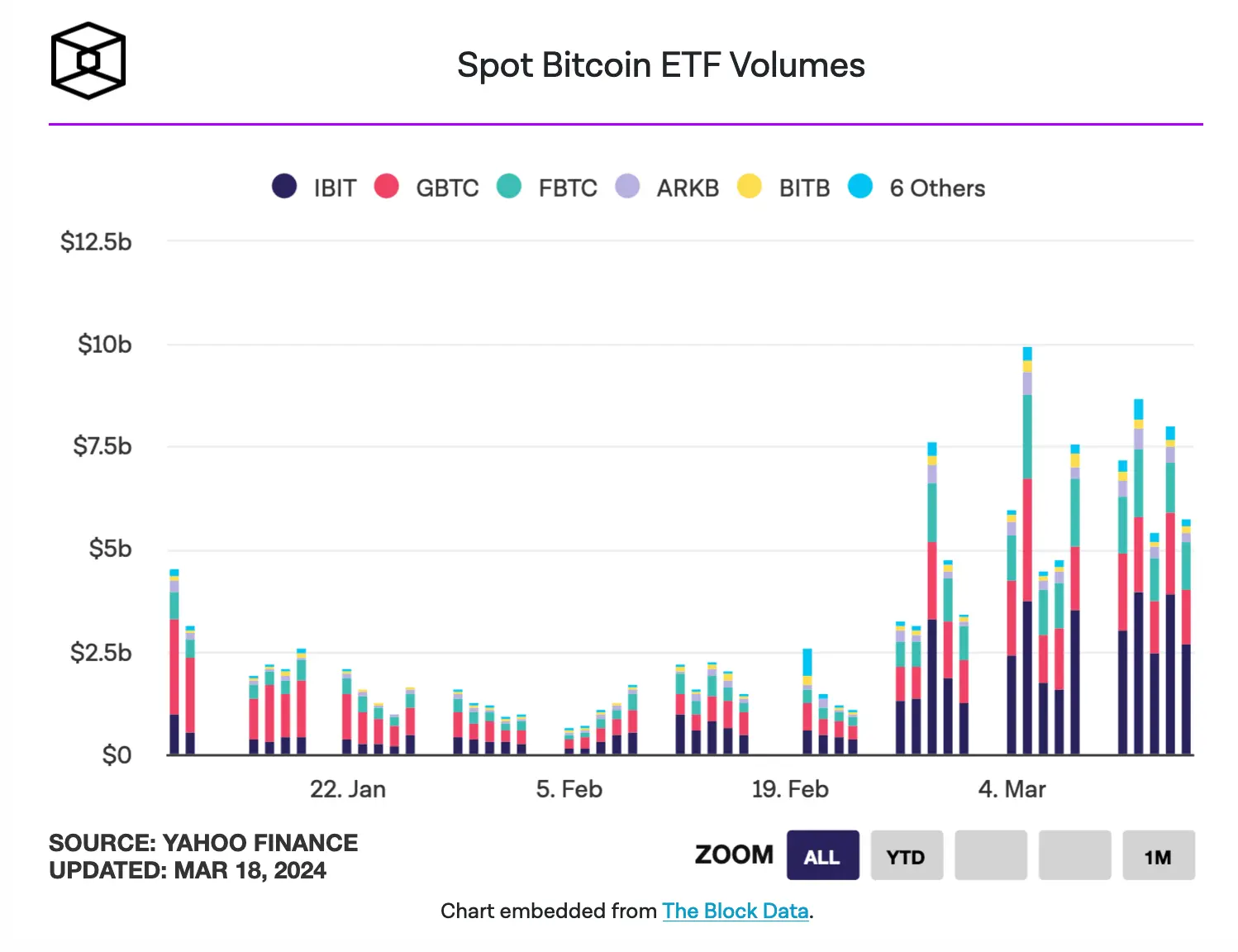
US-listed spot Bitcoin ETFs posted $225.2 million in net outflows on July 23, ending a seven-session inflow run that had accumulated nearly $1 billion, according to SoSoValue data. The funds remained about $274 million positive for the week through Thursday, but the single-session reversal removed a demand pillar that had helped underpin Bitcoin as macro pressure intensified. BlackRock’s IBIT accounted for 90% of that outflow, per separate CryptoSlate reporting.
On-chain data from CryptoQuant compound the concern. Founder and CEO Ki Young Ju noted that spot demand has been largely negative or flat since June, while futures demand remains positive but well below levels recorded during Bitcoin’s rebound three months earlier. The divergence – derivatives-led recovery with weakening spot participation – leaves leveraged positions more exposed to a reversal, a dynamic familiar from Bitcoin’s prior tests of the $65,000–$67,000 zone. Jurrien Timmer, Fidelity Investments’ director of global macro, added that a still-positive bond-equity correlation means rising term premiums could weigh on both asset classes simultaneously, narrowing the diversification options available to institutional allocators.
Red Sea Escalation Keeps the Pressure On
JPMorgan analysts estimated that each additional month of constrained Red Sea supply could add $7 to $8 a barrel to Brent, with a three-month disruption potentially pushing the benchmark’s monthly average toward $114. That scenario would sustain the same combination of elevated inflation expectations, upward yield pressure, and reduced Fed flexibility that drove Bitcoin below $65,000 this week. The institutional flow dynamics that previously supported Bitcoin near $66,000 have now inverted, and a de-escalation that restores shipping lanes remains the clearest near-term path to relieving macro pressure on the asset.
The path of least resistance remains lower, with $60,000 as the next structural level the market will be forced to price if oil holds elevated and the Fed signals further tightening at its July 28–29 meeting.
Follow CoinNews on X and Telegram for real-time updates on Bitcoin price action and macro developments.
About Author

About Author