


How a Housing Law Quietly Banned the Fed From Issuing a Digital Dollar
A bipartisan housing bill now bars the Fed from issuing a CBDC, reshaping the competitive landscape for private stablecoin issuers and crypto markets.
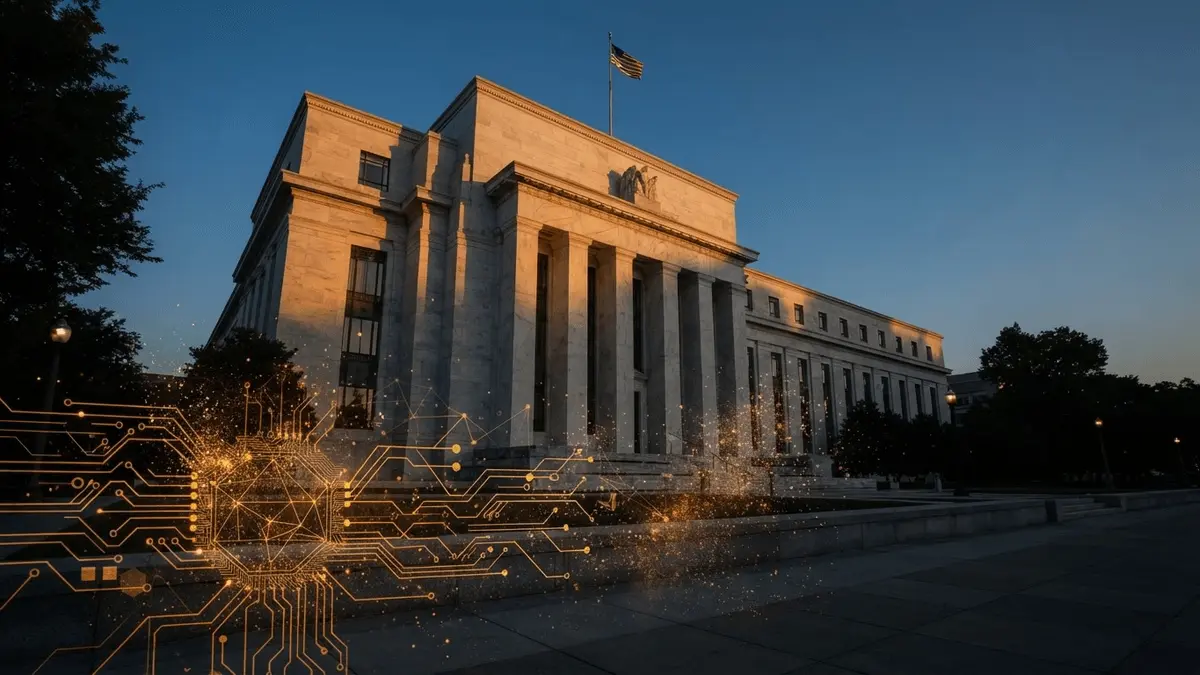
The 21st Century ROAD to Housing Act became US law on Friday, July 11, without President Trump’s signature – and embedded inside the bipartisan housing package is a provision that formally bars the Federal Reserve from issuing a central bank digital currency, codifying the ban into statute.
How a Housing Bill Became Crypto Policy
The bill cleared the Senate 85-5 and the House 358-32 – margins wide enough to override a veto – before being sent to the White House. Trump declined to sign it, posting on Truth Social that he would refuse in protest over the Senate’s failure to advance the SAVE AMERICA ACT, which would require proof of citizenship to vote in federal elections. The Constitution’s ten-day rule then did the rest: a bill presented to the president that receives neither a signature nor a veto automatically becomes law after ten days, which is precisely what happened here.
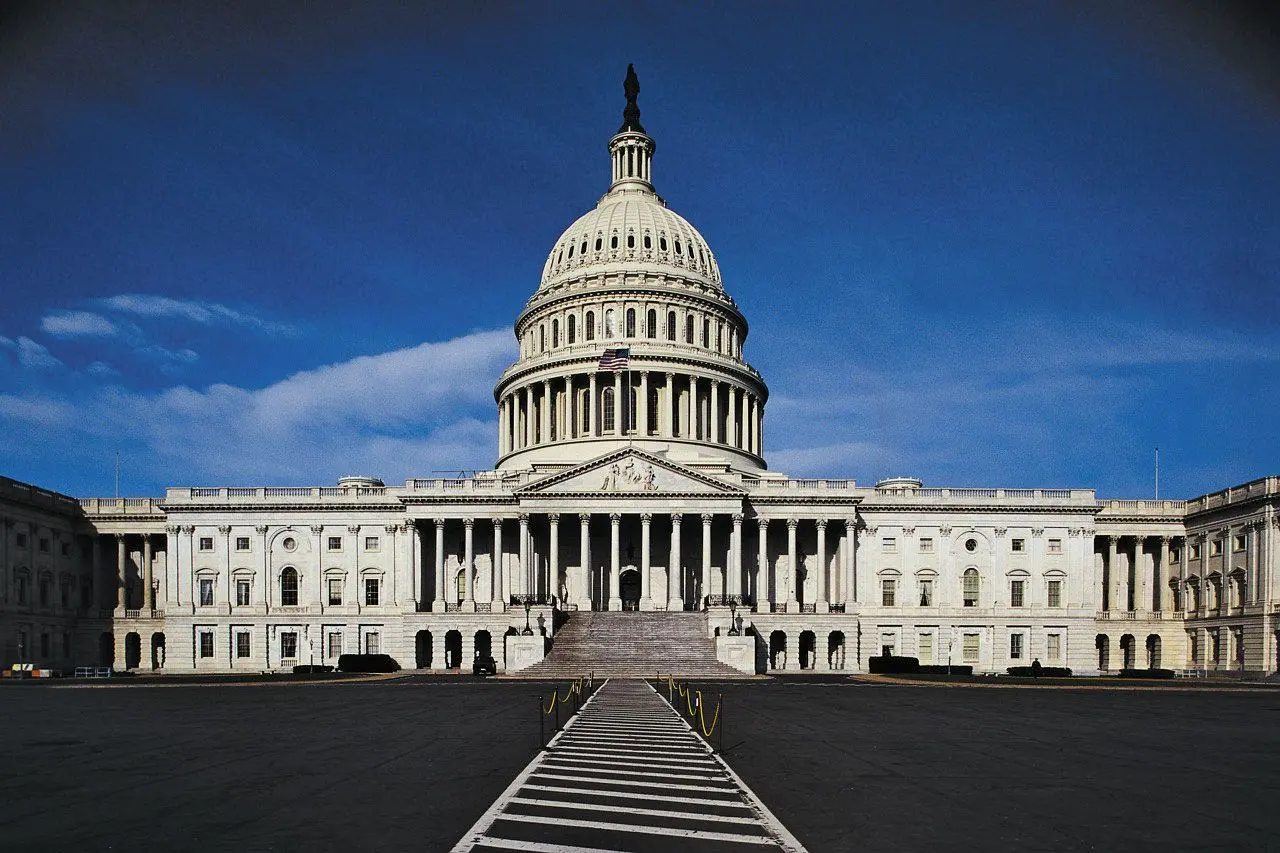
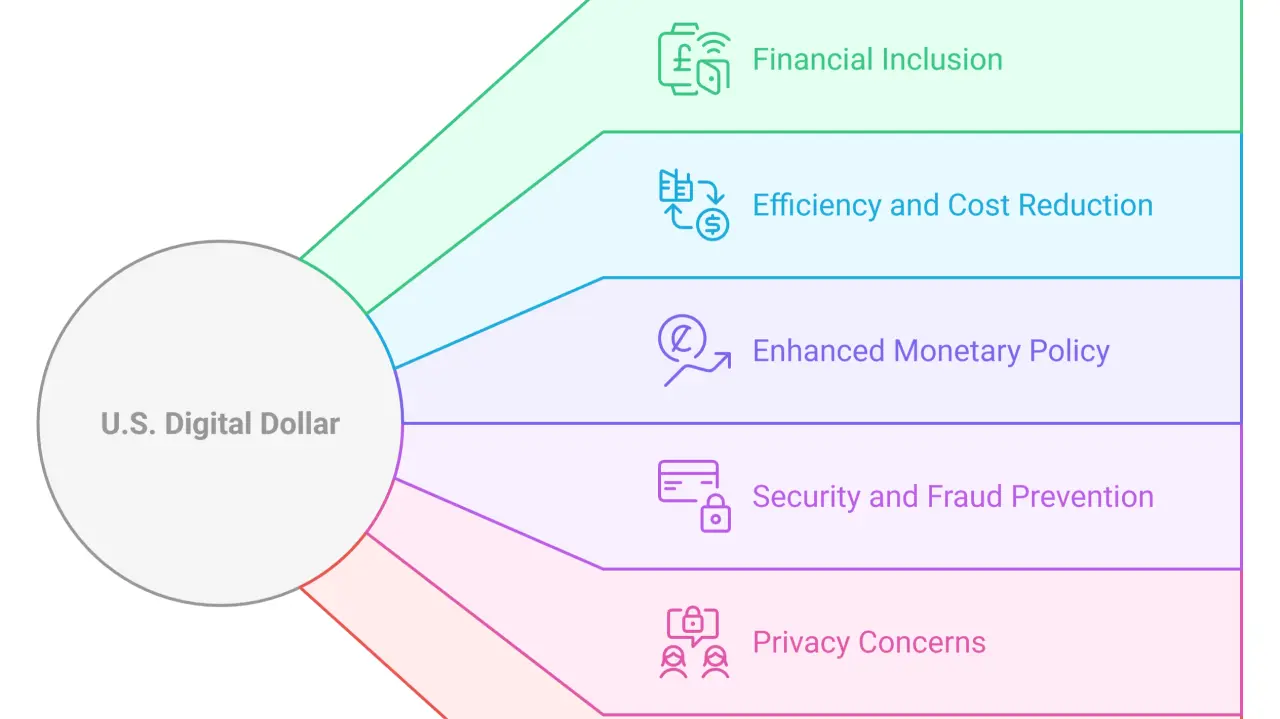
The housing law’s primary purpose is to expand affordability – encouraging construction and broadening financing options – but the CBDC provision is what gives it direct relevance to crypto markets. A CBDC is a digital form of fiat money issued and regulated directly by a nation’s central bank; the ban prohibits the Fed from issuing one, removing what had been a theoretical but persistent competitive threat to private-sector dollar alternatives.
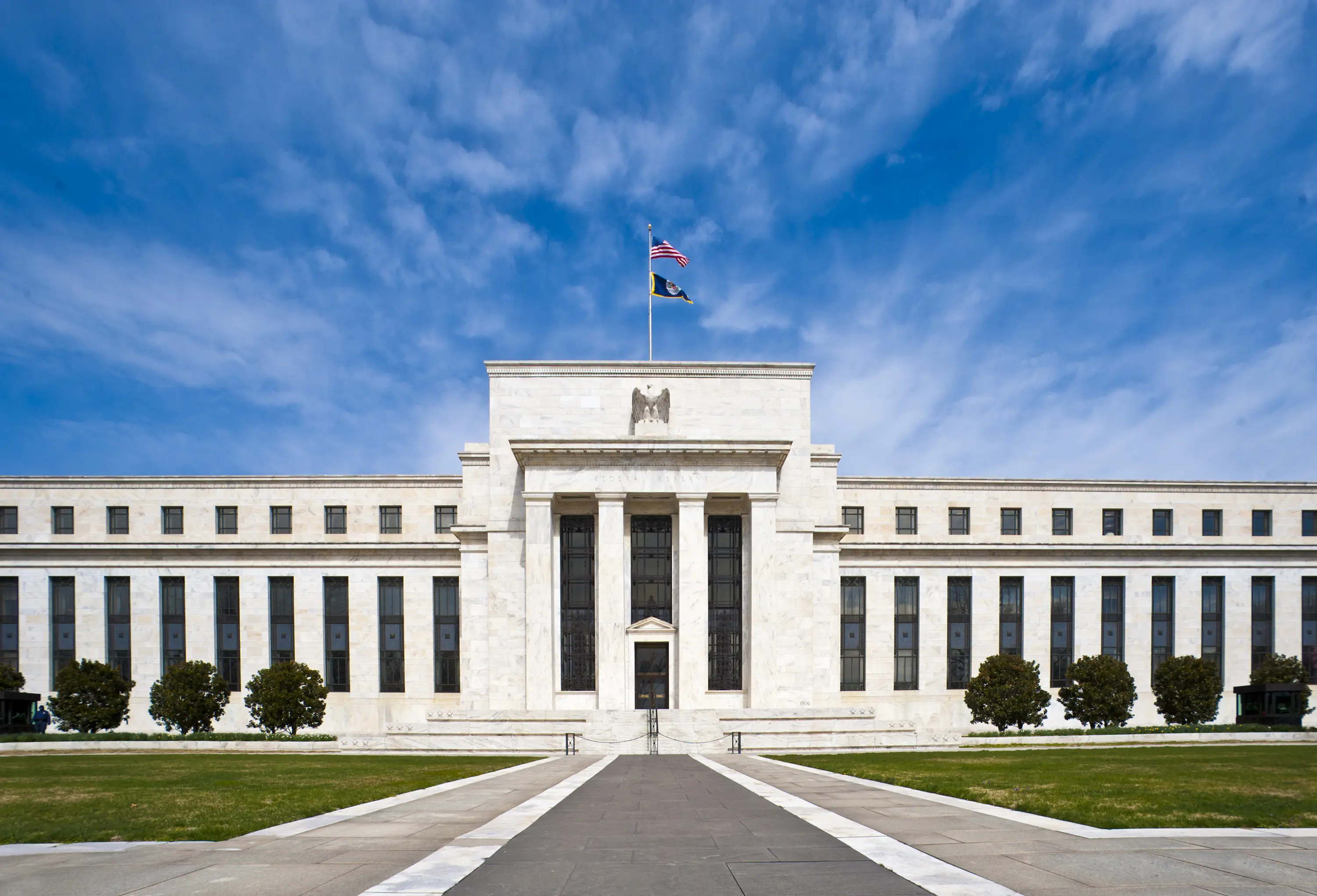
The Federal Reserve had already maintained a cautious public posture, releasing a report in 2022 examining the pros and cons of a digital dollar and repeatedly stating it would not proceed without explicit congressional authorization. That deference to Congress is now matched by a statutory instruction from Congress itself.
The Stablecoin Connection
The CBDC question did not arrive in isolation. It surfaced prominently during the GENIUS Act debate – the stablecoin framework that advanced through Congress – when a bloc of Republican lawmakers, including former Rep. Marjorie Taylor Greene, voted against the bill in part because they wanted a harder prohibition on CBDCs rather than the softer treatment they felt the stablecoin legislation provided. That objection helped fragment the vote coalition and delayed passage.
Attaching anti-CBDC language to the housing bill was one of several vehicles lawmakers tested for making the prohibition durable. The supermajority margins – particularly the 85-5 Senate vote – suggest the provision carried genuine bipartisan support rather than narrow partisan positioning, which matters for its staying power.
For stablecoin issuers operating under the GENIUS Act framework, the statutory CBDC ban reduces near-term competitive risk from a Fed-issued retail digital dollar. The market will be forced to price that structural shift – however incrementally – into the relative positioning of private-sector dollar-denominated tokens. Broader US regulatory momentum is building in parallel; state-level crypto tax proposals illustrate how regional frameworks are diverging from federal policy direction even as Washington moves toward clarity.
Regulatory Implications for the Fed and Private Markets
The scope of the ban matters beyond the headline. Anti-CBDC legislation advanced separately through Congress during the 119th Congress – including H.R. 1919 – has described language that would prohibit the Fed from issuing not only a CBDC but any digital asset of a similar type, and would also restrict the central bank from offering products or services directly to individuals. Those provisions, included in related legislation, helped shape the policy environment in which the housing bill’s CBDC section was drafted.
That landscape has structural implications for Fed research programs as well. The central bank has conducted exploratory work on digital payments infrastructure, including the FedNow instant payment system, which is distinct from a CBDC but exists in overlapping policy territory. Any enforcement guidance on the precise scope of the ban will be a key document for compliance teams at financial institutions and for the Fed’s own internal research mandate.
Internationally, the US ban lands against a backdrop of active CBDC deployment elsewhere – the Bahamas, Jamaica, Nigeria, China, India, and Russia have all launched or piloted digital currencies at various stages of development. US policymakers have framed the domestic prohibition partly in terms of financial privacy and partly as a question of whether government-issued digital money could be used as a surveillance or control mechanism. That framing, while not new, now carries statutory weight.
Regulatory clarity of this kind functions as a market-structure input rather than a pure sentiment variable – it shifts the risk calculus for allocators making long-duration decisions, not just day traders reading headlines. Institutional positioning in assets like Bitcoin is shaped by the broader regulatory environment in which such bans are enacted.
What Comes Next
The other near-term variable is the Clarity Act, which is advancing separately through Congress as it returns to Washington and would establish a broader framework for digital asset classification. How the CBDC ban’s language interacts with the Clarity Act’s definitions – particularly around what constitutes a digital asset subject to federal oversight – will determine whether the housing bill’s crypto provision is a clean terminus or the first in a sequence of legislative clarifications.
Federal agency implementation guidance will also be consequential. The exact regulatory perimeter of the ban has not been litigated, and multiple federal agencies with oversight roles in financial markets may have stakes in how that boundary is drawn. The path of least resistance for private stablecoin issuers is clearer today than it was before Friday – but the market will be forced to price the remaining uncertainty as that guidance develops.
Source: The Block
Follow CoinNews on X and Telegram for live regulatory updates and market structure analysis.