


SEC Wiped Gensler’s Messages, Says Coinbase
Coinbase has accused the SEC of deleting Gary Gensler’s texts during key crypto events and is asking a federal court to impose sanctions and order full disclosure.
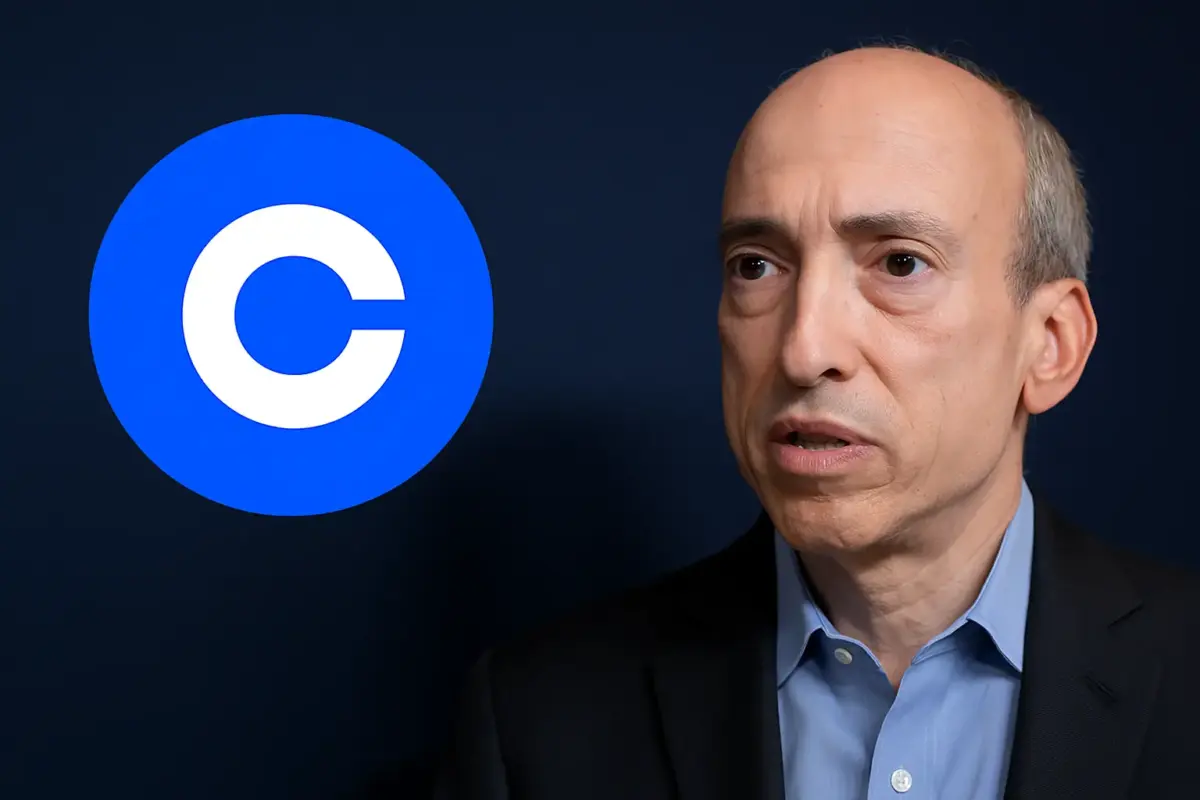
Coinbase is accusing the U.S. Securities and Exchange Commission (SEC) of deleting important text messages from former Chair Gary Gensler.
The crypto exchange says these messages were wiped during a time when the SEC was taking major action against the crypto industry, including Coinbase itself.
In a legal filing on Thursday, Coinbase asked a federal court to order a faster and more complete search of Gensler’s deleted texts.
The company also wants the court to impose sanctions on the SEC. The request was filed through History Associates, a private research firm working on Coinbase’s behalf.
This legal move follows a September 3 report from the SEC’s own Office of Inspector General. The report said that nearly one year of Gensler’s text messages had been permanently deleted in 2023.
The messages covered the time between October 2022 and September 2023. That period includes several major events in crypto, like the collapse of FTX, Ethereum’s shift to proof-of-stake, and an increase in SEC enforcement actions.
According to the report, Gensler’s government-issued phone was reset to factory settings in September 2023. This process wiped all data, including the text messages.
The agency’s IT staff carried out the reset under a policy that deletes data from phones not connected to the SEC network for 45 days. The report also said the messages could have been preserved but weren’t.
“The Gensler SEC destroyed documents they were required to preserve and produce. We now have proof from the SEC’s own Inspector General. Today we ask the federal court to address this gross violation of public trust to ensure that it never happens again,” Paul Grewal, Coinbase Chief Legal Officer, said Thursday on X.
Grewal added that Coinbase had already asked the SEC years ago for “all communications” related to crypto regulation. He now says Coinbase wants fast legal discovery, court-ordered penalties, and full production of any remaining messages.
Missing Messages Spark Transparency and Recordkeeping Concerns
The deleted messages are part of a bigger legal battle between the SEC and History Associates.
The research firm has been trying to obtain Gensler’s communications through the Freedom of Information Act (FOIA). It filed a lawsuit earlier, saying the SEC had failed to hand over records it was legally required to provide.
In the Thursday filing, lawyers for History Associates said the SEC ignored court orders that required it to produce “all documents and communications.”
They argue that the agency did not search Gensler’s text messages at all. They also say this failure breaks the rules of legal discovery and may justify sanctions.
Coinbase says the missing texts are not just a paperwork problem. The company believes the messages could show how the SEC formed its current crypto policy and why it chose to take action when it did.
That includes decisions about how Ethereum is classified and why the SEC went after certain crypto exchanges during that time. The erased messages line up with Coinbase’s ongoing FOIA lawsuit.
The company wants to see how the SEC made internal decisions during key crypto events. Coinbase also wants more details on how the agency came to view digital assets, especially Ethereum, as falling under its jurisdiction.
At first, the SEC denied Coinbase’s FOIA requests by claiming the records were exempt because they were part of law enforcement. But after Coinbase sued in June 2024, the SEC dropped that defense.
The Inspector General’s report also revealed that Gensler’s case was not the only one. More than 40 other SEC officials may have also lost records from their devices.
Of those, 21 were confirmed or suspected to have had data destroyed. This raised broader concerns about how the SEC handles its own records.
“Had the SEC conducted proper searches when the FOIA requests were submitted in 2023, the agency could have reviewed and processed those records then, or at least taken steps to preserve them,” the Coinbase-backed filing stated.
Others in the crypto industry are also worried. The Chief Business Officer at BitSave, Shiv Pande, said the loss of these communications creates serious questions.
“Regulatory positions carry the heavy responsibility of gatekeeping, where decisions must be anchored in fair principles and objective evidence,” he noted.
Coinbase Wants Sanctions and a Clear Legal Response
Coinbase is not just looking for answers. It wants the court to take action. The company is asking the judge to impose sanctions on the SEC, speed up the discovery process, and require the agency to hand over all remaining records.
Grewal said Coinbase will continue pushing until the SEC is held accountable. He called the agency’s behavior a “destroy-and-delay approach to records” and said it must stop immediately.
Legal experts say courts treat the destruction of possible evidence very seriously, especially when it happens after a formal request for information has already been made. Judges often look at whether the deletion was intentional.
Based on that, they can impose a range of penalties, including ordering more searches, issuing fines, or limiting what the SEC can argue in court.
The Director at Trade Dog Group, Rishabh Gupta, said this situation could hurt the SEC’s reputation. “The SEC has fined private firms billions for poor recordkeeping, but now stands accused of doing the very same thing itself,” he said.
Gupta added that this could be a “do as I say, not as I do” problem for the agency, damaging its authority.
Gupta also noted that if the court does impose sanctions, it could set a legal precedent. This could allow other companies to question how the SEC handles evidence, especially during investigations.
That, he warned, might make enforcement cases harder to settle and force the SEC to explain its internal processes in more detail.
The judge is expected to rule in the coming weeks. If the court agrees with Coinbase and sanctions are issued, it could cause serious problems for the SEC in current and future crypto-related lawsuits.
On the other hand, if the court sides with the SEC, critics may argue that the agency is not being held to the same standards it expects from the companies it regulates.
The SEC has not yet responded publicly to the court filing despite agencies reaching out to them for comment.
About Author

About Author